Case study
Solid cosmetic tableting: industrialisation from a formulation and process point of view.
-
Reading time 6 min
-
A study by

-
In collaboration with

Introduction
Nowadays effective skincare treatments with a different sensoriality, functionality, performance, handiness and simplicity have been reinterpreted thanks to new cosmetic formulations and production technologies, with the utmost respect for the environment and the planet; this “Beauty World’s stream of consciousness” finds its greatest expression in Solid cosmetics. Solid cosmetics is also called “condensed” or “naked beauty” and it embodies the answer to a few specific marketing trends such as “clean beauty”, “zero waste”, “covid-proof”, “innovative sensoriality” and “nomadism”. Nowadays the products available on the market which match these characteristics are well identified as bars, sticks, powders and freeze-dried tablets: this form of cosmetic application allows you to create water-free/ waterless formulations, to reduce the concentration of preservatives and to avoid packaging waste and transportation; all these aspects meet the growing need for sustainability. Despite all the benefits, unfortunately, these innovative solid applications may lack in sensoriality, hygiene, handiness, and they cannot match the typical texture associated with a traditional liquid skincare product.
The cooperation between IMA and OPAC allowed these big challenges to be figured out, enabling an increase in productivity and a means to implement the manufacturing process according to Industry 4.0. This win-win partnership was successful for the industrialisationof skincare cosmetic tablets. OPAC beauty pills, through a patent pending technology, develop an unexpected gel-cream texture in less than 30 seconds upon contact with a few drops of water, creating the right amount of product for single-time use.
Materials and methods
The scope of the study was to identify a pool of raw materials suitable for direct compression; the tablets obtained through this manufacturing process had to create a cosmetic texture in 30” when in contact with water; in particular, the focus was the development and industrialisation of a bronzer application.Combining raw materials belonging to nutraceutical/pharmaceutical and cosmetic applications a few specific clusters of substances were well identified (Table 1). Afterwards, the compound was mixed and preliminarily pressed using a hydraulic single-punch tablet press to verify processability. Secondly, the process was transferred to industrial equipment by mixing each compound
| Table 1: Quali-quantitative bronzer formulation. | ||
| Cluster of RMS | Function | % Range |
| Modified Starches | Instant gel former/Swelling agent | 80-90 |
| Cellulose | Filler/Binder | 7-15 |
| Modified cellulose | Super disintegrant | 5-10 |
| Fragrance | Parfum | 0.1-1.0 |
| Pearls | Decorative | 1-5 |
| Lubricant | Lubricant | 0.1-1.0 |
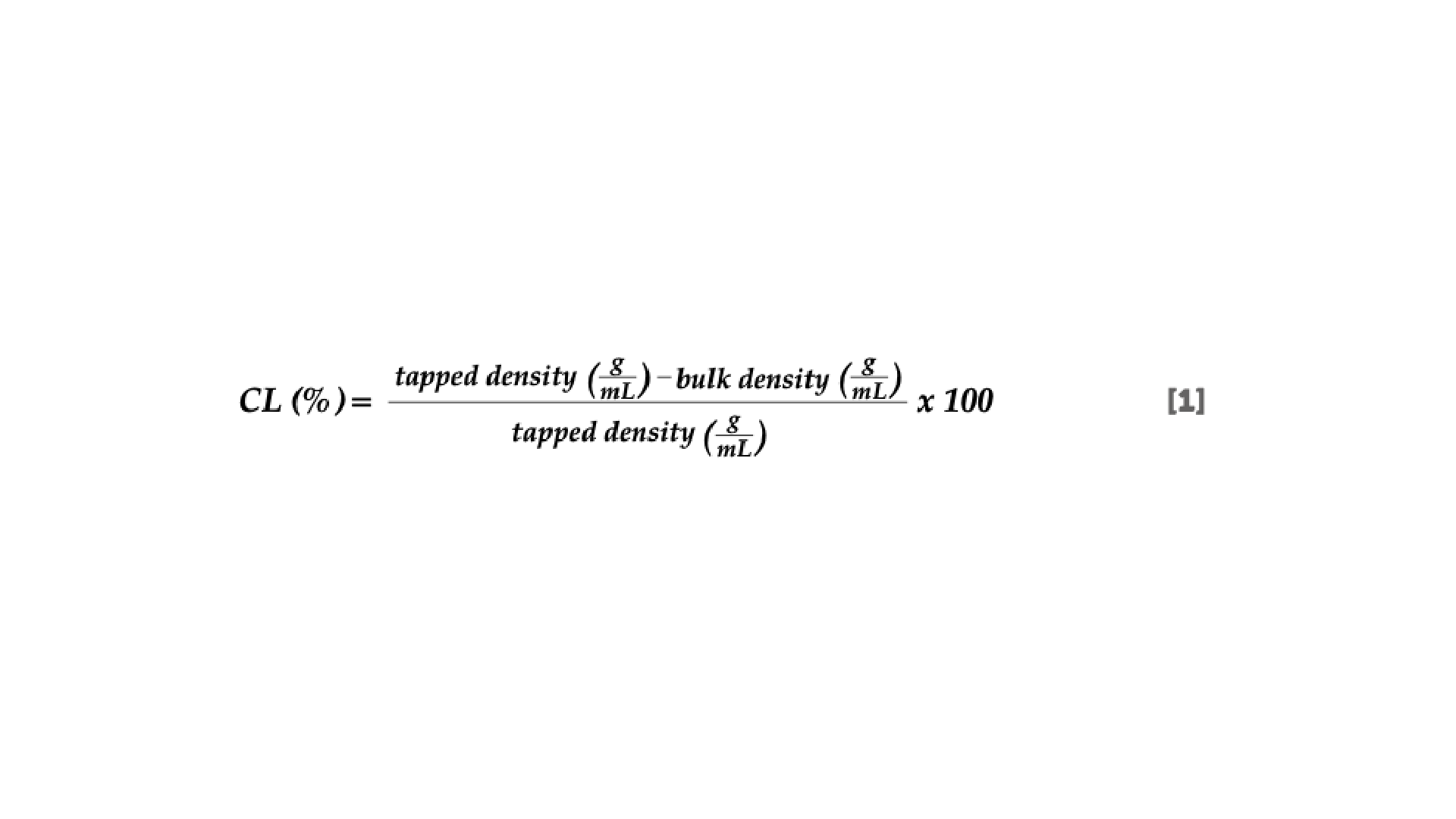
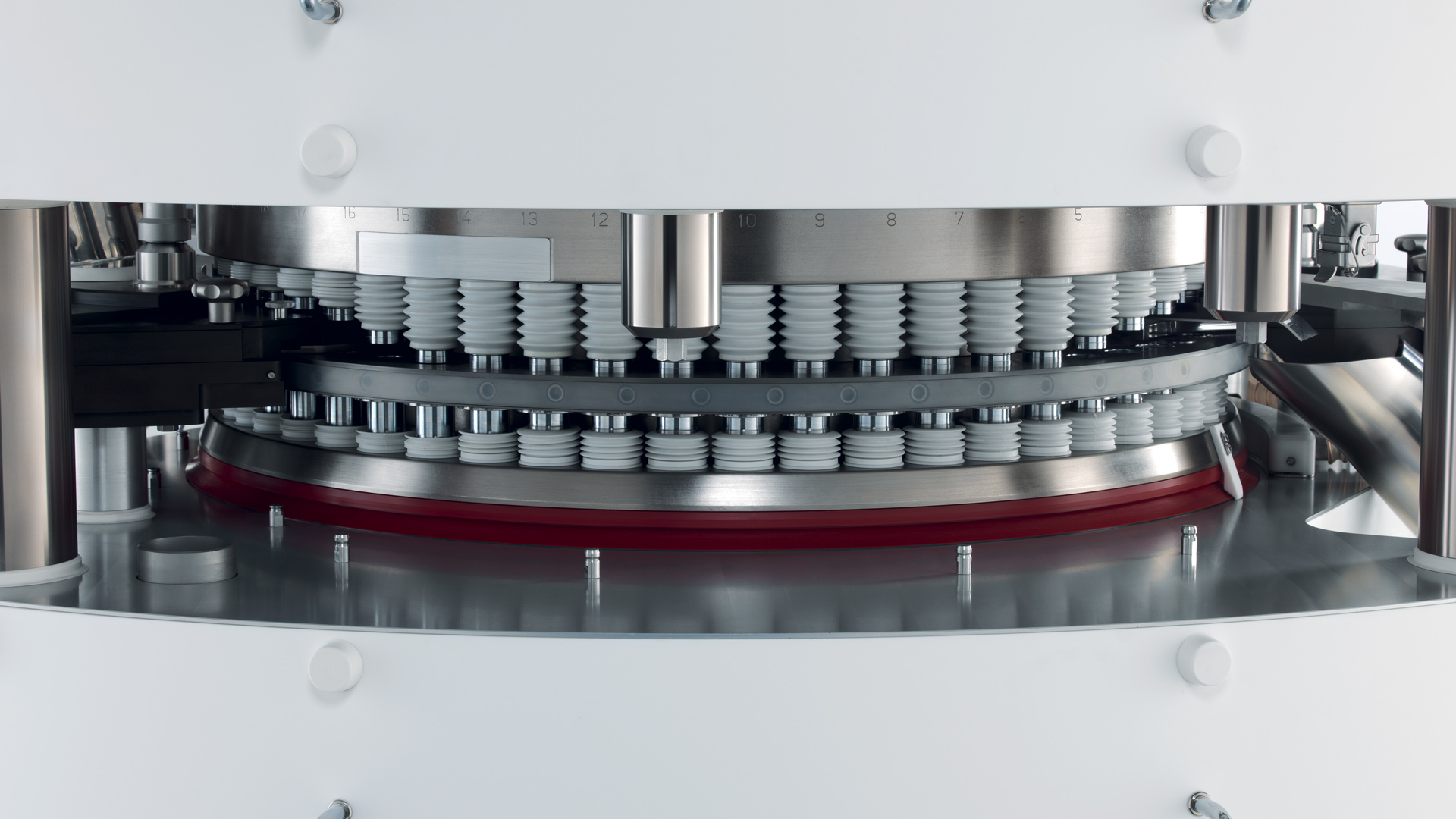
on a tumble blender (CYCLOPS LAB, IMA, Italy) and tableting on a rotary tablet press (PREXIMA 80, IMA, Italy). In detail, concerning the blending, by means of the geometric dilution method, each compound except the lubricant was mixed for 15 minutes at 20 rpm. Lubricant was added at the end of the blending and mixed for 3 minutes at 20 rpm. Before starting compression trials, the final blend was characterised in terms of flowability (Carr Index), particle size distribution (PSD) and water content (LOD). The Carr Index (CI) evaluates the flow type of the blend by considering its bulk and tapped density (Equation 1).
Bulk density is defined as the mass of the many particles of the material divided by the total volume they occupy; the tapped density is the ratio of the mass of the powder to the volume occupied by the powder after it has been tapped for a defined period of time.
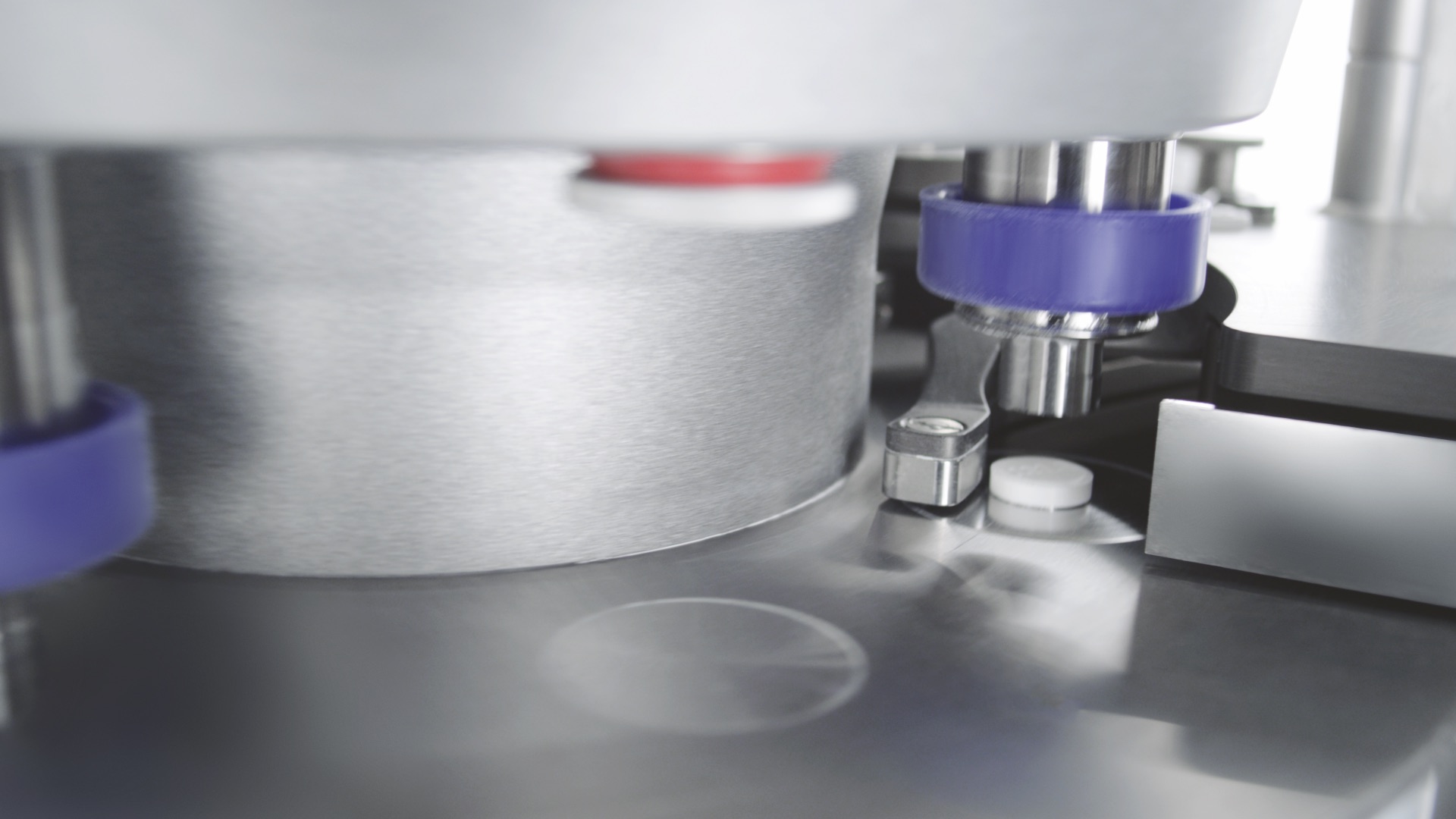
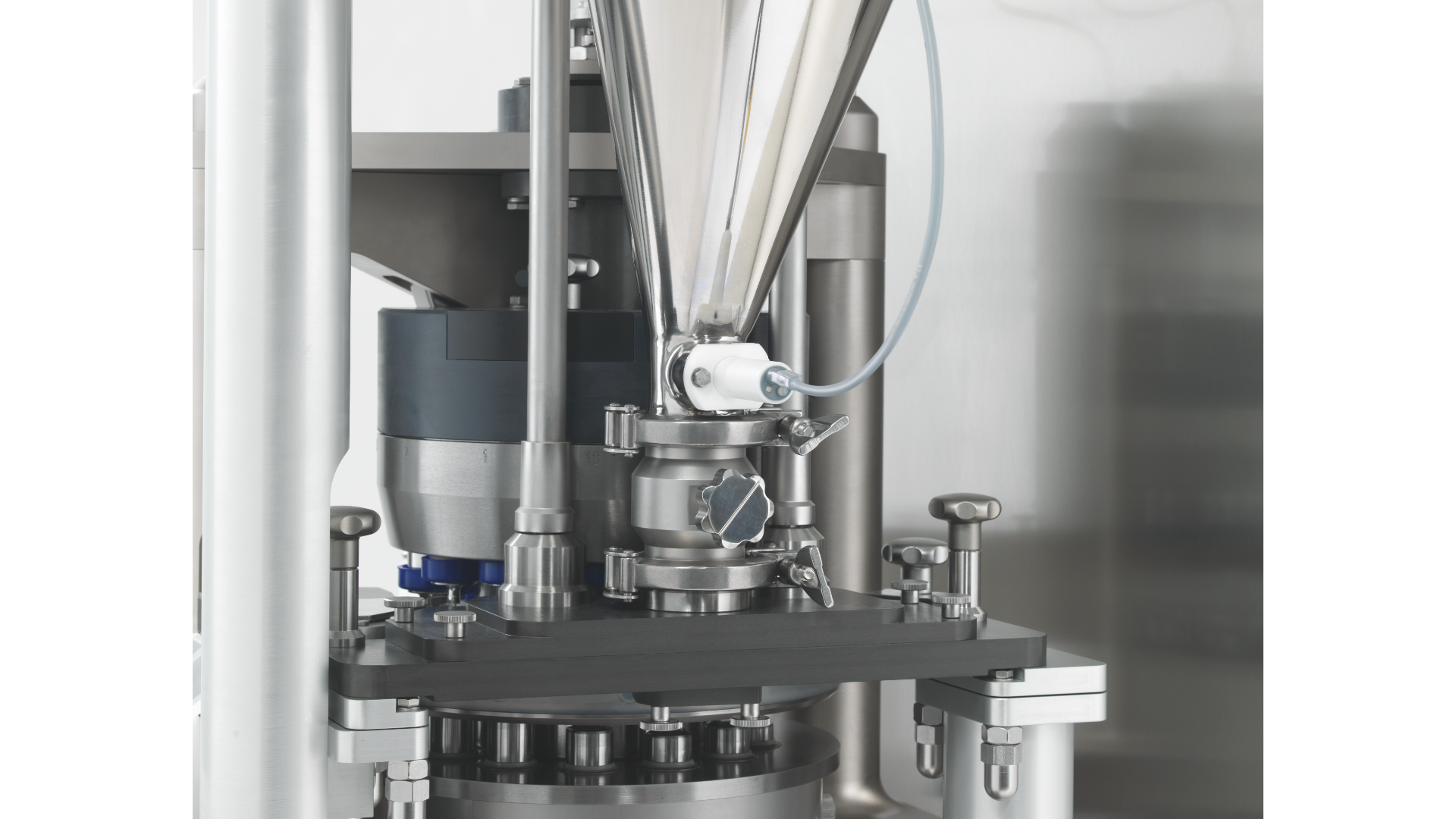
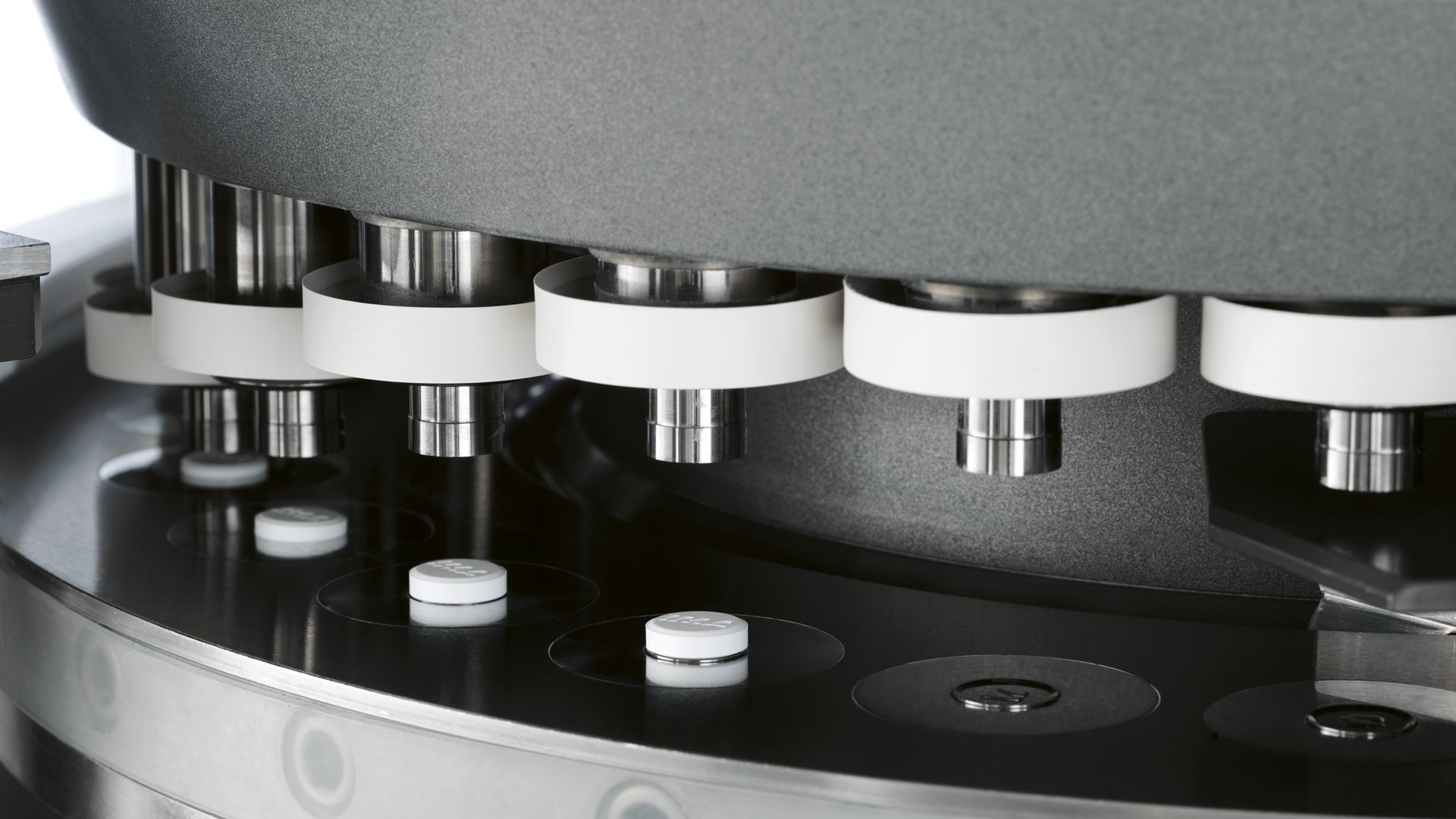
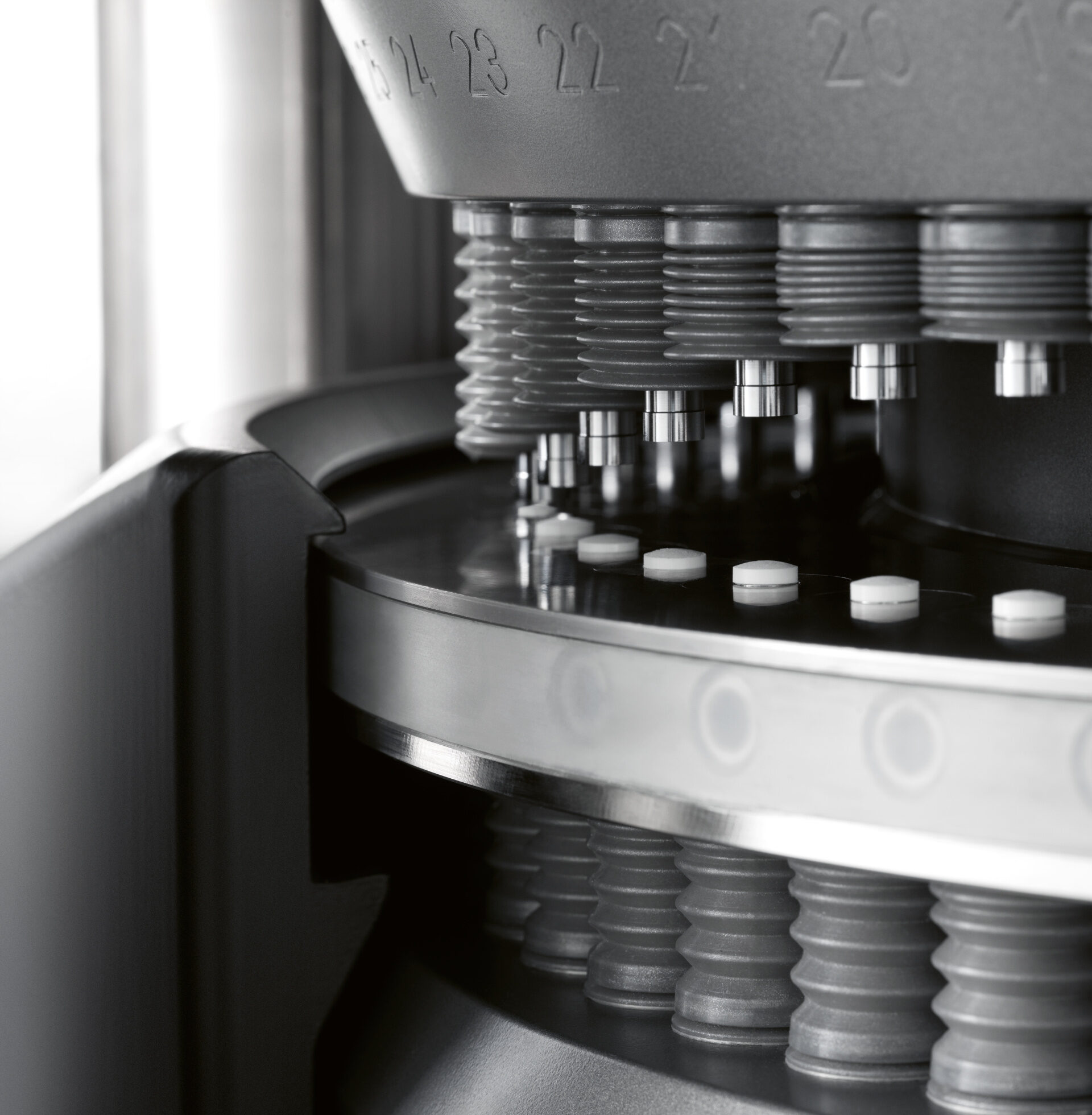
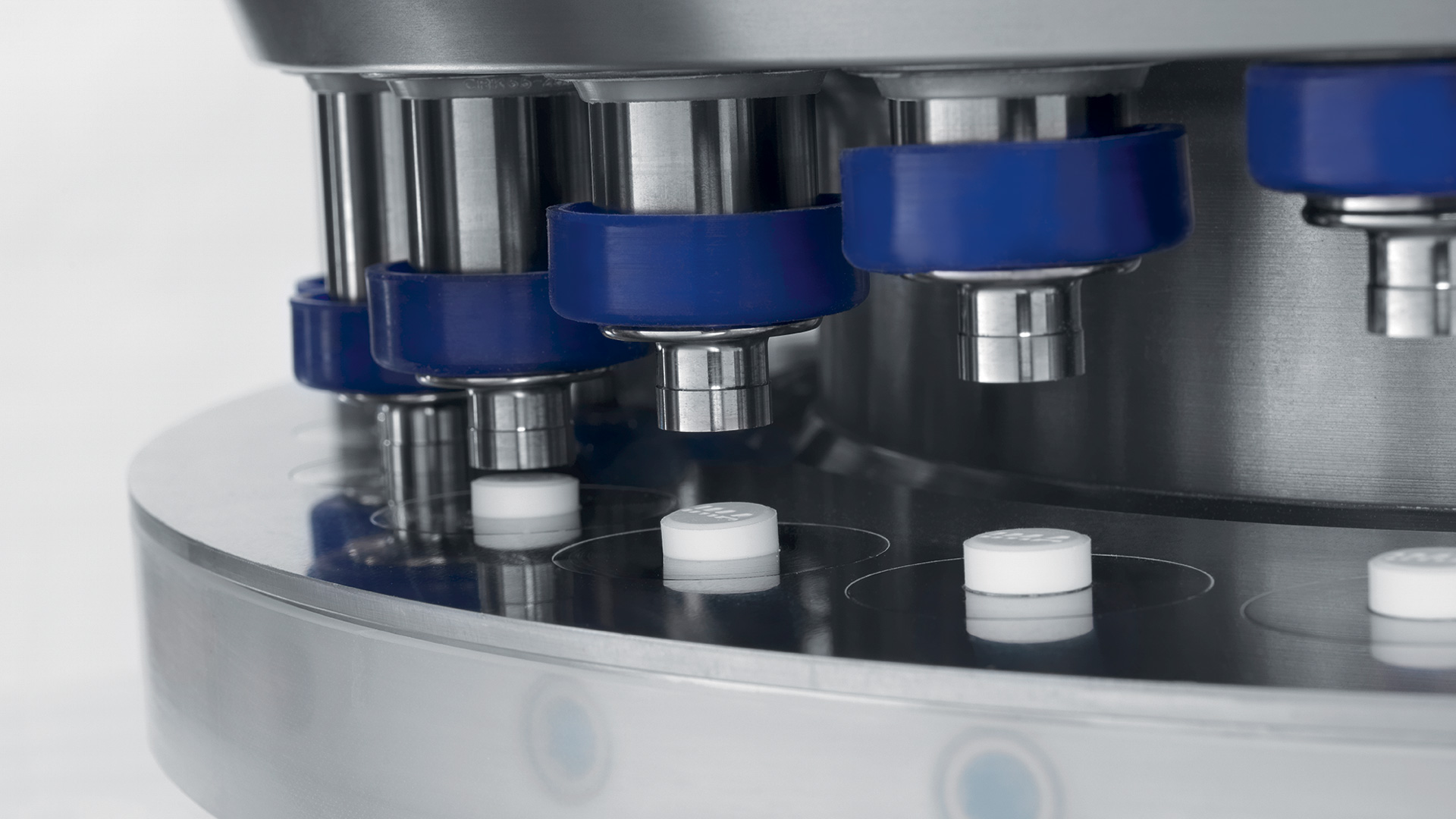
PSD is calculated using sieves methods by allowing 100 g of powder to pass through a series of sieves of progressively smaller mesh size and weighing the amount of the powder that is stopped by each sieve as a fraction of the whole mass after a shaking action lasting 5 minutes. Water content can be determined by measuring loss on drying (L.O.D.): L.O.D. is a percentage obtained through thermogravimetric analysis where the sample is heated until the weight loss is constant. PREXIMA 80 was set up with a pilot-batch configuration: it featured a mixed turret hosting both 4 Euro-D and 4 Euro-B punch stations. The flexibility of this turret made it possible to study the influence of the punch type installed on the tablet press.
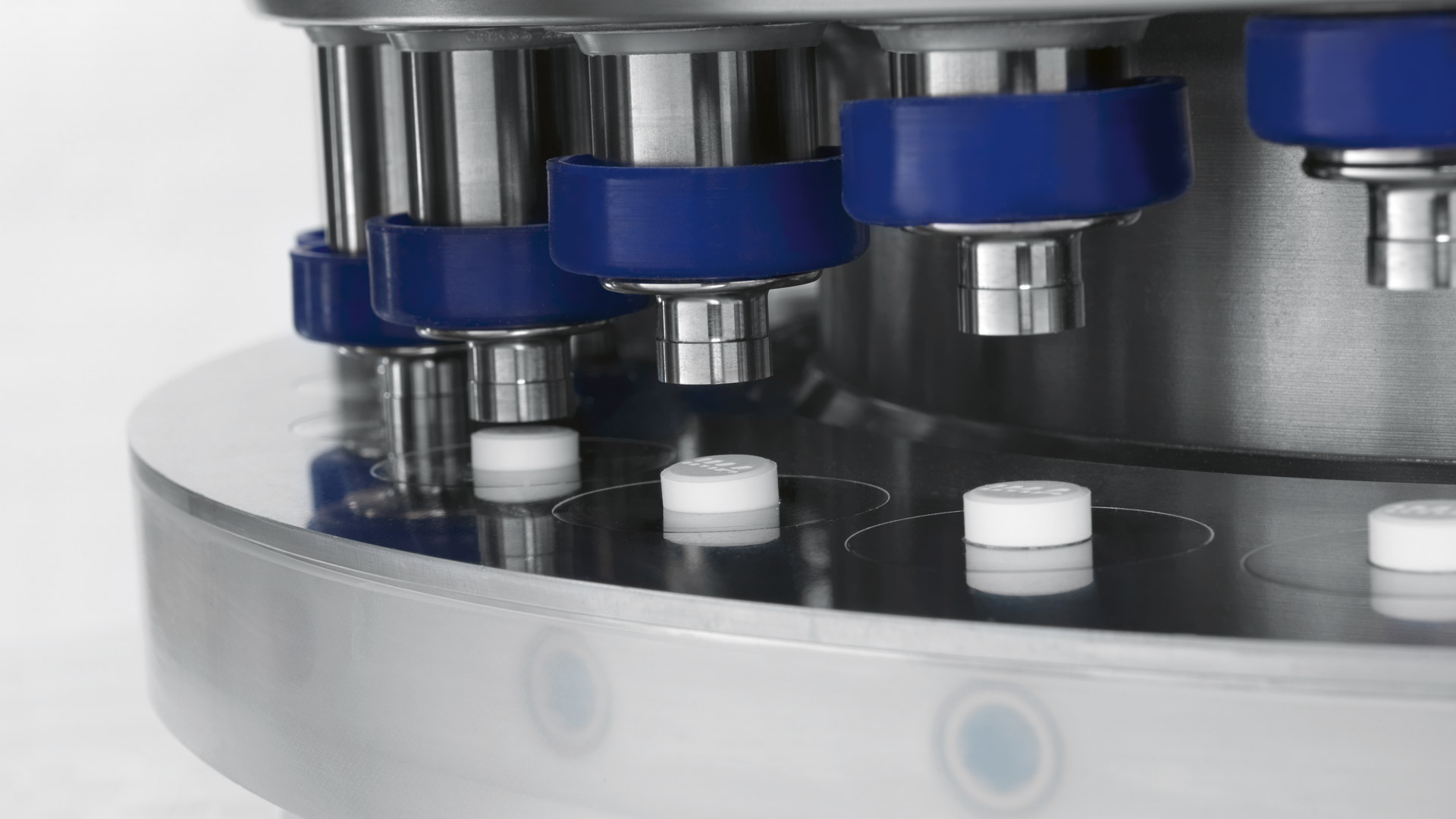
During trials, Ø 7.4 mm Euro-B round punches were chosen with standard configuration in terms of feeder and paddle geometry. In a first step, during speed-up of the rotary tablet press, the most critical process parameters were kept steady, the aim being to manufacture tablets with the lowest weight fluctuation (Relative Standard Deviation on single weight <5%), hard enough to be handled (acceptable tablet strength) and with a proper disaggregation time when placed in contact with water (30”). To achieve the goal, three different tablet press speeds (15, 50 and 60 rpm) were investigated. At 60 rpm, tableting process parameters were optimised to improve tablet quality.
Results and discussion
The defined blend of powders was characterised in terms of flowability (Carr Index), PSD and water content. CI was 28% meaning that the blend was characterised by a very poor flowability and the water content was 6.79%; PSD had a bimodal trend with a high percentage of fine particle size (Graph 1). Three different tablet press speeds (15, 50 and 60 rpm) were investigated. Most important tableting process parameters are reported in Table 2: at 60 rpm (test 4, trial 3) slightly higher pre-compression and main compression forces were needed in order to obtain the same quality tablets.
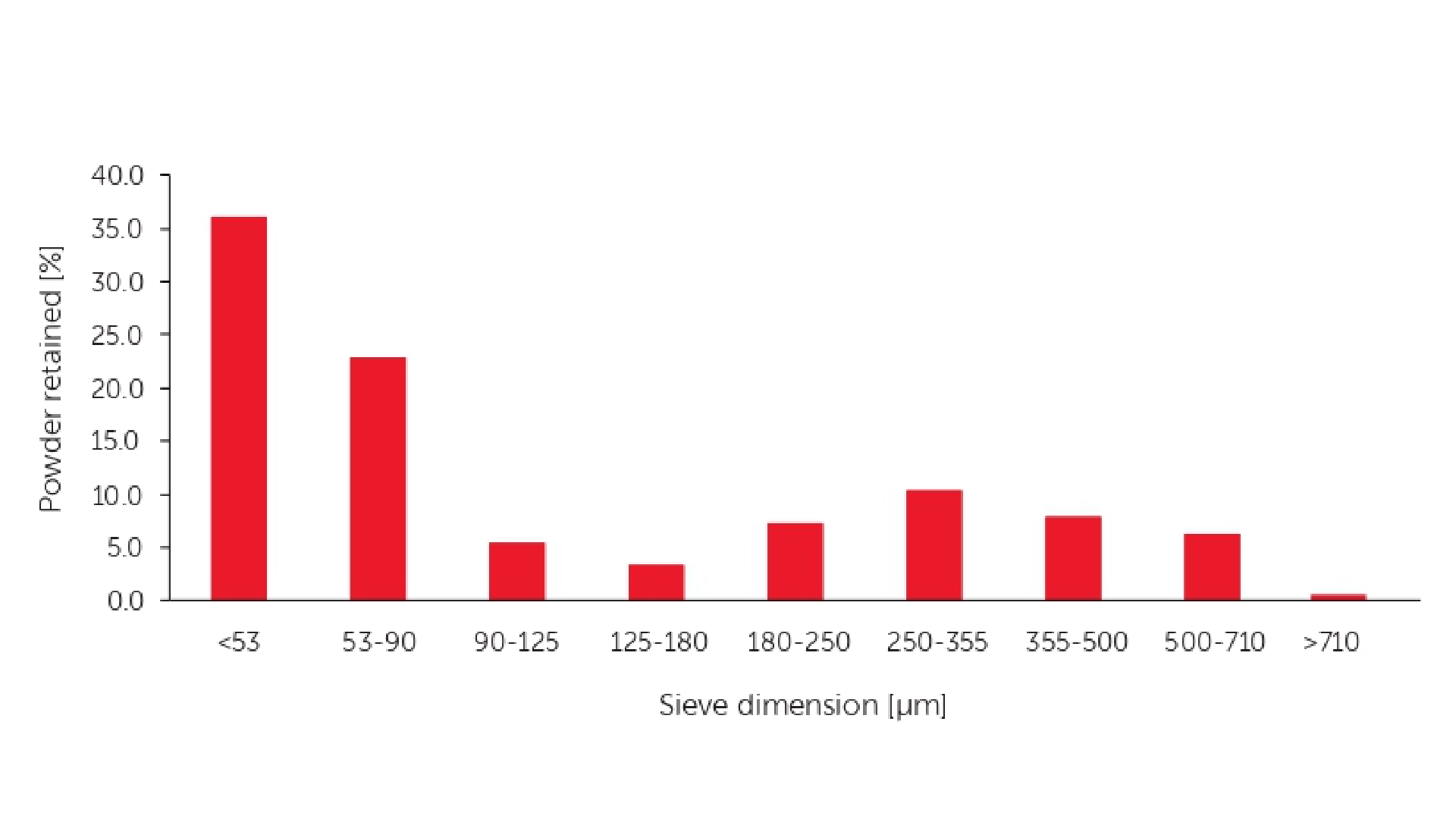
Table 2: tablet press process parameters. | |||||
| Tablet press process parameters | M.U | Values | |||
| Test | 1 | 2 | 3 | 4 | |
| Paddle speed | rpm | 15 | 15 | 15 | 15 |
| Pre-compression force | kN | 2.7 | 2.7 | 2.7 | 3.2 |
| Deviation | % | 2.1 | 1.2 | 2.2 | 2 |
| Compression force | kN | 14 | 13.9 | 13.3 | 17.2 |
| Deviation | % | 2.9 | 2.9 | 3.3 | 2.4 |
| Turret speed | rpm | 15 | 50 | 60 | 60 |
| Production speed | tph | 3,600 | 12,000 | 14,400 | 14,400 |
During each trial, the weight and the strength of the tablets were monitored (Graph 2, Graph 3). Graph 2 and Graph 3 show a very low variation of the tablet weight and strength over time compared to the first sample produced during preliminary trials (blue line). As expected, as tablet press speed increases, hardness decreases according to the reduced contact time between the flat punch head and compression rolls. However, results (orange lines) are accentuated compared to preliminary trials (blue line). To substantiate this statement of process stability, weight, thickness and hardness relative standard deviations were investigated (Table 3); preliminary results obtained by a single-punch tablet press were compared with the industrial scale-up. Results clearly demonstrate the degree of process optimisation achieved using PREXIMA 80.
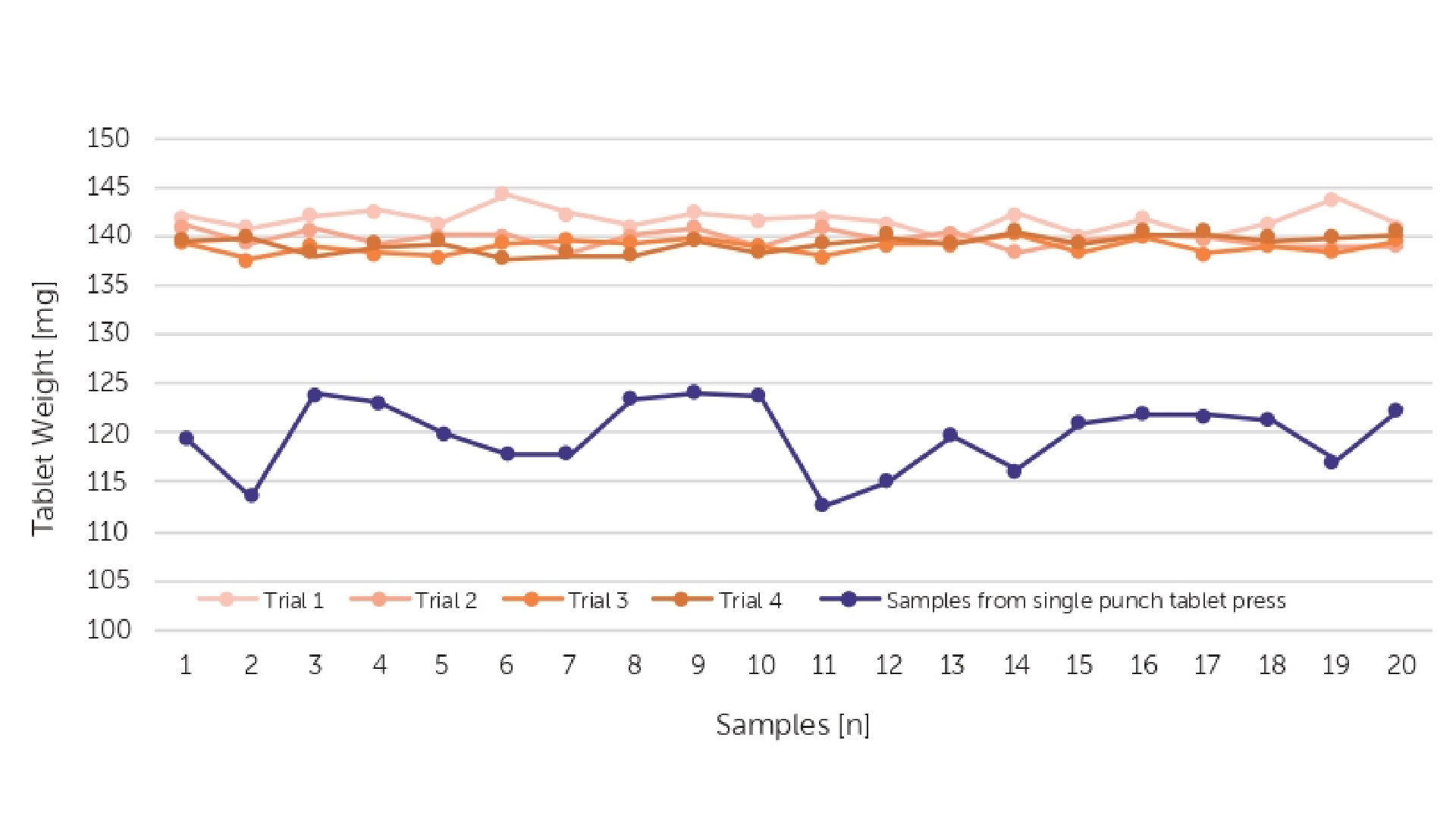
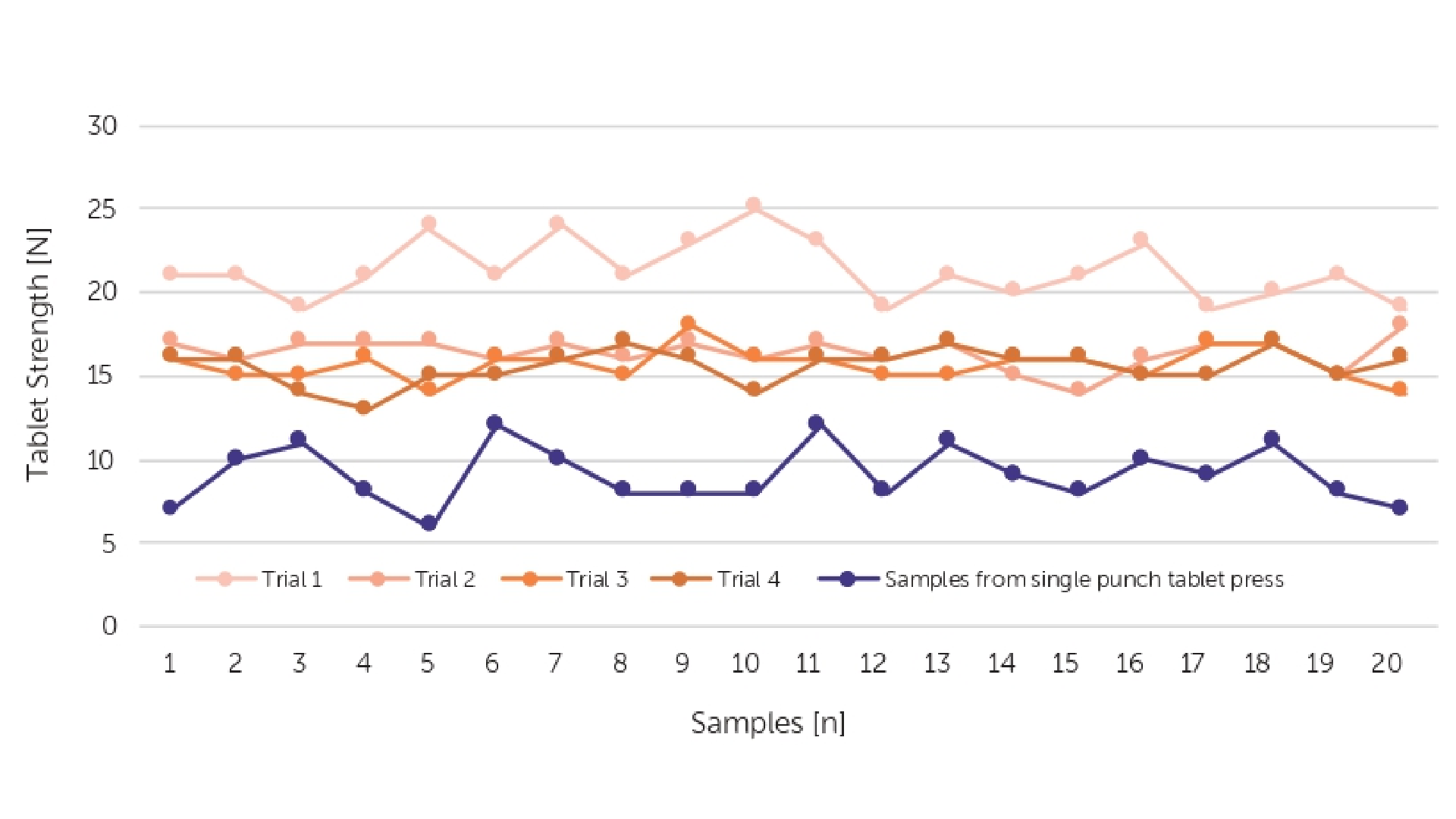
Table 3: tablet features RSD comparison | |||||
| Parametres | RSD(%) | ||||
| Preliminary Samples | Trial 1 | Trial 2 | Trial 3 | Trial 3A | |
| Weight | 2.88 | 0.79 | 0.58 | 0.54 | 0.61 |
| Thickness | 2.52 | 0.50 | 0.89 | 0.80 | 0.74 |
| Hardness | 18.65 | 8.28 | 5.59 | 6.15 | 6.58 |
Conclusions
PREXIMA 80 is able to manufacture cosmetic tablets which create an unexpected gel-cream texture in less than 30 seconds upon contact with a few drops of water, creating the right amount of product for single-time use; the weight, thickness and hardness stabilities were improved compared to the single-punch tablet press; moreover, productivity increased four times.
Tableting
Up to 1,260,000 tabs/h
IMA S.p.A. – Active Division
References
[1] https://natrue.org/water-in-cosmetics-a-dive-into-water-free-beauty/
[2] Webb B., Will solid beauty go mainstream?, “Vogue Business”, July 22, 2021.
[3] https://ima.it/it/ima-digital/
5 min
Brands: IMA Active, IMA S.p.A. – Active Division, IMA S.p.A. – Automation Division Bologna
White paper
Effervescent tablet processing and packaging: why integrated lines are shaping the future.
6 min
Brands: IMA S.p.A. – Active Division, IMA Active
6 min
Brands: IMA Active, IMA S.p.A. – Active Division
11 min
Brands: IMA Active, IMA S.p.A. – Active Division
White paper
ARCA: AI Root Cause Analysis.
8 min
Brands: IMA Active, IMA S.p.A. – Active Division
5 min
Brands: IMA Active, IMA S.p.A. – Active Division
Case study
AMIX Nutrition and IMA Active: technological evolution supporting next generation sports nutrition.
5 min
Brands: IMA Active, IMA S.p.A. – Active Division
6 min
Brands: IMA Active, IMA S.p.A. – Active Division
13 min
Brands: IMA S.p.A. – Active Division, IMA Active
White paper
Sustainability benefits of Near-Infrared (NIR) integrated powder blending in pharmaceutical manufacturing.
7 min
Brands: IMA Active, IMA S.p.A. – Active Division
5 min
Brands: IMA S.p.A. – Active Division, IMA Active
7 min
Brands: IMA S.p.A. – Active Division, IMA Active
7 min
Brands: IMA Active, IMA S.p.A. – Active Division
6 min
Brands: IMA S.p.A. – Active Division, IMA Active
12 min
Brands: IMA S.p.A. – Active Division
11 min
Brands: IMA Active, IMA S.p.A. – Active Division
8 min
Brands: IMA Active, IMA S.p.A. – Active Division
11 min
Brands: IMA Active, IMA S.p.A. – Active Division
Case study
Vitabalans Oy chooses PREXIMA.
4 min
Brands: IMA Active, IMA S.p.A. – Active Division
34 min
Brands: IMA North America Inc. – Thomas Division
16 min
Brands: IMA S.p.A. – Active Division, IMA Active
12 min
Brands: IMA S.p.A. – Active Division, IMA Active
9 min
Brands: IMA S.p.A. – Active Division, IMA Active
25 min
Brands: IMA S.p.A. – Active Division, IMA Active
20 min
Brands: IMA S.p.A. – Active Division, IMA Active
20 min
Brands: IMA S.p.A. – Active Division, IMA Active
White paper
The Energy Diary: powering sustainability.
6 min
Brands: IMA Active, IMA S.p.A. – Active Division
10 min
Brands: IMA Active, IMA S.p.A. – Active Division
4 min
Brands: IMA Active, IMA North America Inc. – Thomas Division, IMA S.p.A. – Active Division
12 min
Brands: IMA Active, IMA S.p.A. – Active Division
8 min
Brands: IMA Life, IMA S.p.A. – Life Division Bologna
8 min
Brands: IMA S.p.A. – Active Division, IMA Active
10 min
Brands: IMA S.p.A. – Active Division, IMA Active
10 min
Brands: IMA Active, IMA S.p.A. – Active Division
14 min
Brands: IMA Active, IMA S.p.A. – Active Division
9 min
Brands: IMA Life, IMA S.p.A. – Life Division Bologna
6 min
Brands: IMA S.p.A. – Active Division, IMA Active
11 min
Brands: IMA S.p.A. – Active Division, IMA Active
6 min
Brands: IMA S.p.A. – Active Division, IMA Active
14 min
Brands: IMA S.p.A. – Active Division, IMA Active
15 min
Brands: IMA S.p.A. – Active Division, IMA Active
10 min
Brands: IMA S.p.A. – Active Division, IMA Active
17 min
Brands: IMA S.p.A. – Active Division, IMA Active
5 min
Brands: IMA Active, IMA S.p.A. – Active Division
12 min
Brands: IMA S.p.A. – Active Division, IMA Active
13 min
Brands: IMA Active, IMA S.p.A. – Active Division
11 min
Brands: IMA Active, IMA S.p.A. – Active Division
6 min
Brands: IMA S.p.A. – Life Division Bologna, IMA Life
White paper
The success of freeze-drying.
18 min
Brands: IMA S.p.A. – Life Division Bologna, IMA Life North America Inc.
10 min
Brands: IMA S.p.A. – Life Division Bologna
6 min
Brands: IMA Life, IMA S.p.A. – Life Division Bologna
11 min
Brands: IMA Active, IMA S.p.A. – Active Division
White paper
Influence of material and capsule filling process with Minima on aerosolization performances by DPIs.
12 min
Brands: IMA Active, IMA S.p.A. – Active Division
10 min
Brands: IMA Active, IMA S.p.A. – Active Division
6 min
Brands: IMA S.p.A. – Active Division, IMA Active
Case study
Algorithm: «Why we choose IMA».
3 min
Brands: IMA Active, IMA S.p.A. – Active Division
Case study
Tablets: the importance of uniform coating.
6 min
Brands: IMA Active, IMA S.p.A. – Active Division
White paper
IMA Life approach to No-Touch Transfer (NTT) of pre-sterilised Ready-To-Use (RTU) containers.
8 min
Brands: IMA Life, IMA S.p.A. – Life Division Bologna
42 min
Brands: IMA Life, IMA S.p.A. – Life Division Bologna
Case study
Quality by design cycle optimisation and equipment capability determination for vaccine placebo.
4 min
Brands: IMA Life, IMA S.p.A. – Life Division Bologna
4 min
Brands: IMA Life, IMA S.p.A. – Life Division Bologna
Case study
Supporting Merck toward a new age of aseptic fill-finish processing of highly potent drugs.

5 min
Brands: IMA Life, IMA S.p.A. – Life Division Bologna
White paper
IMA Active drives forward the successful uptake of Continuous Manufacturing in the pharmaceutical industry.
7 min
Brands: IMA Active, IMA S.p.A. – Active Division
White paper
An overview of design space construction.

3 min
Brands: IMA Life, IMA S.p.A. – Life Division Bologna
18 min
Brands: IMA S.p.A. – Active Division, IMA Active
18 min
Brands: IMA Active, IMA S.p.A. – Active Division
4 min
Brands: IMA Life, IMA S.p.A. – Life Division Bologna
30 min
Brands: IMA Active, IMA S.p.A. – Active Division

3 min
Brands: IMA Life, IMA S.p.A. – Life Division Bologna

12 min
Brands: IMA Life, IMA S.p.A. – Life Division Bologna
7 min
Brands: IMA S.p.A. – Active Division, IMA Active

6 min
Brands: IMA Life, IMA S.p.A. – Life Division Bologna
4 min
Brands: IMA S.p.A. – Active Division, IMA Active
Case study
Mastering tablet manufacturing: how segment tools improve productivity, efficiency and consistency.
7 min
Brands: IMA Active, IMA S.p.A. – Active Division
14 min
Brands: IMA Life, IMA S.p.A. – Life Division Bologna
34 min
Brands: IMA Active, IMA S.p.A. – Active Division

7 min
Brands: IMA Life, IMA S.p.A. – Life Division Bologna
8 min
Brands: IMA Active, IMA S.p.A. – Active Division
2 min
Brands: IMA Active, IMA S.p.A. – Active Division
11 min
Brands: IMA Active, IMA S.p.A. – Active Division
5 min
Brands: IMA Life, IMA S.p.A. – Life Division Bologna
4 min
Brands: IMA Life
White paper
Comparison of minitablets and pellets as multiparticulate drug delivery systems for controlled drug release.
24 min
Brands: IMA Active, IMA S.p.A. – Active Division
Case study
Lubricant sensitivity of direct compression grades of lactose in continuous batch tableting process.
33 min
Brands: IMA Active, IMA S.p.A. – Active Division
4 min
Brands: IMA Active, IMA S.p.A. – Active Division
5 min
Brands: IMA Active, IMA S.p.A. – Active Division

7 min
Brands: IMA Life
5 min
Brands: IMA Active, IMA S.p.A. – Active Division
5 min
Brands: IMA Active, IMA S.p.A. – Active Division
9 min
Brands: IMA Active, IMA S.p.A. – Active Division
White paper
Component washing: better with less.
7 min
Brands: IMA Active, IMA S.p.A. – Active Division
Case study
IsoTech Lab-Tech Blog

15 min
Brands: IMA Life, IMA S.p.A. – Life Division Bologna
4 min
Brands: IMA Active, IMA S.p.A. – Active Division
White paper
New solutions for nutraceuticals.
5 min
Brands: IMA Active, IMA S.p.A. – Active Division
37 min
Brands: IMA Active, IMA S.p.A. – Active Division
17 min
Brands: IMA Active, IMA S.p.A. – Active Division
7 min
Brands: IMA Active, IMA S.p.A. – Active Division
4 min
Brands: IMA Life, IMA S.p.A. – Life Division Bologna
Case study
The All-In-One concept in action

6 min
8 min
Brands: IMA Active, IMA S.p.A. – Active Division
14 min
Brands: IMA Active, IMA S.p.A. – Active Division
7 min
Brands: IMA Active, IMA S.p.A. – Active Division
Case study
Food supplement revolution.
4 min
Brands: IMA Active, IMA S.p.A. – Active Division
White paper
CROMA continuous coater: saving energy and process time by using high solids coating material.
6 min
Brands: IMA Active, IMA S.p.A. – Active Division
7 min
Brands: IMA Active, IMA S.p.A. – Active Division
6 min
Brands: IMA Active, IMA S.p.A. – Active Division
Case study
Application of acrylic enteric coating directly on soft gelatine capsules using a GS coating pan.
5 min
Brands: IMA Active, IMA S.p.A. – Active Division

1 min
8 min
Brands: IMA S.p.A. – Active Division, IMA Active
5 min
Brands: IMA Active, IMA S.p.A. – Active Division
11 min
Brands: IMA Active, IMA S.p.A. – Active Division

8 min
Brands: IMA Life Japan KK, IMA Life, IMA S.p.A. – Life Division Bologna
11 min
Brands: IMA Active, IMA S.p.A. – Active Division
8 min
Brands: IMA Active, IMA S.p.A. – Active Division
6 min
Brands: IMA Active, IMA S.p.A. – Active Division

11 min
Brands: IMA Life, IMA S.p.A. – Life Division Bologna

9 min
Brands: IMA Life, IMA S.p.A. – Life Division Bologna
5 min
Brands: IMA Active, IMA S.p.A. – Active Division
White paper
Formulating tablets layer by layer.
10 min
Brands: IMA Active, IMA S.p.A. – Active Division

8 min
Brands: IMA Active, IMA S.p.A. – Active Division

11 min
Brands: IMA S.p.A. – Life Division Bologna
Case study
Formulation development of Vitamin C based effervescent blend suitable for direct compression.
8 min
Brands: IMA Active, IMA S.p.A. – Active Division
6 min
Brands: IMA Life, IMA S.p.A. – Life Division Bologna
9 min
Brands: IMA Active, IMA S.p.A. – Active Division

6 min
Brands: IMA Life, IMA S.p.A. – Life Division Bologna
7 min
Brands: IMA Active, IMA S.p.A. – Active Division
7 min
Brands: IMA Active, IMA S.p.A. – Active Division
Case study
Extrusion-Molding-Coating process advantages for Continuous Manufacturing of oral solid dosage forms
12 min
Brands: IMA Active, IMA S.p.A. – Active Division
6 min
Brands: IMA Active, IMA S.p.A. – Active Division

7 min
Brands: IMA Life
7 min
Brands: IMA Active, IMA S.p.A. – Active Division
13 min
Brands: IMA Active, IMA S.p.A. – Active Division
White paper
Autoregulation function on DOMINA tablet press.
6 min
Brands: IMA Active, IMA S.p.A. – Active Division
White paper
The potential of CROMA continuous coater.
9 min
Brands: IMA Active, IMA S.p.A. – Active Division
Case study
IMA Coffee partners with Smile Beverage Werks to produce new, sustainable single-serve capsules
7 min
Brands: IMA S.p.A. – Coffee Division, IMA Active, IMA S.p.A. – Active Division
10 min
Brands: IMA Life, IMA S.p.A. – Life Division Bologna
Case study
Navigating the COVID pandemic using Augmented Reality to aid in Pharmaceutical Manufacturing.

11 min
Brands: IMA Life, IMA S.p.A. – Life Division Bologna
White paper
Perfima Extra: your way to boost productivity keeping process quality at the highest standard.
4 min
Brands: IMA Active, IMA S.p.A. – Active Division
Case study
IMA and OSIsoft: setting the standard in tablet press process data to accelerate production set-up.

4 min
Brands: IMA S.p.A. – Active Division, IMA Active
9 min
Brands: IMA S.p.A. – Active Division, IMA Active
10 min
Brands: IMA Active, IMA S.p.A. – Active Division
7 min
Brands: IMA Active, IMA S.p.A. – Active Division
5 min
Brands: IMA Active, IMA S.p.A. – Active Division
10 min
Brands: IMA Active, IMA S.p.A. – Active Division

4 min
Brands: IMA Safe, Highly Accurate Tablet Counter Seals Wasdell Deal for IMA Swiftpack

6 min
Brands: IMA Life, IMA S.p.A. – Life Division Bologna
Case study
Machinability of PVC-free blister packaging

1 min
Brands: IMA S.p.A. – Safe Division, IMA Safe
Case study
Power to the essential.
6 min
Brands: IMA Active, IMA S.p.A. – Active Division
6 min
Brands: IMA Active, IMA S.p.A. – Active Division
7 min
Brands: IMA Active, IMA S.p.A. – Active Division
5 min
Brands: IMA Active, IMA S.p.A. – Active Division
Case study
Much more than nutraceuticals.
6 min
Brands: IMA Active, IMA S.p.A. – Active Division
5 min
Brands: IMA Active, IMA S.p.A. – Active Division
White paper
Preliminary results of predictive maintenance algorithms on a tablet press production machine.
7 min
Brands: IMA Active, IMA S.p.A. – Active Division
White paper
The Prexima challenge. Comparison of rotary tablet presses seminar in Leverkusen (Germany).
8 min
Brands: IMA Active, IMA S.p.A. – Active Division
6 min
Brands: IMA Active, IMA S.p.A. – Active Division
Case study
Directly compressed minitablets coated in a solid wall pan for the sustained release of drugs.
6 min
Brands: IMA Active, IMA S.p.A. – Active Division
5 min
Brands: IMA Active, IMA S.p.A. – Active Division
7 min
Brands: IMA Active, IMA S.p.A. – Active Division
Case study
ARIA fluid bed granulator and MicroNIR
8 min
Brands: IMA Active, IMA S.p.A. – Active Division
Case study
CYCLOPS. Blending made by IMA.
5 min
Brands: IMA Active, IMA S.p.A. – Active Division
8 min
Brands: IMA Active, IMA S.p.A. – Active Division
7 min
Brands: IMA Active, IMA S.p.A. – Active Division
Case study
The IMA Group integrates OMAC PackML and invests in the future of machine connection and control.
8 min
Brands: IMA Active, IMA S.p.A. – Active Division
White paper
Informed Manufacturing through Big Data Analytics of Freeze Drying Process and Equipment

5 min
Brands: IMA Life, IMA S.p.A. – Life Division Bologna

5 min
Brands: IMA Life, IMA S.p.A. – Life Division Bologna

5 min
Brands: IMA Life, IMA S.p.A. – Life Division Bologna
White paper
Freeze-Drying Process Optimization.

12 min
Brands: IMA Life, IMA S.p.A. – Life Division Bologna
7 min
Brands: IMA Active, IMA S.p.A. – Active Division
White paper
Increasing vial to vial homogeneity: an analysis of KRYOSEQ® nucleation on production scale freeze dryers.

13 min
Brands: IMA Life, IMA S.p.A. – Life Division Bologna
White paper
How to perform a good scale-up.
6 min
Brands: IMA S.p.A. – Active Division, IMA Active
5 min
Brands: IMA Active, IMA S.p.A. – Active Division
27 min
Brands: IMA Active, IMA S.p.A. – Active Division
Case study
Drug layering: the impact of up-scaling.
5 min
Brands: IMA Active, IMA S.p.A. – Active Division

12 min
Brands: IMA Life, IMA S.p.A. – Life Division Bologna
5 min
Brands: IMA Active, IMA S.p.A. – Active Division
10 min
Brands: IMA Active, IMA S.p.A. – Active Division
15 min
Brands: IMA Active, IMA S.p.A. – Active Division
Case study
Scaling up a film coating process.
7 min
Brands: IMA Active, IMA S.p.A. – Active Division
White paper
Manufacturing DPIs: an engineering perspective
8 min
Brands: IMA Active, IMA S.p.A. – Active Division
White paper
Salty compression.
5 min
Brands: IMA Active, IMA S.p.A. – Active Division
5 min
Brands: IMA Active, IMA S.p.A. – Active Division
4 min
Brands: IMA Active, IMA S.p.A. – Active Division

11 min
Brands: IMA Life

7 min
Brands: IMA Life, IMA S.p.A. – Life Division Bologna

9 min
Brands: IMA Life, IMA S.p.A. – Life Division Bologna
6 min
Brands: IMA Active, IMA S.p.A. – Active Division
7 min
Brands: IMA Active, IMA S.p.A. – Active Division
Case study
Trusting the Italian One-Stop-Shop-Strategy – From 0 to 336,000 blister-per-hour capacity

6 min
Brands: IMA Safe
Case study
High Containment in OSD
7 min
Brands: IMA Active, IMA Safe, IMA S.p.A. – Safe Division, IMA S.p.A. – Active Division
Case study
Injecta. The Queen of Quality

5 min
Brands: IMA Life, IMA S.p.A. – Life Division Bologna
8 min
Brands: IMA Life, IMA S.p.A. – Life Division Bologna
White paper
FUSION™ & FUSION PLUS™

4 min
Brands: IMA Life, IMA S.p.A. – Life Division Bologna
Case study
Labelling & Serialization Integration

10 min
Brands: IMA Life
6 min
Brands: IMA Active, IMA S.p.A. – Active Division
9 min
Brands: IMA Active
Case study
Tableting at its best.
5 min
Brands: IMA Active, IMA S.p.A. – Active Division
3 min
Brands: IMA Active, IMA S.p.A. – Active Division
7 min
Brands: IMA Active, IMA S.p.A. – Active Division
Case study
GlaxoSmithKline chooses PERFIMA.
5 min
Brands: IMA Active, IMA S.p.A. – Active Division
Case study
Design ad Hoc. Delpharm chose EFFECTA.
5 min
Brands: IMA Active, IMA S.p.A. – Active Division
Case study
Together again: Chinoin chooses IMA.
4 min
Brands: IMA Active, IMA S.p.A. – Active Division
4 min
Brands: IMA Active, IMA S.p.A. – Active Division
8 min
Brands: IMA Active, IMA S.p.A. – Active Division
7 min
Brands: IMA Active, IMA S.p.A. – Active Division
6 min
Brands: IMA Active, IMA S.p.A. – Active Division
7 min
Brands: IMA Active, IMA S.p.A. – Active Division
Case study
BMP: «PREXIMA fits all our needs».
4 min
Brands: IMA Active, IMA S.p.A. – Active Division
Case study
Fine Foods: «Why we choose IMA».
5 min
Brands: IMA Active, IMA S.p.A. – Active Division
5 min
Brands: IMA Active, IMA S.p.A. – Active Division
6 min
Brands: IMA Active, IMA S.p.A. – Active Division
Case study
Leading the way in micro-dosing DPIs.
6 min
Brands: IMA Active, IMA S.p.A. – Active Division