White paper
Digital energy monitoring for sustainable tableting processes.
-
Reading time 5 min
-
A study by

Introduction
The pharmaceutical tableting process represents one of the most critical and complex unit operations in solid dosage manufacturing, where mechanical, material and process variables converge to determine both product quality and process efficiency. Traditionally, the performance of tablet compression has been evaluated through conventional indicators such as output capacity, weight uniformity, mechanical strength, friability and Overall Equipment Effectiveness (OEE).
However, this traditional framework, while essential for ensuring compliance and product quality, provides only a partial representation of process performance. In recent years, the increasing emphasis on sustainability has given rise to a broader perspective, in which process efficiency is no longer defined solely in terms of productivity and quality, but also in terms of resource utilisation, energy consumption and environmental impact.
Within this evolving paradigm, pharmaceutical manufacturing is undergoing a profound transformation driven by digitalisation and Industry 4.0 principles.
Modern production systems are progressively transitioning toward interconnected, sensor-rich environments capable of real-time data acquisition, advanced analytics and process integration.
In this context, tablet presses are no longer purely mechanical devices but are becoming cyber-physical systems, where physical operations are tightly coupled with digital monitoring and control layers. This transformation enables the continuous acquisition of high-frequency process data, opening new opportunities for deeper process understanding, predictive control and sustainability-driven optimisation.
Among the various aspects of process performance, energy consumption plays a fundamental yet historically underexplored role. Tableting is intrinsically energy-dependent: each stage including powder feeding, die filling, compression and ejection requires precisely controlled energy transfer mechanisms that directly influence both process stability and final product quality.
The integration of advanced digital monitoring tools, such as the Energy Diary, brings about a fundamentally different approach. Rather than considering energy consumption as a passive indicator, the Energy Diary enables its transformation into an active, machine-level process variable, continuously recorded, contextualised and correlated with operational parameters.
The availability of real-time, high-resolution energy data also supports the transition toward data-driven and predictive manufacturing strategies. Advanced analytics applied to energy signals can reveal process drifts, identify inefficient operating conditions, and enable predictive maintenance strategies aimed at minimising downtime and reducing resource waste.
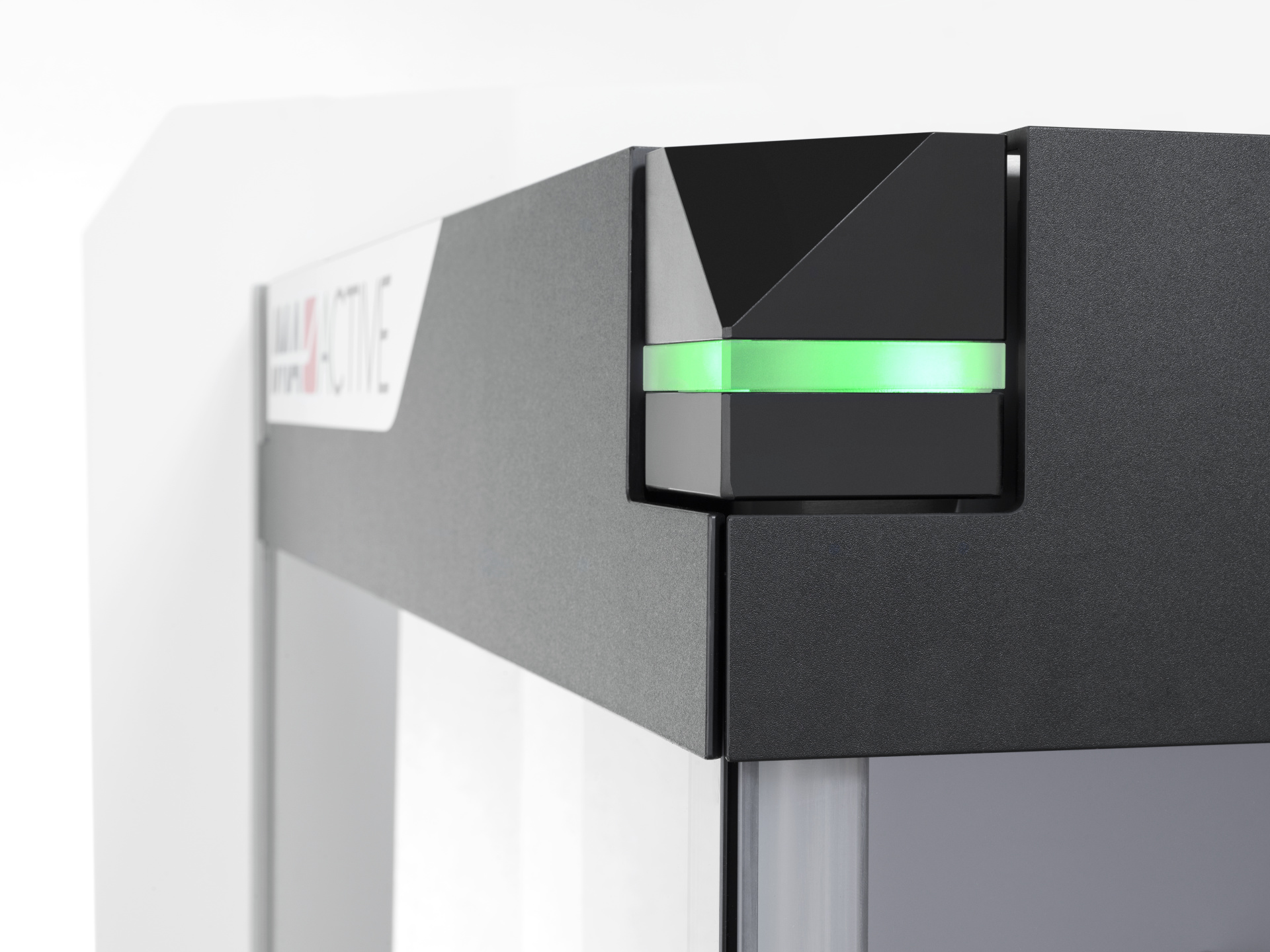
Within this framework, the DOMINA 500 tablet press, equipped with an integrated Energy Diary system, represents a significant advancement in the evolution of pharmaceutical manufacturing technologies. By embedding energy monitoring capabilities directly within the process control architecture, the system enables continuous, contextualised and actionable insight into the energetic behaviour of the compression process.
Energy Diary digital architecture
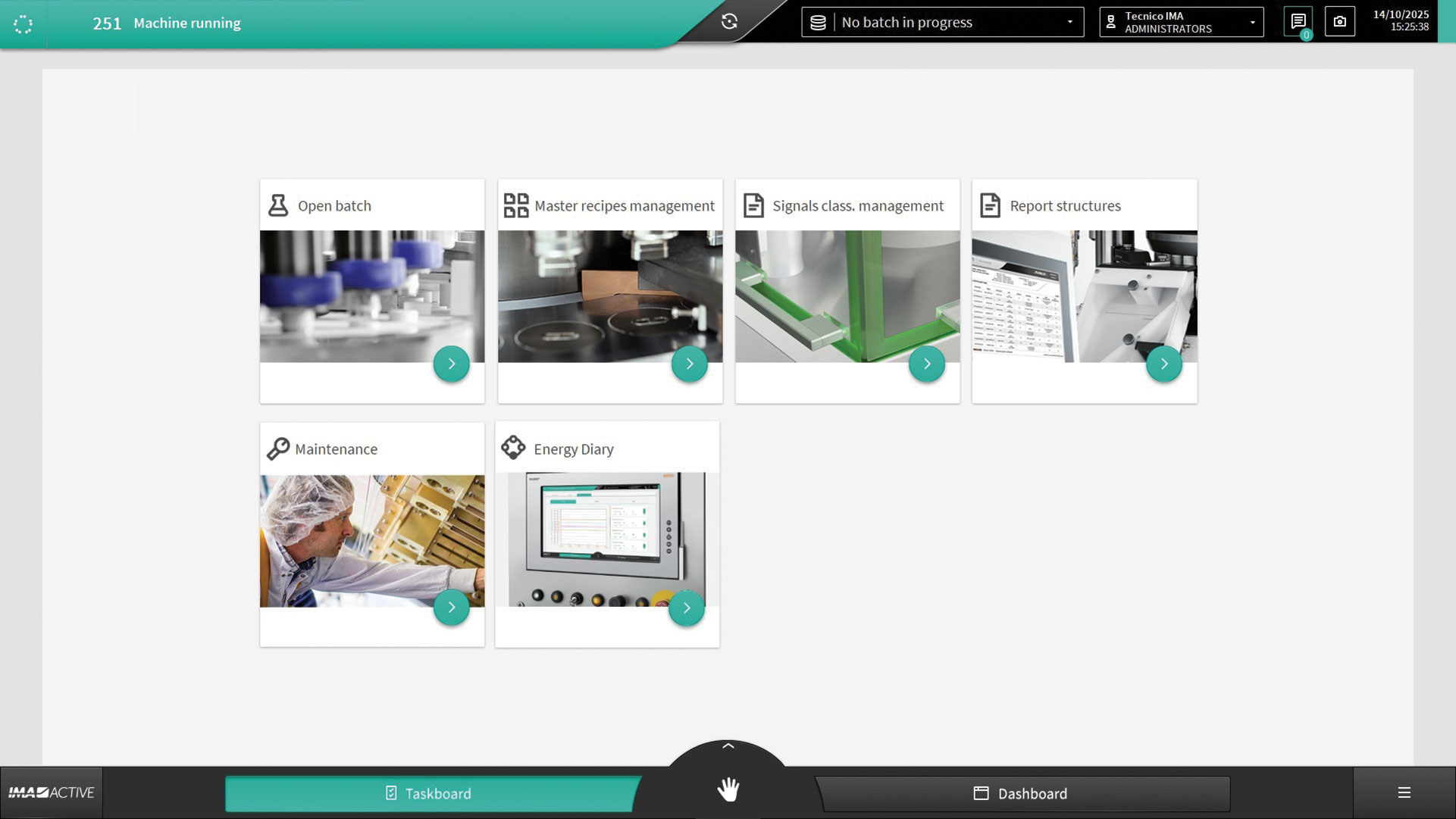
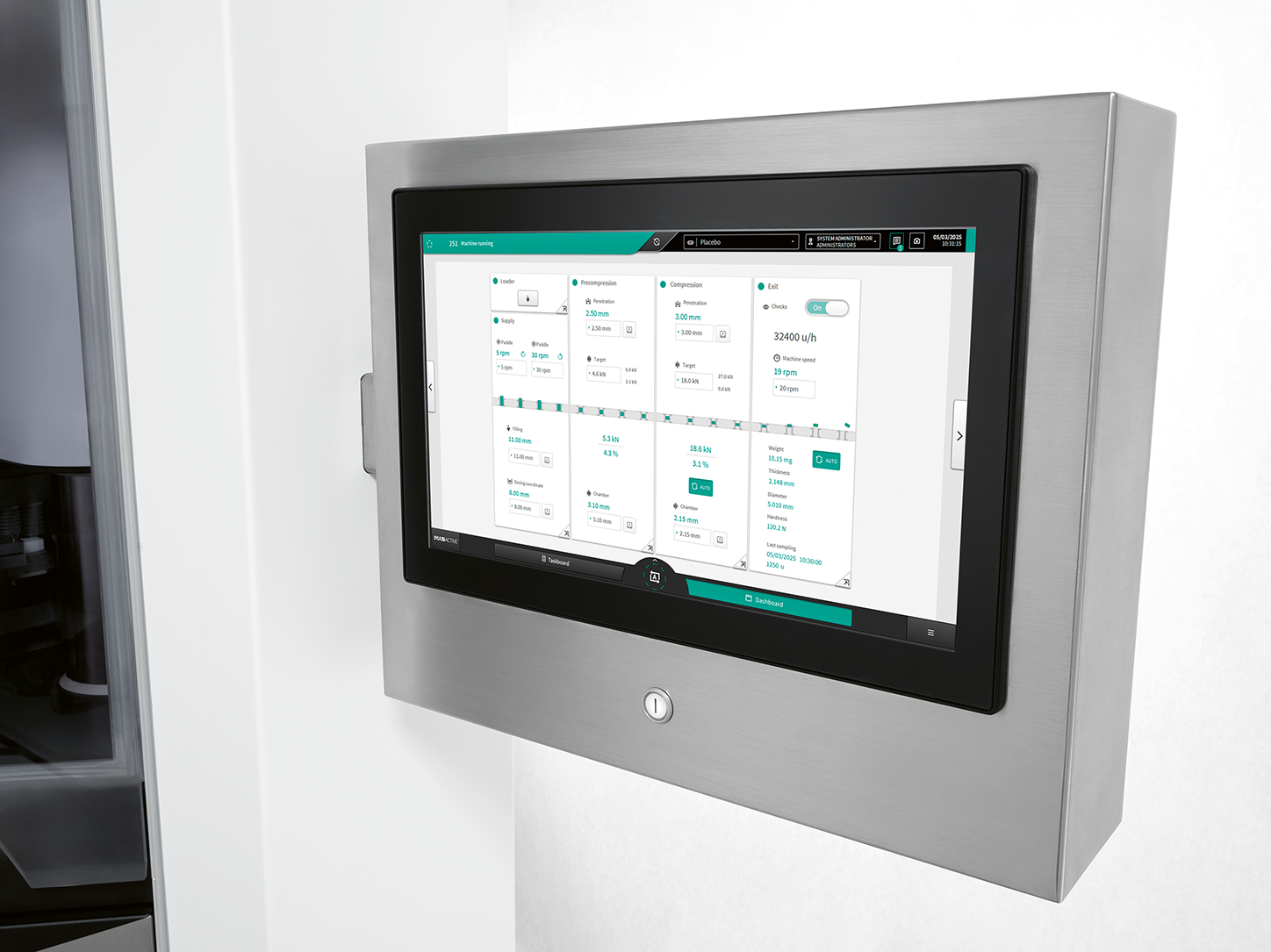
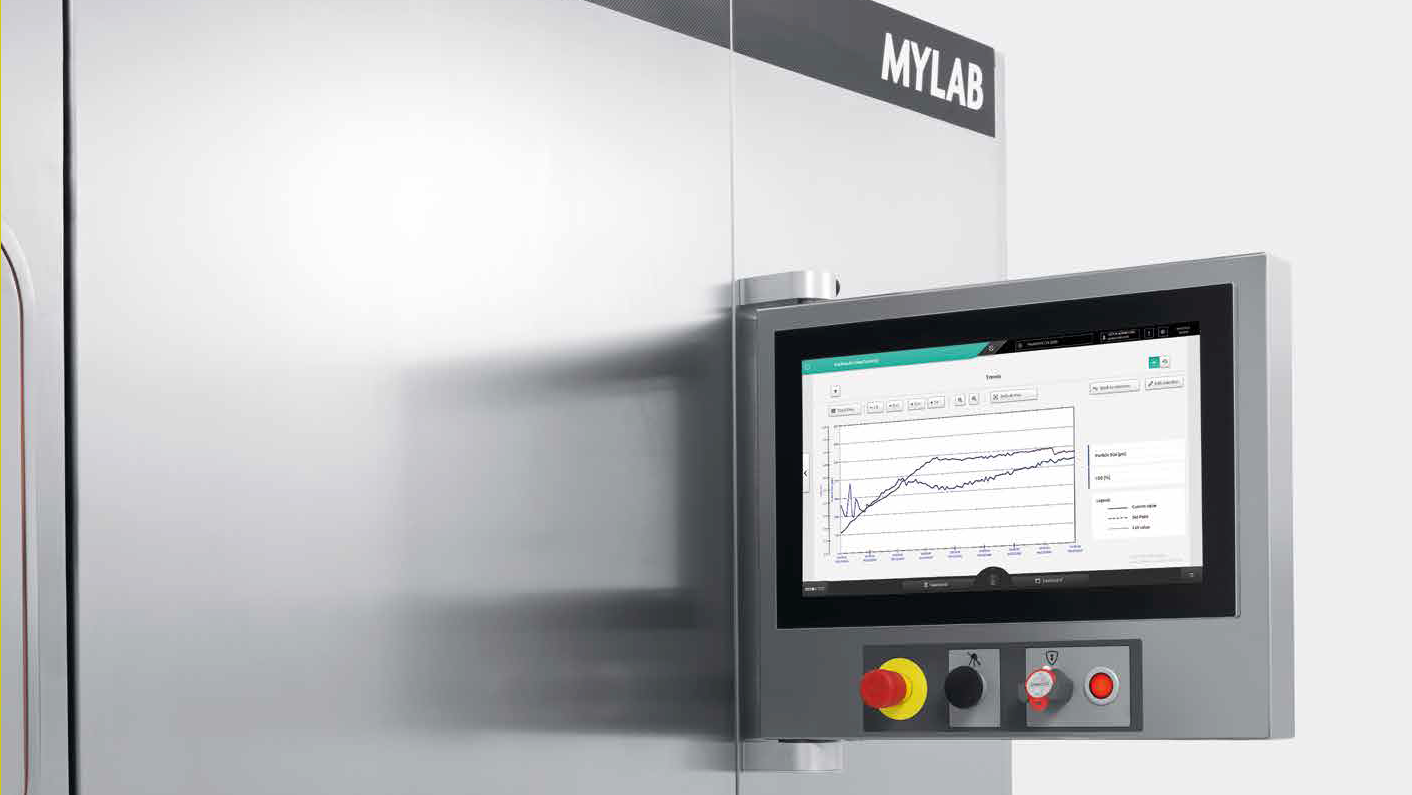
The energy diary is embedded within the machine HMI and accessible through the taskboard interface. It integrates functions for real-time monitoring, historical analysis, sensor calibration and structured data export, positioning energy monitoring at the core of process governance.
Beyond operational optimisation, the integration of energy monitoring at a machine level provides a robust foundation for quantitative sustainability assessment.
The ability to measure, attribute and analyse energy consumption in relation to specific batches, operating conditions and machine states enables a more accurate estimation of environmental indicators, including carbon footprint and energy efficiency KPIs.
Energy efficiency KPIs monitoring and time-resolved energy dynamics
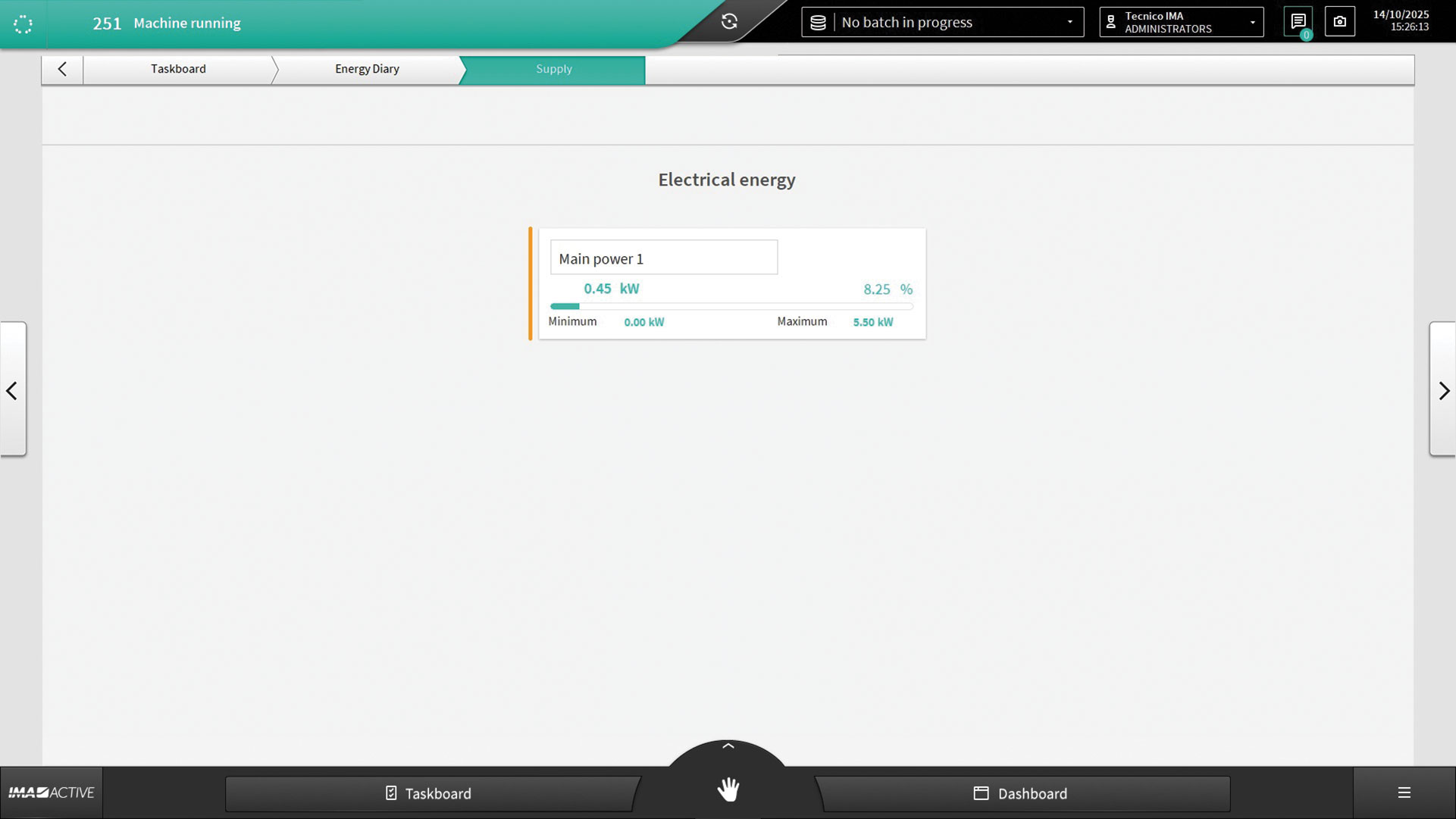
The system continuously measures electrical consumption at machine level, expressed in kW and normalised against calibrated operational limits. This enables identification of non-optimal energy conditions and supports immediate corrective actions.
This conceptual shift is particularly relevant within the frameworks of Quality by Design (QbD) and Process Analytical Technology (PAT). In these paradigms, process understanding is achieved through the identification and continuous monitoring of Critical Process Parameters (CPPs). By incorporating energy consumption into this framework, it becomes possible to establish multidimensional relationships between process dynamics, machine behaviour and resource efficiency.
Batch-level energy analysis
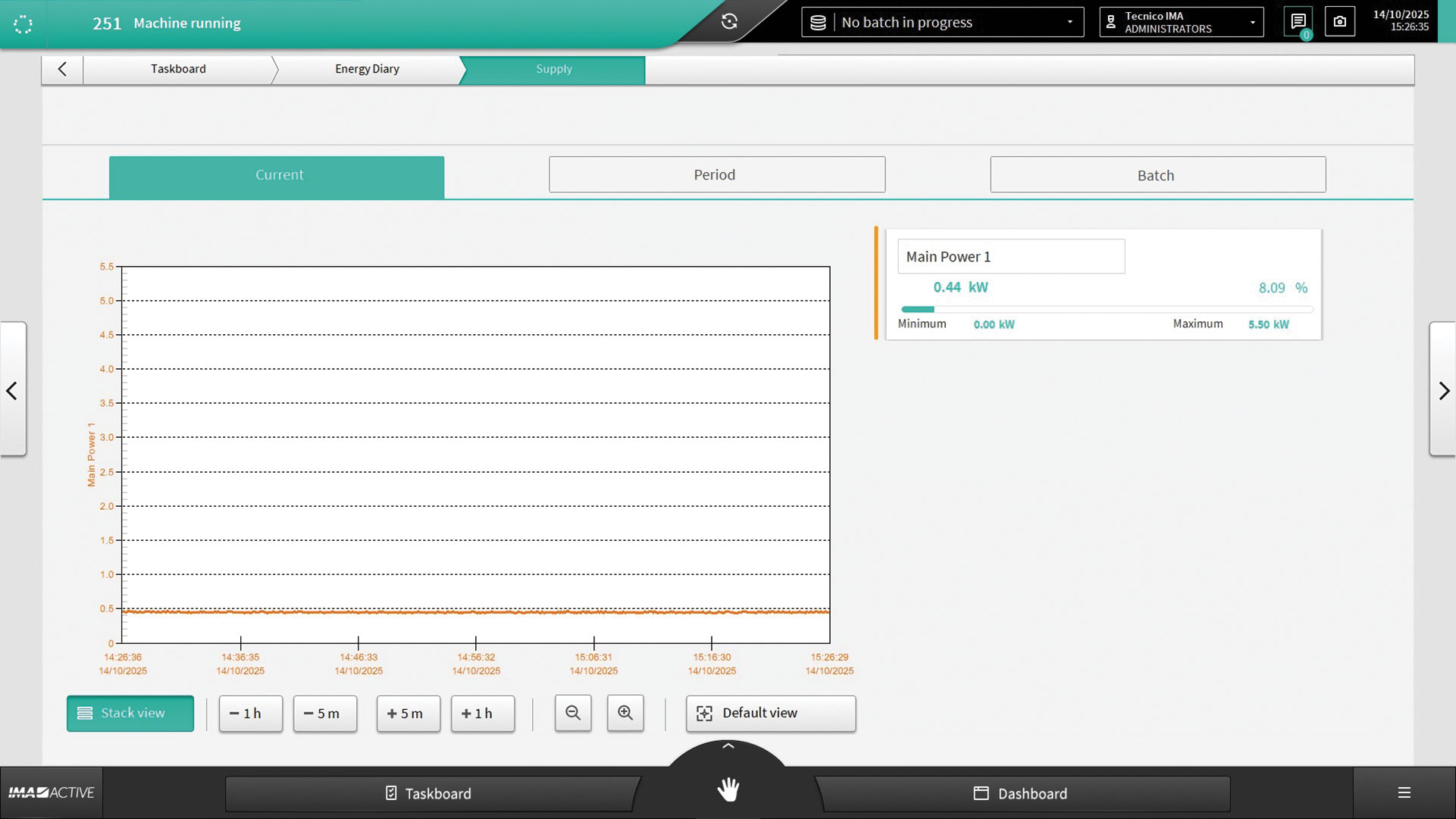
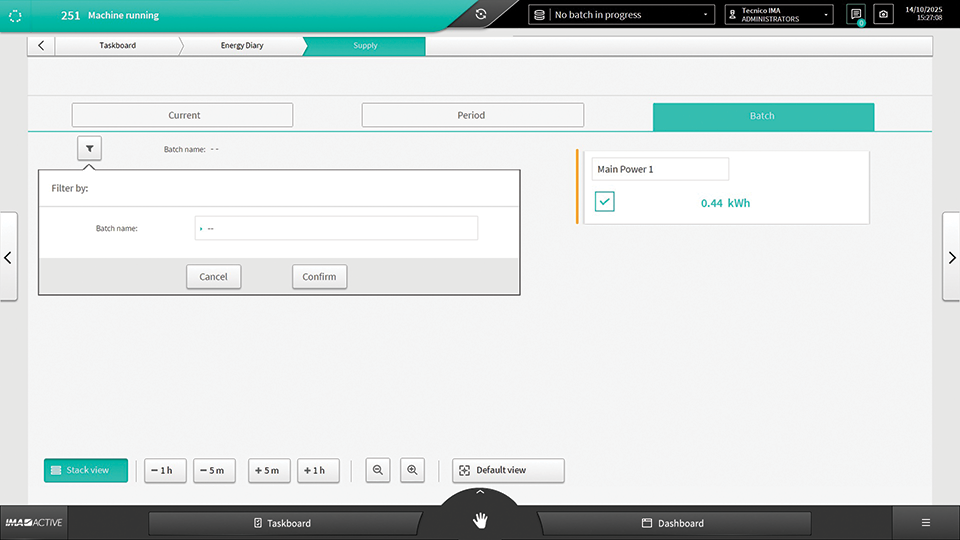
Time-series visualisation provides insight into the evolution of energy consumption during operation. Stable profiles indicate robust process conditions, whereas deviations reflect disturbances, inefficiencies or system-level events.
Energy data can be correlated with specific production batches, enabling evaluation of energy consumption at product level.
This allows comparative analysis between operating conditions and supports the optimisation of process parameters.
Sensor calibration and data integrity
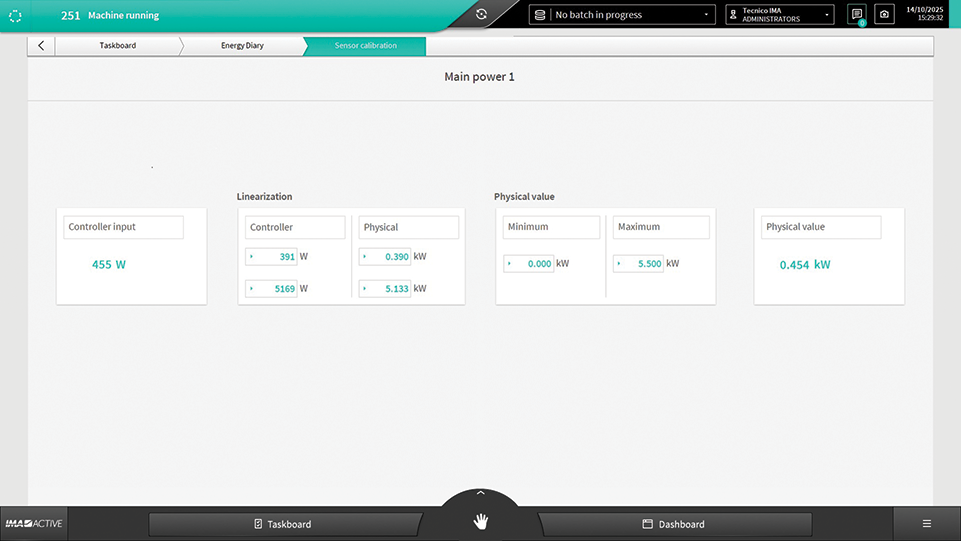
The Energy Diary includes sensor linearisation and calibration tools to ensure accurate measurement. This guarantees that energy data reflects actual machine behaviour, supporting reliable process modelling and optimisation.
Sustainability impact and conclusions
The integration of the Energy Diary enables a paradigm shift in sustainability, where energy becomes a controllable variable integrated within process design. Key contributions include:
• Identification and elimination of non-value-added energy consumption.
• Optimisation of operating conditions through real-time feedback.
• Correlation between energy use and process parameters.
• Support for predictive maintenance and reduced downtime.
• Enhanced capability for carbon footprint tracking and sustainability KPI definition
This approach enables a transition from passive energy monitoring to active energy optimisation.
Conclusion
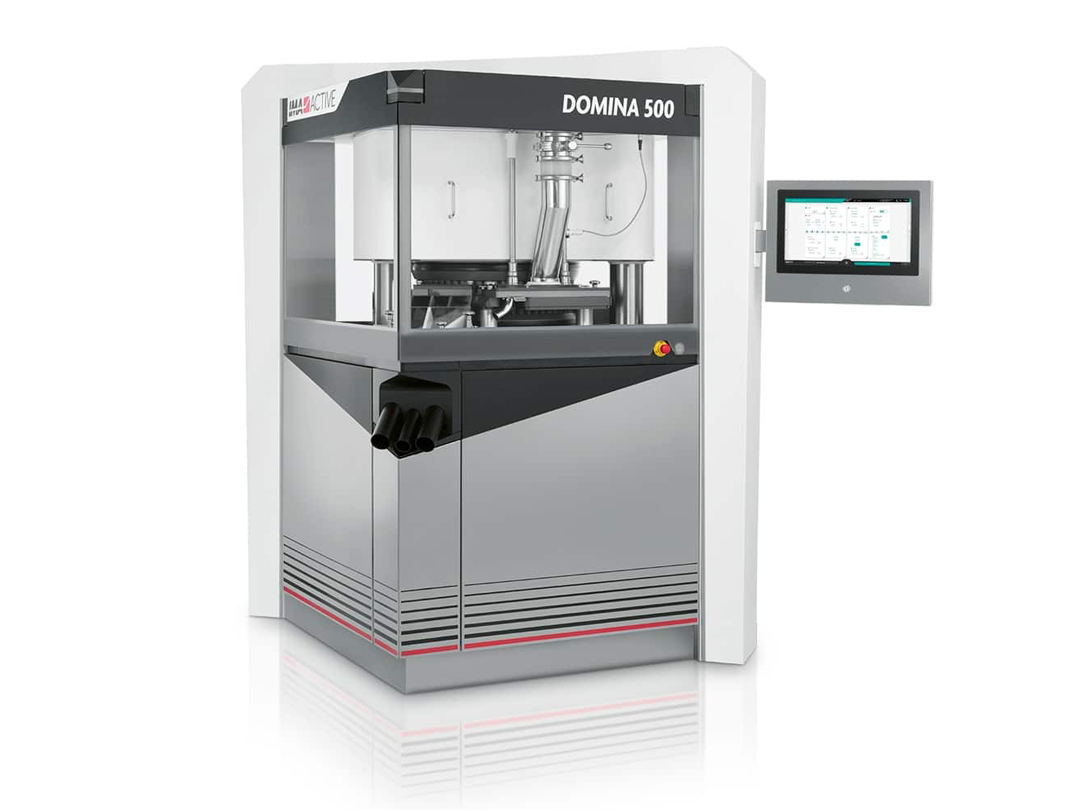
The DOMINA 500 redefines sustainability in tablet compression by embedding energy monitoring within process control. Through the Energy Diary, energy becomes a measurable, correlated and optimisable variable, enabling improved efficiency, reduced environmental impact and enhanced process understanding. Ultimately, the convergence of process science, digitalisation and energy monitoring redefines tablet compression as an energy-aware, intelligent and sustainable manufacturing operation, positioning DOMINA 500 as a key enabling technology for the next generation of pharmaceutical production systems.
New
On show
Tableting
Up to 576,000 tabs/h
IMA S.p.A. – Active Division
Case study
AMIX Nutrition and IMA Active: technological evolution supporting next generation sports nutrition.
5 min
Brands: IMA Active, IMA S.p.A. – Active Division
6 min
Brands: IMA Active, IMA S.p.A. – Active Division
13 min
Brands: IMA S.p.A. – Active Division, IMA Active
White paper
Sustainability benefits of Near-Infrared (NIR) integrated powder blending in pharmaceutical manufacturing.
7 min
Brands: IMA Active, IMA S.p.A. – Active Division
5 min
Brands: IMA S.p.A. – Active Division, IMA Active
7 min
Brands: IMA S.p.A. – Active Division, IMA Active
7 min
Brands: IMA Active, IMA S.p.A. – Active Division
6 min
Brands: IMA S.p.A. – Active Division, IMA Active
12 min
Brands: IMA S.p.A. – Active Division
11 min
Brands: IMA Active, IMA S.p.A. – Active Division
8 min
Brands: IMA Active, IMA S.p.A. – Active Division
11 min
Brands: IMA Active, IMA S.p.A. – Active Division
Case study
Vitabalans Oy chooses PREXIMA.
4 min
Brands: IMA Active, IMA S.p.A. – Active Division
16 min
Brands: IMA S.p.A. – Active Division, IMA Active
12 min
Brands: IMA S.p.A. – Active Division, IMA Active
9 min
Brands: IMA S.p.A. – Active Division, IMA Active
25 min
Brands: IMA S.p.A. – Active Division, IMA Active
20 min
Brands: IMA S.p.A. – Active Division, IMA Active
20 min
Brands: IMA S.p.A. – Active Division, IMA Active
White paper
The Energy Diary: powering sustainability.
6 min
Brands: IMA Active, IMA S.p.A. – Active Division
10 min
Brands: IMA Active, IMA S.p.A. – Active Division
4 min
Brands: IMA Active, IMA North America Inc. – Thomas Division, IMA S.p.A. – Active Division
12 min
Brands: IMA Active, IMA S.p.A. – Active Division
8 min
Brands: IMA S.p.A. – Active Division, IMA Active
10 min
Brands: IMA S.p.A. – Active Division, IMA Active
10 min
Brands: IMA Active, IMA S.p.A. – Active Division
14 min
Brands: IMA Active, IMA S.p.A. – Active Division
6 min
Brands: IMA S.p.A. – Active Division, IMA Active
11 min
Brands: IMA S.p.A. – Active Division, IMA Active
6 min
Brands: IMA S.p.A. – Active Division, IMA Active
14 min
Brands: IMA S.p.A. – Active Division, IMA Active
15 min
Brands: IMA S.p.A. – Active Division, IMA Active
10 min
Brands: IMA S.p.A. – Active Division, IMA Active
17 min
Brands: IMA S.p.A. – Active Division, IMA Active
5 min
Brands: IMA Active, IMA S.p.A. – Active Division
12 min
Brands: IMA S.p.A. – Active Division, IMA Active
13 min
Brands: IMA Active, IMA S.p.A. – Active Division
11 min
Brands: IMA Active, IMA S.p.A. – Active Division
12 min
Brands: IMA Active, IMA S.p.A. – Active Division
White paper
Influence of material and capsule filling process with Minima on aerosolization performances by DPIs.
12 min
Brands: IMA Active, IMA S.p.A. – Active Division
10 min
Brands: IMA Active, IMA S.p.A. – Active Division
6 min
Brands: IMA S.p.A. – Active Division, IMA Active
Case study
Algorithm: «Why we choose IMA».
3 min
Brands: IMA Active, IMA S.p.A. – Active Division
Case study
Tablets: the importance of uniform coating.
6 min
Brands: IMA Active, IMA S.p.A. – Active Division
White paper
IMA Active drives forward the successful uptake of Continuous Manufacturing in the pharmaceutical industry.
7 min
Brands: IMA Active, IMA S.p.A. – Active Division
18 min
Brands: IMA S.p.A. – Active Division, IMA Active
18 min
Brands: IMA Active, IMA S.p.A. – Active Division
30 min
Brands: IMA Active, IMA S.p.A. – Active Division
7 min
Brands: IMA S.p.A. – Active Division, IMA Active
5 min
Brands: IMA S.p.A. – Active Division, IMA Active
Case study
Mastering tablet manufacturing: how segment tools improve productivity, efficiency and consistency.
7 min
Brands: IMA Active, IMA S.p.A. – Active Division
34 min
Brands: IMA Active, IMA S.p.A. – Active Division
8 min
Brands: IMA Active, IMA S.p.A. – Active Division
2 min
Brands: IMA Active, IMA S.p.A. – Active Division
11 min
Brands: IMA Active, IMA S.p.A. – Active Division
White paper
Comparison of minitablets and pellets as multiparticulate drug delivery systems for controlled drug release.
24 min
Brands: IMA Active, IMA S.p.A. – Active Division
Case study
Lubricant sensitivity of direct compression grades of lactose in continuous batch tableting process.
33 min
Brands: IMA Active, IMA S.p.A. – Active Division
5 min
Brands: IMA Active, IMA S.p.A. – Active Division
7 min
Brands: IMA Active, IMA S.p.A. – Active Division
5 min
Brands: IMA Active, IMA S.p.A. – Active Division
5 min
Brands: IMA Active, IMA S.p.A. – Active Division
9 min
Brands: IMA Active, IMA S.p.A. – Active Division
White paper
Component washing: better with less.
8 min
Brands: IMA Active, IMA S.p.A. – Active Division
5 min
Brands: IMA Active, IMA S.p.A. – Active Division
White paper
New solutions for nutraceuticals.
5 min
Brands: IMA Active, IMA S.p.A. – Active Division
8 min
Brands: IMA Active, IMA S.p.A. – Active Division
17 min
Brands: IMA Active, IMA S.p.A. – Active Division
8 min
Brands: IMA Active, IMA S.p.A. – Active Division
8 min
Brands: IMA Active, IMA S.p.A. – Active Division
14 min
Brands: IMA Active, IMA S.p.A. – Active Division
7 min
Brands: IMA Active, IMA S.p.A. – Active Division
Case study
Food supplement revolution.
6 min
Brands: IMA Active, IMA S.p.A. – Active Division
White paper
CROMA continuous coater: saving energy and process time by using high solids coating material.
7 min
Brands: IMA Active, IMA S.p.A. – Active Division
7 min
Brands: IMA Active, IMA S.p.A. – Active Division
7 min
Brands: IMA Active, IMA S.p.A. – Active Division
Case study
Application of acrylic enteric coating directly on soft gelatine capsules using a GS coating pan.
6 min
Brands: IMA Active, IMA S.p.A. – Active Division
8 min
Brands: IMA S.p.A. – Active Division, IMA Active
6 min
Brands: IMA Active, IMA S.p.A. – Active Division
11 min
Brands: IMA Active, IMA S.p.A. – Active Division
12 min
Brands: IMA Active, IMA S.p.A. – Active Division
9 min
Brands: IMA Active, IMA S.p.A. – Active Division
6 min
Brands: IMA Active, IMA S.p.A. – Active Division
5 min
Brands: IMA Active, IMA S.p.A. – Active Division
White paper
Formulating tablets layer by layer.
10 min
Brands: IMA Active, IMA S.p.A. – Active Division

8 min
Brands: IMA Active, IMA S.p.A. – Active Division
Case study
Formulation development of Vitamin C based effervescent blend suitable for direct compression.
9 min
Brands: IMA Active, IMA S.p.A. – Active Division
10 min
Brands: IMA Active, IMA S.p.A. – Active Division
8 min
Brands: IMA Active, IMA S.p.A. – Active Division
7 min
Brands: IMA Active, IMA S.p.A. – Active Division
Case study
Extrusion-Molding-Coating process advantages for Continuous Manufacturing of oral solid dosage forms
12 min
Brands: IMA Active, IMA S.p.A. – Active Division
6 min
Brands: IMA Active, IMA S.p.A. – Active Division
7 min
Brands: IMA Active, IMA S.p.A. – Active Division
13 min
Brands: IMA Active, IMA S.p.A. – Active Division
White paper
Autoregulation function on Domina tablet press.
6 min
Brands: IMA Active, IMA S.p.A. – Active Division
White paper
The potential of Croma continuous coater.
10 min
Brands: IMA Active, IMA S.p.A. – Active Division
Case study
IMA Coffee partners with Smile Beverage Werks to produce new, sustainable single-serve capsules
7 min
Brands: IMA S.p.A. – Coffee Division, IMA Active, IMA S.p.A. – Active Division
White paper
Perfima Extra: your way to boost productivity keeping process quality at the highest standard.
4 min
Brands: IMA Active, IMA S.p.A. – Active Division
Case study
IMA and OSIsoft: setting the standard in table process data to accelerate production setup.

5 min
Brands: IMA S.p.A. – Active Division, IMA Active
10 min
Brands: IMA S.p.A. – Active Division, IMA Active
10 min
Brands: IMA Active, IMA S.p.A. – Active Division
7 min
Brands: IMA Active, IMA S.p.A. – Active Division
5 min
Brands: IMA Active, IMA S.p.A. – Active Division
10 min
Brands: IMA Active, IMA S.p.A. – Active Division
Case study
Power to the essential.
6 min
Brands: IMA Active, IMA S.p.A. – Active Division
6 min
Brands: IMA Active, IMA S.p.A. – Active Division
7 min
Brands: IMA Active, IMA S.p.A. – Active Division
5 min
Brands: IMA Active, IMA S.p.A. – Active Division
Case study
Much more than nutraceuticals.
6 min
Brands: IMA Active, IMA S.p.A. – Active Division
5 min
Brands: IMA Active, IMA S.p.A. – Active Division
White paper
Preliminary results of predictive maintenance algorithms on a tablet press production machine.
7 min
Brands: IMA Active, IMA S.p.A. – Active Division
White paper
The Prexima challenge. Comparison of rotary tablet presses seminar in Leverkusen (Germany).
8 min
Brands: IMA Active, IMA S.p.A. – Active Division
6 min
Brands: IMA Active, IMA S.p.A. – Active Division
Case study
Directly compressed minitablets coated in a solid wall pan for the sustained release of drugs.
8 min
Brands: IMA Active, IMA S.p.A. – Active Division
5 min
Brands: IMA Active, IMA S.p.A. – Active Division
8 min
Brands: IMA Active, IMA S.p.A. – Active Division
Case study
Aria fluid bed granulator and MicroNIR
9 min
Brands: IMA Active, IMA S.p.A. – Active Division
Case study
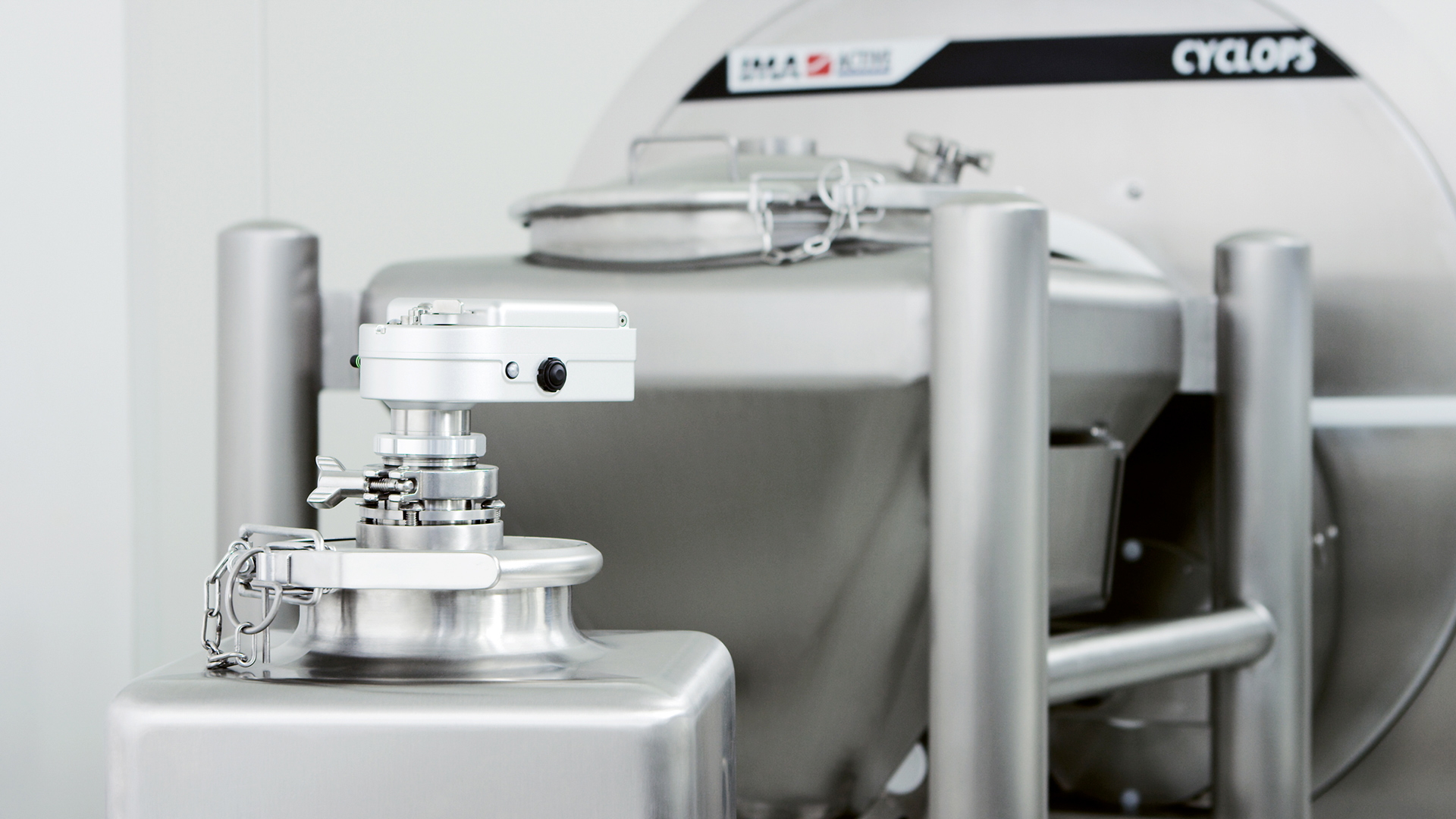
Cyclops. Blending made by IMA.
7 min
Brands: IMA Active, IMA S.p.A. – Active Division
8 min
Brands: IMA Active, IMA S.p.A. – Active Division
7 min
Brands: IMA Active, IMA S.p.A. – Active Division
Case study
The IMA Group integrates OMAC PackML and invests in the future of machine connection and control.
8 min
Brands: IMA Active, IMA S.p.A. – Active Division
7 min
Brands: IMA Active, IMA S.p.A. – Active Division
White paper
How to perform a good scale-up.
6 min
Brands: IMA S.p.A. – Active Division, IMA Active
5 min
Brands: IMA Active, IMA S.p.A. – Active Division
29 min
Brands: IMA Active, IMA S.p.A. – Active Division
Case study
Drug layering: the impact of up-scaling.
5 min
Brands: IMA Active, IMA S.p.A. – Active Division
5 min
Brands: IMA Active, IMA S.p.A. – Active Division
10 min
Brands: IMA Active, IMA S.p.A. – Active Division
15 min
Brands: IMA Active, IMA S.p.A. – Active Division
Case study
Scaling up a film coating process.
7 min
Brands: IMA Active, IMA S.p.A. – Active Division
White paper
Manufacturing DPIs: an engineering perspective
8 min
Brands: IMA Active, IMA S.p.A. – Active Division
White paper
Salty compression.
5 min
Brands: IMA Active, IMA S.p.A. – Active Division
5 min
Brands: IMA Active, IMA S.p.A. – Active Division
4 min
Brands: IMA Active, IMA S.p.A. – Active Division
7 min
Brands: IMA Active, IMA S.p.A. – Active Division
8 min
Brands: IMA Active, IMA S.p.A. – Active Division
Case study
High Containment in OSD
8 min
Brands: IMA Active, IMA Safe, IMA S.p.A. – Safe Division, IMA S.p.A. – Active Division
6 min
Brands: IMA Active, IMA S.p.A. – Active Division
9 min
Brands: IMA Active, IMA S.p.A. – Active Division
Case study
Tableting at its best.
6 min
Brands: IMA Active, IMA S.p.A. – Active Division
5 min
Brands: IMA Active, IMA S.p.A. – Active Division
7 min
Brands: IMA Active, IMA S.p.A. – Active Division
Case study
GlaxoSmithKline chooses Perfima.
7 min
Brands: IMA Active, IMA S.p.A. – Active Division
Case study
Design ad Hoc. Delpharm chose Effecta.
6 min
Brands: IMA Active, IMA S.p.A. – Active Division
Case study
Together again: Chinoin chooses IMA.
3 min
Brands: IMA Active, IMA S.p.A. – Active Division
4 min
Brands: IMA Active, IMA S.p.A. – Active Division
8 min
Brands: IMA Active, IMA S.p.A. – Active Division
7 min
Brands: IMA Active, IMA S.p.A. – Active Division
6 min
Brands: IMA Active, IMA S.p.A. – Active Division
7 min
Brands: IMA Active, IMA S.p.A. – Active Division
Case study
BMP: «PREXIMA fits all our needs».
4 min
Brands: IMA Active, IMA S.p.A. – Active Division
Case study
Fine Foods: «Why we choose IMA».
5 min
Brands: IMA Active, IMA S.p.A. – Active Division
5 min
Brands: IMA Active, IMA S.p.A. – Active Division
6 min
Brands: IMA Active, IMA S.p.A. – Active Division
Case study
Leading the way in micro-dosing DPIs.
6 min
Brands: IMA Active, IMA S.p.A. – Active Division