White paper
TILE X and the future of gloveless, isolated aseptic
fill-finish for Cell & Gene therapy, ATMPs, and high-value advanced biologics.
-
Reading time 9 min
-
A study by

-
Exclusively for
MakingLife May, 2026
Introduction
Advanced therapy medicinal products (ATMPs), including Cell & Gene therapies (CGT) and other high value biologics, are reshaping downstream operations. Batch sizes are shrinking to hundreds of units or even a single patient, while sterility assurance, traceability and flexibility must increase. The EU GMP Annex 1 (2022) codifies stronger expectations around contamination control strategies (CCS), barrier technology (isolators), risk based environmental monitoring and “First Air” protection, accelerating the industry’s move toward automated, gloveless aseptic processing.
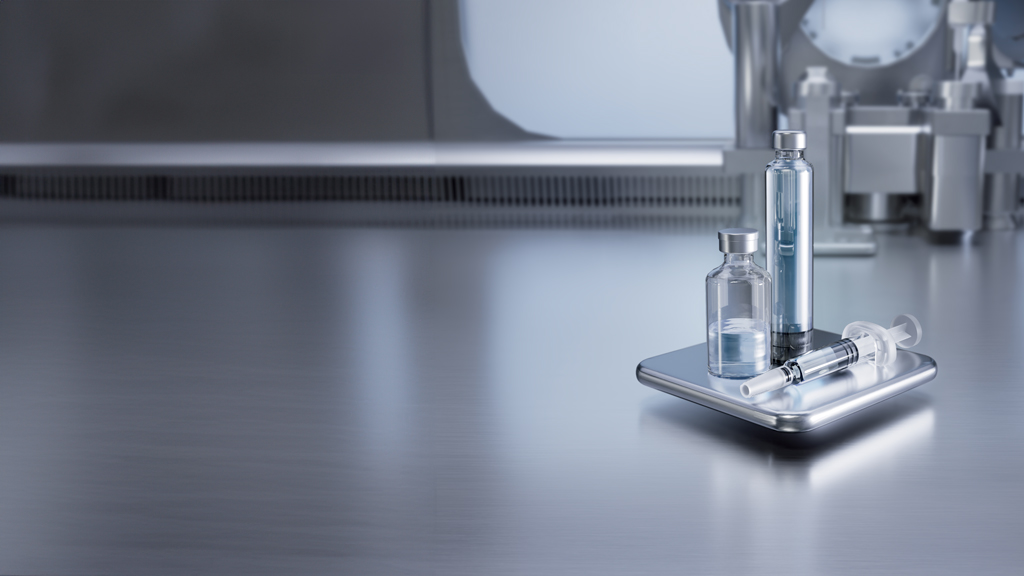
IMA Life’s TILE X system embodies this evolution: a modular, gloveless Grade A isolator architecture paired with frictionless magnetic levitation transport, automated aseptic setup and 100% in process control (IPC) options. A solution built for highly valuable batches and personalized medicines with the ability to fill-finish vials, syringes and cartridges.
Market context: why small batch ATMP/CGT fill finish demands new architecture
As manufacturers scale from pre-clinical to commercial production of advanced biological products on the ATMP/CGT area, fill finish constraints include tiny batch sizes, multiple formats, living materials and stringent chain of identity requirements. Traditional high-speed lines optimized for bulk glass and large campaigns often struggle with product stewardship, changeover agility and full traceability of each single vial or syringe. The sector has responded with RTU components, modular lines and advanced robotics to reduce human interventions.
Regulatory drivers: Annex 1, CCS and First Air
Annex 1 emphasizes integrated CCS and Quality Risk Management (QRM), isolation technologies, real time/continuous monitoring and rigorous airflow visualization and
“First Air” protection over critical zones. In short, manufacturers must demonstrate that people and manual manipulations are not vectors for contamination. “First Air” is defined as uninterrupted, unidirectional HEPA filtered airflow that reaches exposed product and product contact surfaces without prior disturbance.
Technology overview: gloveless isolators + magnetic levitation
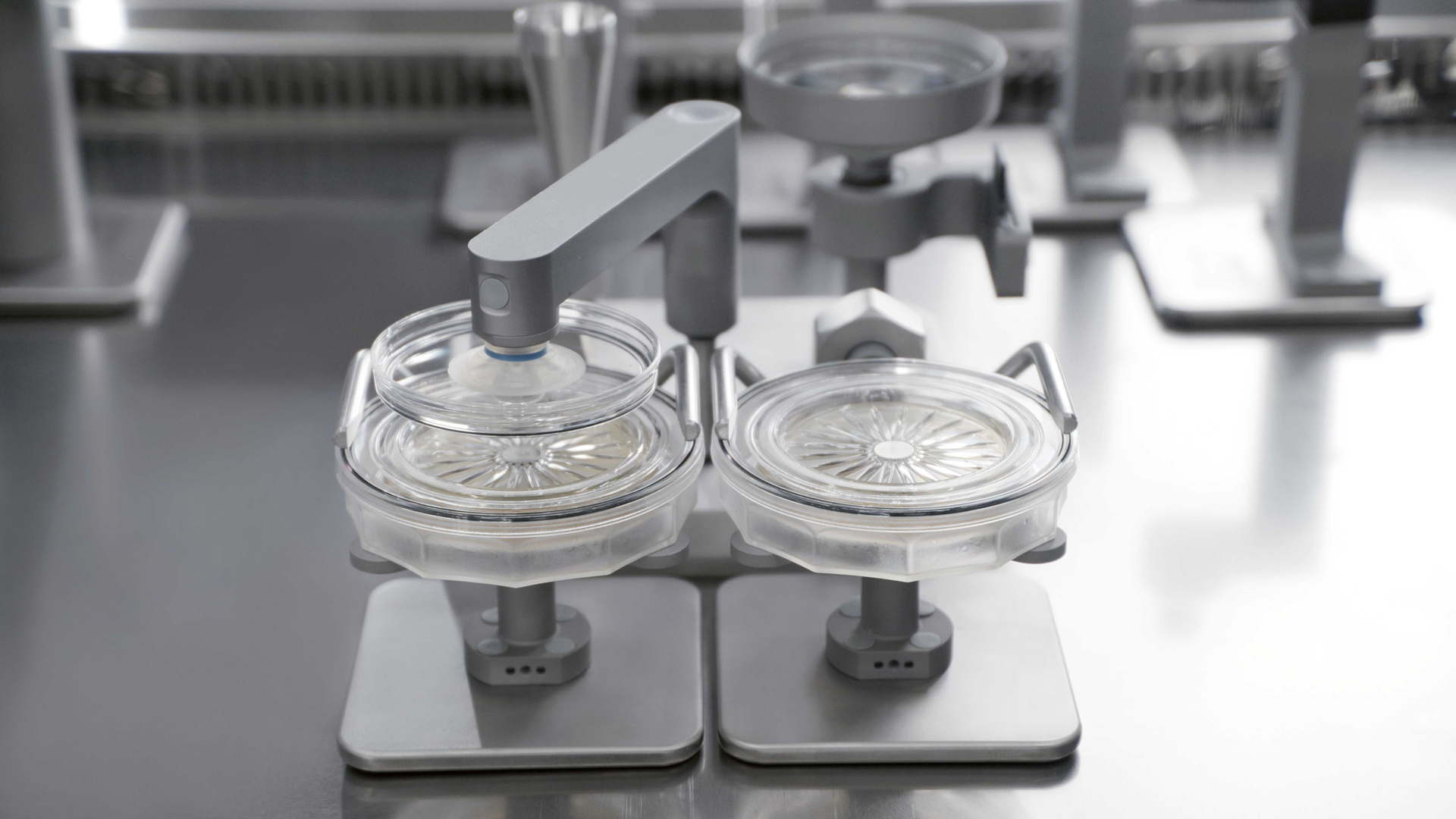
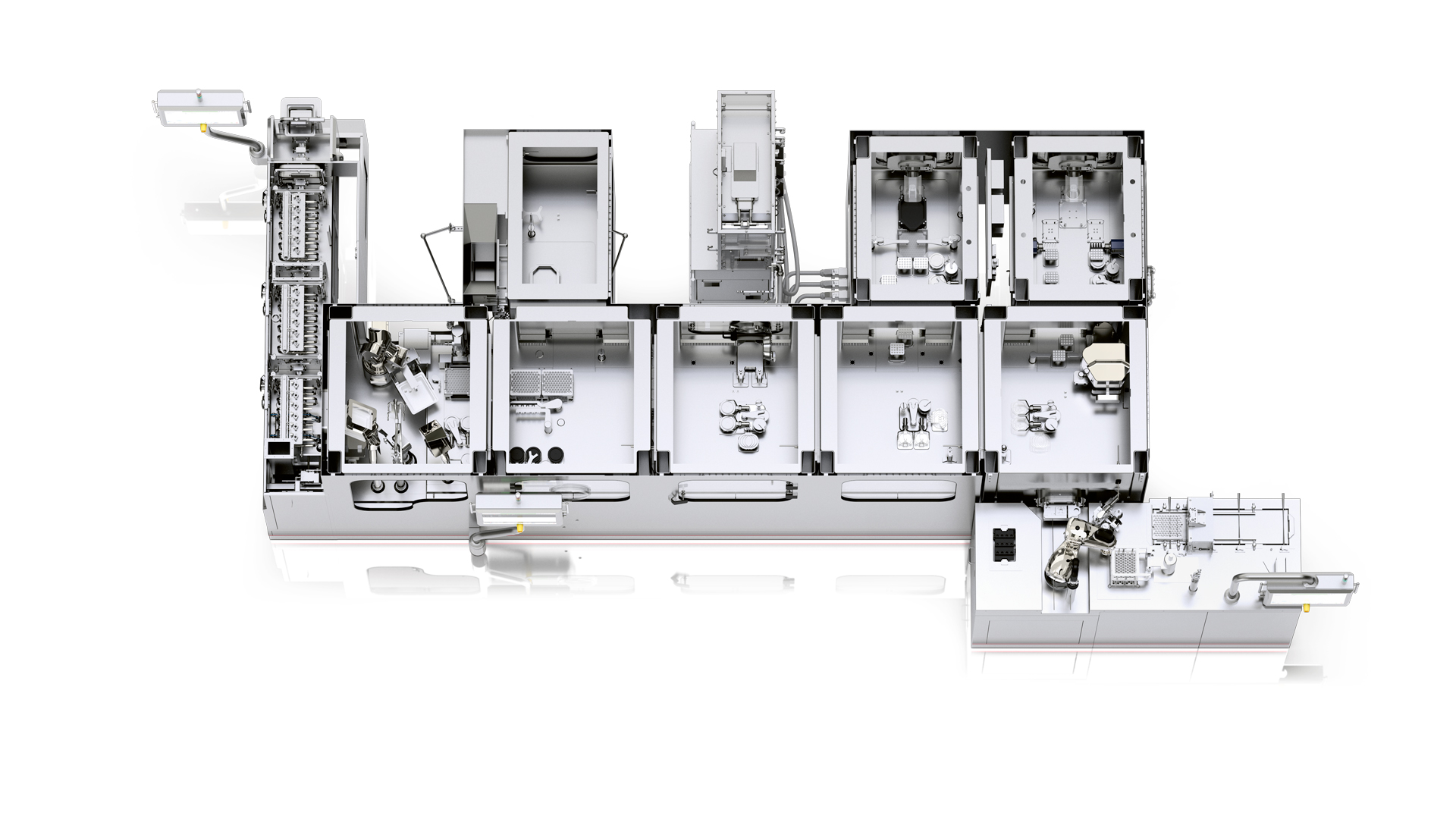
• Gloveless isolator philosophy. TILE X adopts a gloveless approach: each module is an independent, sealed chamber, engineered by CFD to preserve unidirectional flow over the “glass line,” reduce vortex formation and maintain First Air across critical activities (denesting, filling, stoppering, capping). The design minimizes glove use and simplifies aseptic setup through RTP mediated transfer of autoclaved parts and single use assemblies.
• Magnetic levitation movement. Instead of mechanical conveyors, TILE X uses levitating movers – “TILES” – with six degrees of freedom (X, Y, Z, Rx, Ry, Rz), achieving micron level positioning repeatability while eliminating friction sources of particles and wear. Magnetic levitation and contactless guidance are widely recognized for cleanroom suitability and precision, enabling programmable, product specific trajectories and gentle handling of RTU nests or single vials.
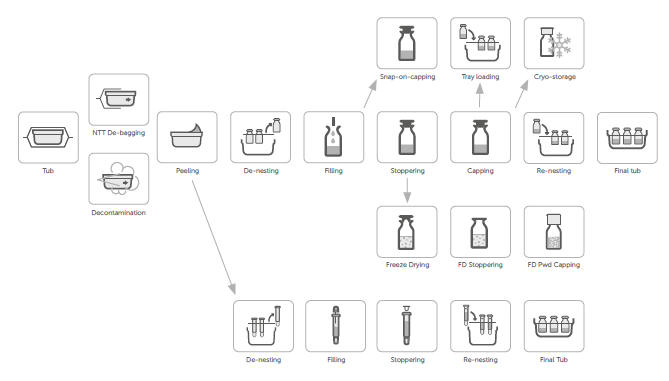
• Modular scale-out and layout agility. Modules can be composed for different sequences (e.g., delidding/denesting > 100% IPC filling > stoppering > capping > (re)nesting) with open or closed isolator layouts from ~10 to ~40 units/min depending on format (e.g., 2R vials). Ventilation options include cleanroom
fed air without a dedicated HVAC, or dedicated HVAC with temperature/humidity control, tailored to CCS needs and building constraints.
• Easy cleanroom integration. TILE-X is designed for rapid integration into existing cleanroom infrastructures. Its compact, modular architecture requires minimal overhead volume, making it suitable for facilities where ceiling height and technical space represent a constraint. In configurations where a full HVAC-dedicated system is not requested, TILE-X can operate using cleanroom-fed ventilation, significantly reducing mechanical footprint and installation effort. This enables upgrades or line replacement with limited impact on the technical area, accelerating deployment timelines while maintaining Grade A aseptic assurance.
RTU introduction: No Touch Transfer (NTT) and decontamination tunnels
RTU tubs/trays are introduced into isolators via two validated pathways:
• No Touch Transfer (NTT): stepwise debagging through progressively cleaner zones, maintaining a pressure cascade and Grade A overflow at mouseholes; when packaging is qualified end to end, NTT eliminates in process surface re decontamination and minimizes interventions using semi-automatic solutions.
• Surface decontamination tunnels – VHP based: for lines that prefer active decontamination of outer surfaces, high concentration VHP tunnels introduce RTU tubs rapidly into Grade A with robust qualification strategies.
TILE X supports both modes, including compact “NEBULA” type tunnels and NTT flows, to fit CCS and throughput targets.
Filling, closure and product stewardship for CGTs
CGTs demand precise, traceable dosing with minimal waste. TILE X integrates:
• Peristaltic or time pressure dosing with 100% IPC, enabling micro volume accuracy, rapid recipe changes, first-last drop product saving and in batch adjustments based on IPC feedback.
• Automated RTP connection and pick place of SUS filling nozzles, removing manual glove manipulations near First Air and preventing VPHP residue risks on product contact parts.
• Stoppering and capping in separated modules with low vibration feeding, redundant presence sensing and supported by an automated vision system, designed to meet Annex 1 expectations for indirect part manipulation during aseptic setup.
Environmental monitoring (EM): risk based, automated and gloveless friendly
Biophorum has harmonized an industry risk assessment approach for selecting EM points and monitoring plans, focusing on factors such as proximity to open product, intervention complexity/frequency, personnel/material flows, and cleanability. In gloveless isolators, EM strategies should minimize manipulations and leverage automation where possible.
Annex 1 demand continuous viable monitoring in Grade A and supports integrating rapid methods such as biofluorescent particle counting (BFPC) to reduce settle plate handling and operator interventions. A combined program, active + passive viable sampling together with particle counters in each TILE-X module supported by Biophorum risk assessment approach strengthens the CCS. Moreover TILE X automates EM plate handling during setup/production and allows alternative BFPC integration per module aligning continuous monitoring with a truly gloveless philosophy.
Case Study – TILE-X as a Scalable Platform for iPSC-Based Allogeneic Therapies
Induced pluripotent stem cells (iPSCs) are advancing rapidly as a foundation for next-generation regenerative medicines. Their pluripotency, theoretical unlimited expansion capacity and ability to differentiate into multiple cell types make them a prime source for cell therapies in oncology, neurology, cardiology and immune modulation. Unlike autologous approaches, which require patient-specific manufacturing, iPSC-derived therapies enable an allogeneic “off-the-shelf” model — where a single donor cell line can produce thousands of doses. This shift promises scalability, lower cost per treatment, and broader patient access. However, transitioning iPSC manufacturing from laboratory scale to GMP and ultimately commercial volumes remains a significant challenge.
Expanding and differentiating iPSCs at increasing volumes requires bioprocess robustness, strict control of culture conditions, and an integrated strategy for downstream processing and fill-finish operations. Suspension-based and closed automated bioreactor platforms are required to support industrial volumes and ensure batch consistency. Literature highlights critical pain points: hydrodynamic stress affecting the fragile aggregates, oxygen/nutrient diffusion limitations, inconsistent differentiation outcomes and costly manual downstream handling. These issues directly impact viability, quality attributes and regulatory acceptance of final products.
TILE-X emerges as a platform designed to address these scale-up barriers in the fill-filling challenges. Engineered to support both early development and medium-batch production (40 vials per minute), TILE-X integrates specific attentions for critical cell-suspension medicines, automated processing and higher-throughput fill-finish potential versus similar competitive equipment. It enables continual technological transfers from pre-clinical proof-of-concept to commercial readiness. Its architecture aligns naturally with the requirements of allogeneic iPSC therapies, where a single production batch may target 1,000 to 10,000 vials, enabling efficient dose banking and distribution to multiple patients.
The TILE-X advantage becomes even more relevant when considering that allogeneic therapies require consistent, traceable, scalable filling of thousands of vials, a step where time-efficiency and aseptic handling are critical. A platform designed for high-value cell products, capable of automated filling and quick changeover with reduced human intervention, directly supports GMP compliance and sterility assurance. Combined with real-time monitoring and digital traceability, TILE-X positions itself as a modern solution for contamination-free production under Annex-1-aligned frameworks. TILE-X mitigates these challenges by maintaining a consistent environment from small to large production volumes, enabling stable conditions and reducing criticalities with a specific CGT feature in dosing solutions (peristaltic or time-pressure based).
Thanks to the ability to extend the ventilation of isolated modules with dedicated HVAC systems, it is possible to apply precise temperature and humidity constraints during fill-finish operations – an essential feature for thermosensitive products such as certain cell suspensions, or formulations that require specific environmental conditions. Furthermore, the use of magnetic levitation transport enables controlled oscillations to homogenize the product even once it is inside the vials, which is particularly beneficial in combined dosing scenarios involving both the drug product and cryoprotectants.
Conclusion
As Cell & Gene therapies continue to mature, manufacturing technologies must evolve in parallel: not only in terms of sterility and automation, but also in adaptability to new therapeutic scenarios and increasingly complex product attributes. This article explains how the TILE-X solution is aligned with these needs, establishing itself as the new state of the art in fill-finish for advanced biological products. By enabling developers to move with confidence from early batches to broader clinical deployment, it contributes to a more resilient and agile production ecosystem fully compliant with regulatory expectations.
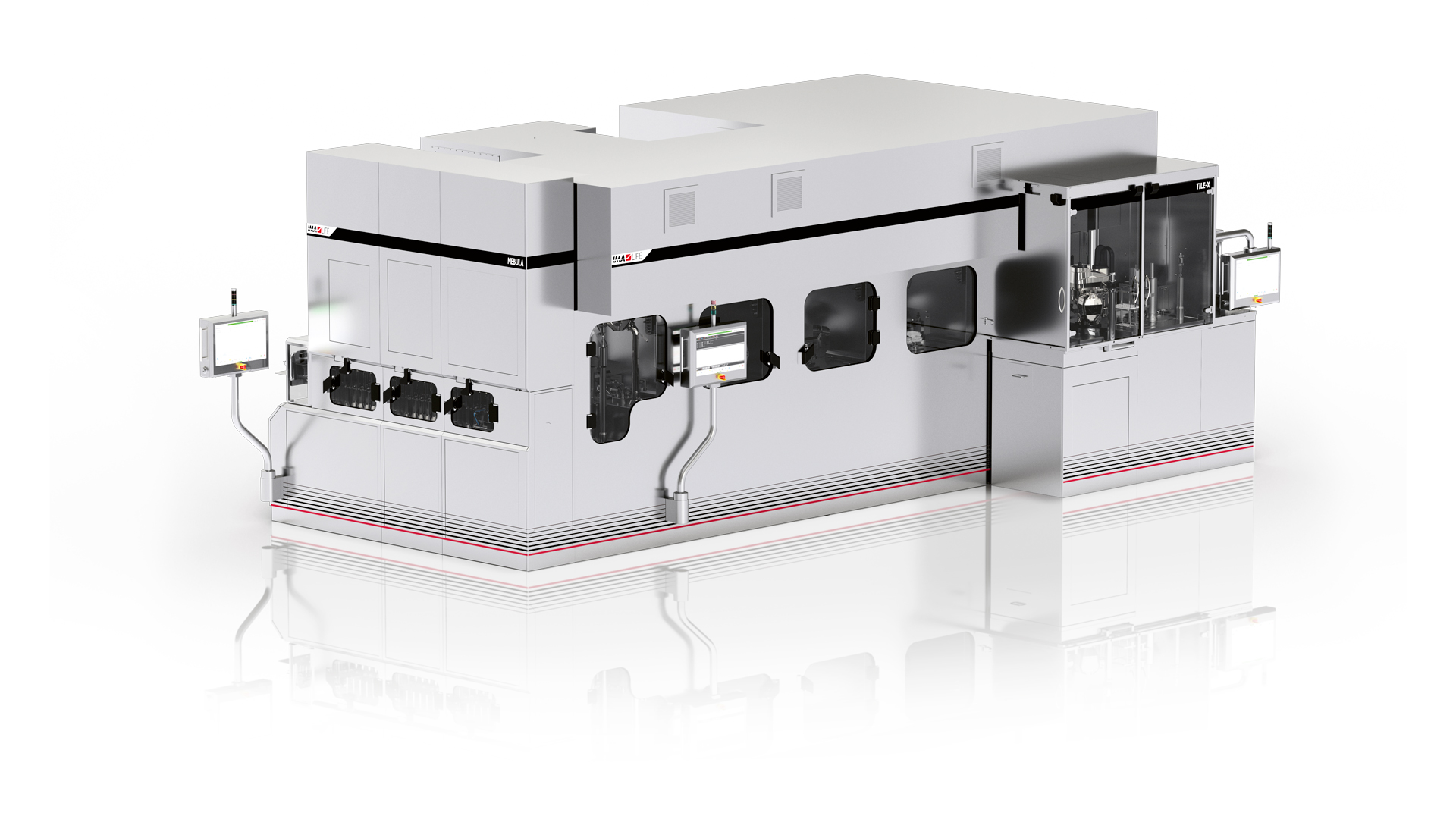
TILE X
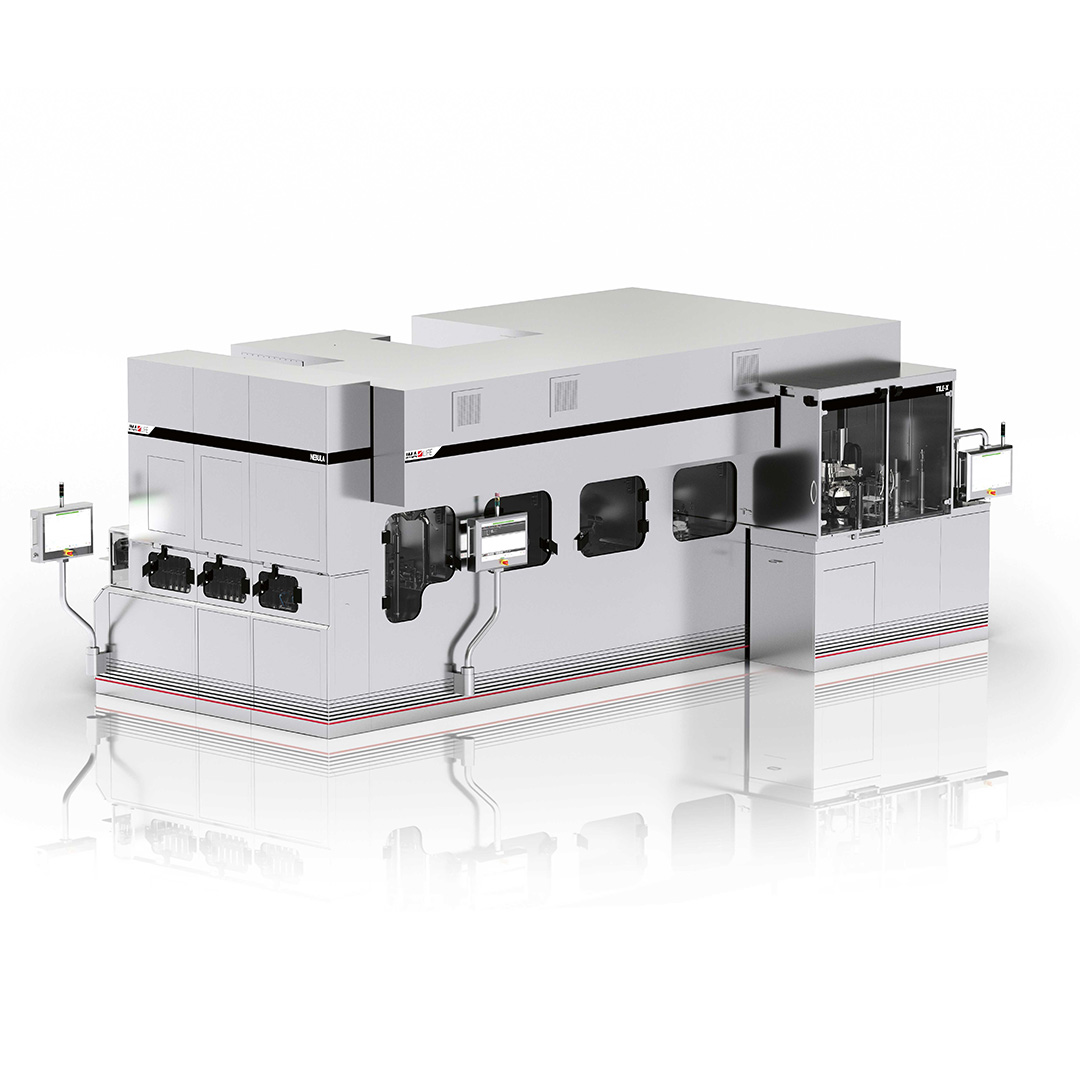
TILE-X is a ground-breaking innovation in the fill-finish process, designed to handle Ready-To-Use components using magnetic levitation.
8 min
Brands: IMA Life, IMA S.p.A. – LIFE Division Bologna
6 min
Brands: IMA S.p.A. – LIFE Division Bologna, IMA Life
White paper
The success of freeze-drying.
18 min
Brands: IMA S.p.A. – LIFE Division Bologna, IMA Life North America Inc.
10 min
Brands: IMA S.p.A. – LIFE Division Bologna
6 min
Brands: IMA Life, IMA S.p.A. – LIFE Division Bologna