Case study
High-shear mixing of dry powders for inhalation: the influence of magnesium stearate in the pre-blending.
-
Reading time 5 min
-
A study by

-
In collaboration with:

Introduction
The manufacturing of dry powder inhalers (DPIs) involves blending a fine active pharmaceutical ingredient (API) with larger carrier particles, typically lactose, to achieve a homogeneous mixture. The objective is to ensure adequate adhesion of API particles to the carrier, allowing detachment upon inhalation for efficient pulmonary drug delivery. This process necessitates precise control of variables such as mixing energy, duration, speed, and the sequence of ingredient addition to optimise performance and avoid issues such as insufficient adhesion or excessive agglomeration.
This study aimed to investigate the influence of the ingredient addition sequence on the performance of ternary blends comprising API, carriers, and additives. Specifically, two different blending procedures (Process A and Process B) were evaluated, focusing on their impact on blend uniformity (BU%) and blend uniformity relative standard deviation (BU RSD%) in the final formulations.
Materials and methods
Active and excipients
All lactose grades were provided by Meggle GmbH Co. KG (Germany), Glycopyrronium bromide (GPB) was procured from INKE S.A. (Spain) and Magnesium Stearate (MgSt, Ligamed MF-2-V PREMIUM-MB) was sourced from Peter Greven by courtesy of Giusto Faravelli (Italy). HPMC capsules were obtained from Lonza (France).
Equipment
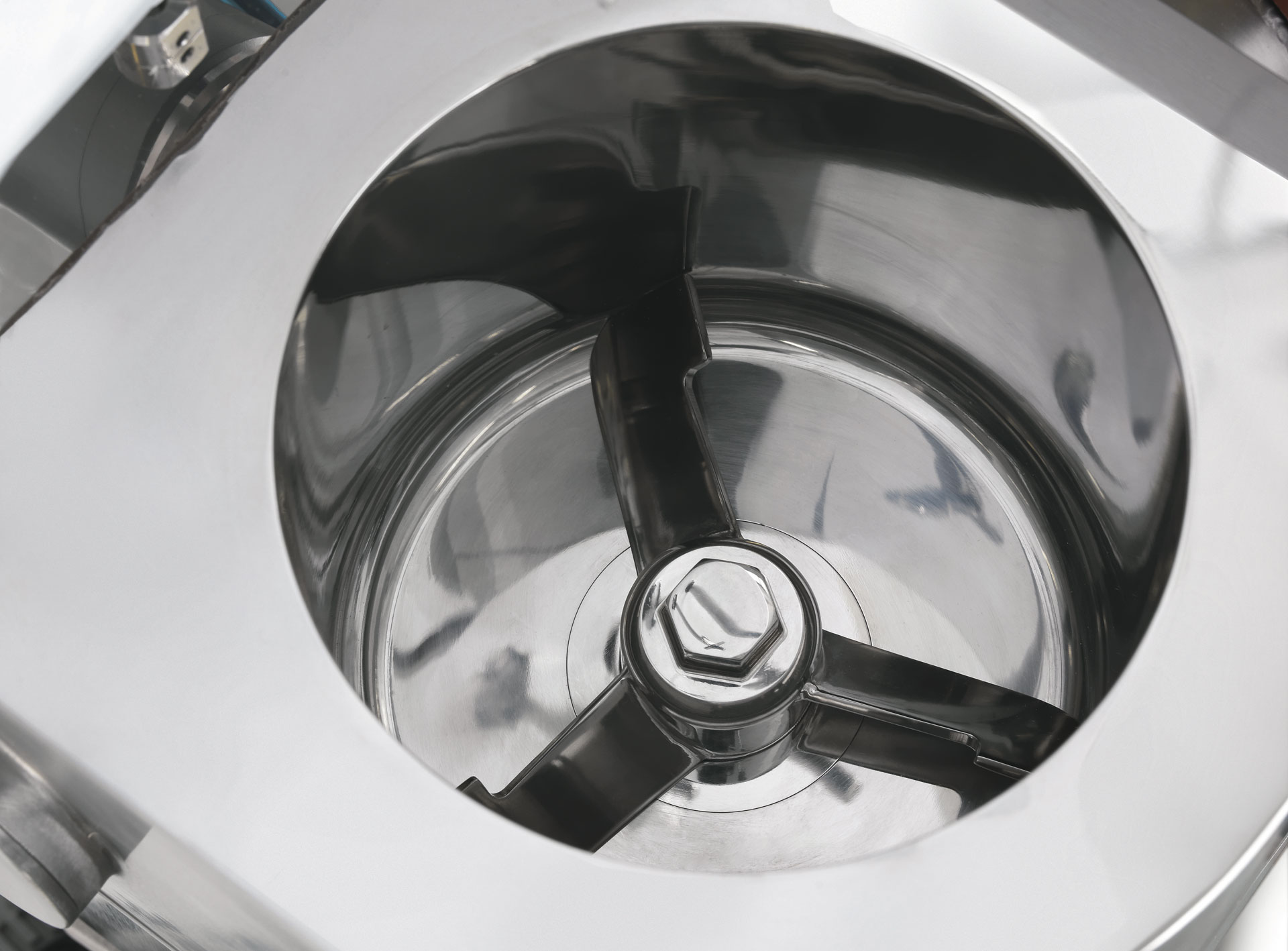
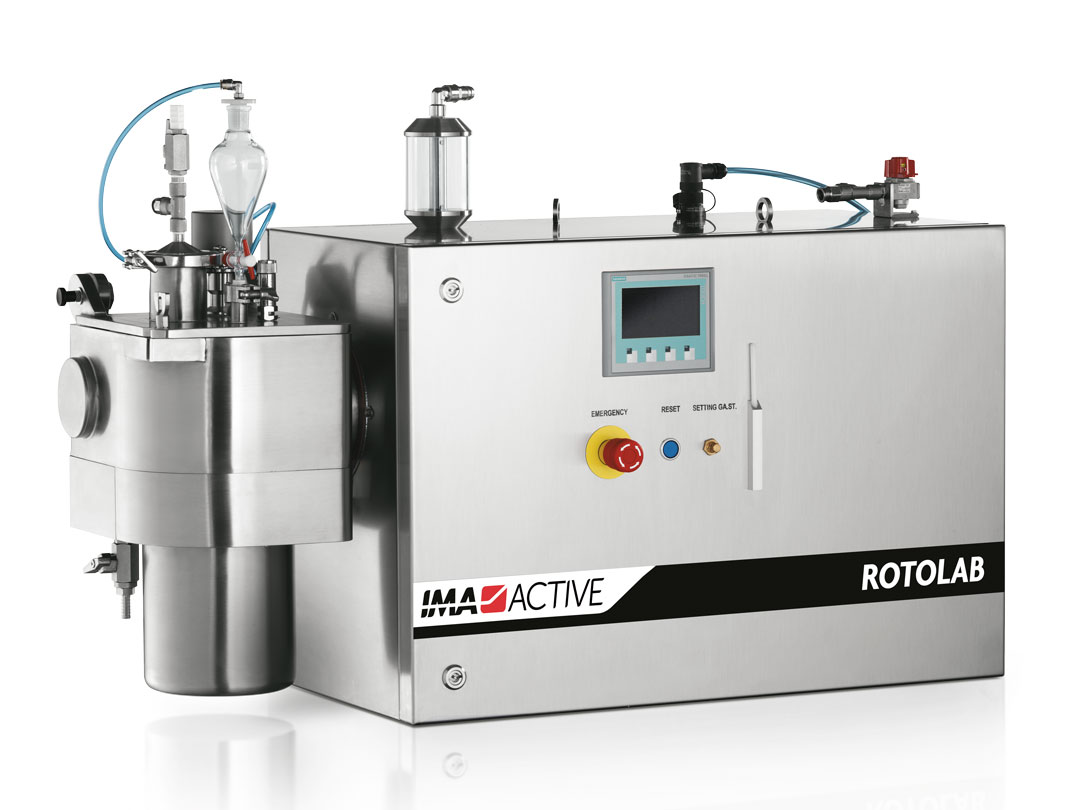
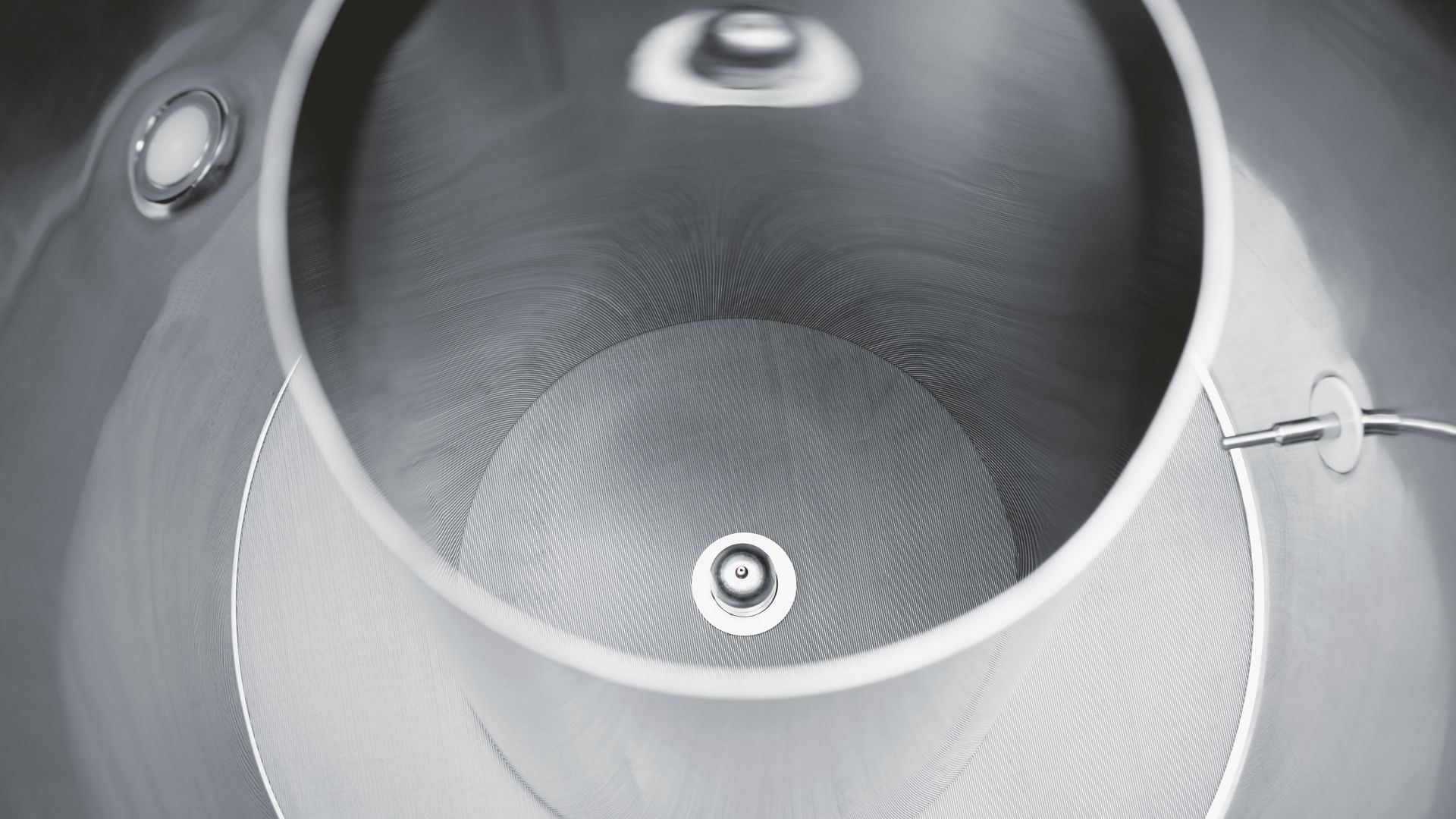
ROTOLAB (IMA, Italy) is a small scale high-shear mixer mainly known as a wet granulation single-pot processor for R&D purposes, such as formulation and scale-up studies to support technology transfer and easily meet production requirements. It can manage dry mixing providing high level of energy since the impeller can rotate up to 10 m/s by assuring consistent and uniformly mixed blends preventing agglomerations.
Preparation of formulations
The lactose blends and the API formulations were manufactured with the ROTOLAB. Lactose grades and Magnesium Stearate were sieved before blending and the resulting lactose blend was sieved again after the blending process. The final formulations were again sieved to eliminate remaining agglomerates.
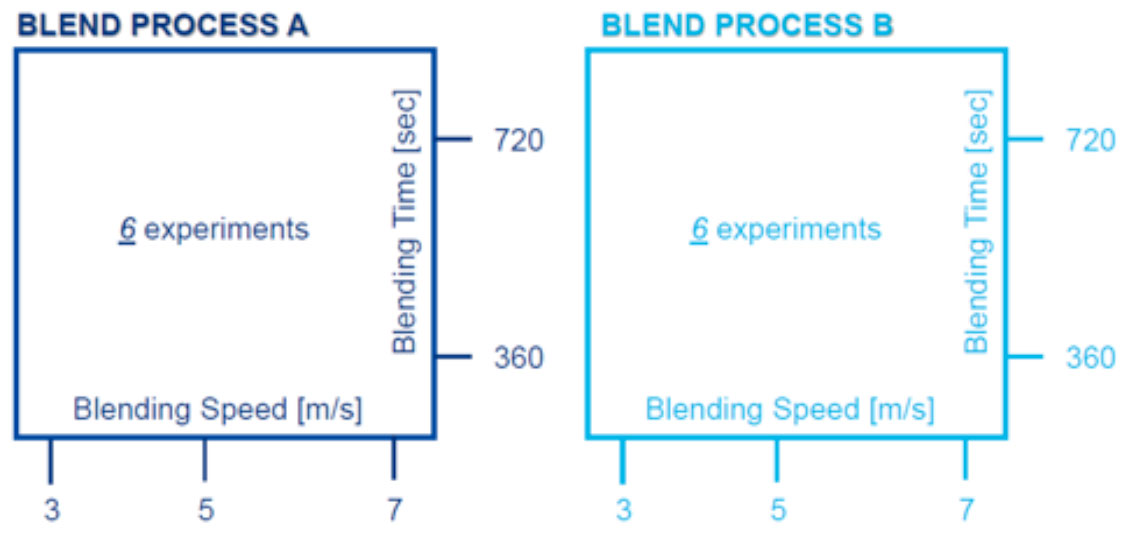
Process A: InhaLac® 140 (coarse lactose), InhaLac® 500 (fine lactose) and Magnesium Stearate were pre-blended in one step. In a second step, GPB was added in a sandwich method and blended (Graph 1).
Process B: InhaLac® 140 and InhaLac® 500 were pre-blended. In a second step, Magnesium Stearate was added. Successively, the GPB was blended in a sandwich method (Graph 1).
Blend Uniformity (BU)
To evaluate the homogeneity of the API content, Blend Uniformity of each final formulation was analysed. Ten samples were taken from each blend from different positions, quantified by HPLC and API content and RSD were determined.
Content Uniformity (CU)
Four blends were tested for Content Uniformity. These blends were filled in HPMC capsules with the MINIMA (IMA, Italy), an extremely precise table-top capsule filler with a single dosator, designed to dose DPIs or solid products for oral administration in hard capsules.
Filled capsules were equilibrated for 2 weeks before CU testing.
Results and discussion
A 2×3 factorial design of experiments (Graph 1) was applied for blending of the final formulation. The parameters (time, speed) of the Lactose-Magnesium Stearate blends for Process A and B were similar but the order of addition changed. Impeller speed (3, 5 and 7 m/s) and mixing time (360 and 720 s) were selected as variables for the API blends manufacturing.
Sieving
Sieving is critical for DPIs manufacturing because it ensures the uniformity and quality of the API and carrier particles. Based on this, all components were sieved priorly to be loaded. As well as all the pre-blends and final API blends were also sieved at loading and once discharged.
Blend Uniformity (BU)
The BU of all blends were within the acceptable range of 90-110% of target. It was shown that blending time and speed have an influence on BU including the process method (addition of Magnesium Stearate).
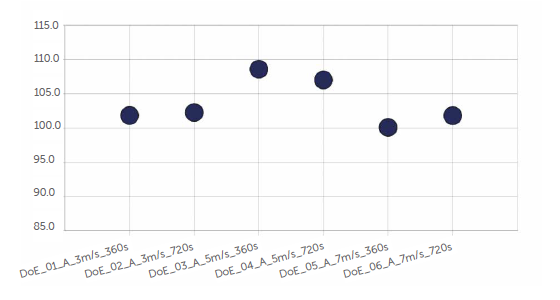
| D.o.E. 1 | D.o.E. 2 | D.o.E. 3 | D.o.E. 4 | D.o.E. 5 | D.o.E. 6 | |
Graph 2: BU testing of Process A with RSD BU [%]. | ||||||
| RSD BU [%] | 7.1 | 8.4 | 7.6 | 3.0 | 2.3 | 5.0 |
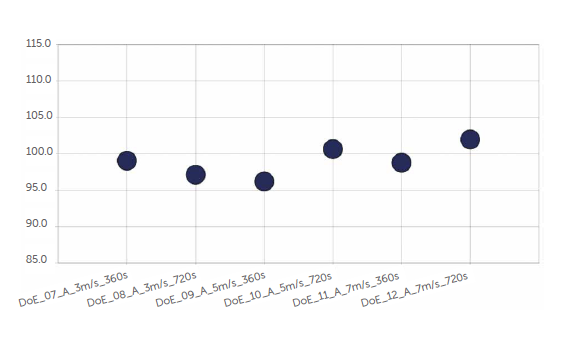
| D.o.E. 7 | D.o.E. 8 | D.o.E. 9 | D.o.E. 10 | D.o.E. 11 | D.o.E. 12 | |
Graph 3: BU Testing of Process B with RSD BU [%]. | ||||||
| RSD BU [%] | 4.9 | 2.7 | 2.7 | 4.8 | 4.2 | 4.6 |
Content Uniformity (CU)
The effect of the various blending parameters could also be demonstrated on capsules CU. The mixtures with the lowest and highest energy input had a higher RSD. D.o.E. 3 and 4 had an acceptable RSD.
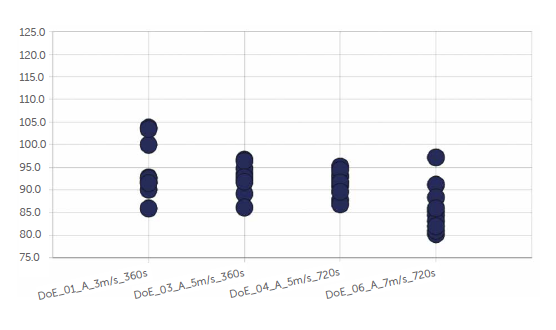
| D.o.E. 1 | D.o.E. 3 | D.o.E. 4 | D.o.E. 6 | |
Graph 4: CU testing of Process A capsules with RSD CU. | ||||
| RSD CU [%] | 6.3 | 3.5 | 3.0 | 6.1 |
Conclusion
The study demonstrated that all blends achieved Blend Uniformity within the acceptable range of 90–110% of the target. However, blending parameters such as time, speed and the process (specifically the method of Magnesium Stearate addition) were shown to significantly impact the uniformity. Process B generally resulted in lower Relative Standard Deviation (RSD%) values for BU compared to Process A, indicating a more consistent blending performance.
ROTOLAB is a laboratory-scale single-pot processor for R&D purposes, such as formulation and scale-up studies to support technology transfer and easily meet production requirements.
IMA S.p.A. – Active Division
White paper
Effervescent tablet processing and packaging: why integrated lines are shaping the future.
6 min
Brands: IMA S.p.A. – Active Division, IMA Active
6 min
Brands: IMA Active, IMA S.p.A. – Active Division
White paper
ARCA: AI Root Cause Analysis.
8 min
Brands: IMA Active, IMA S.p.A. – Active Division
13 min
Brands: IMA S.p.A. – Active Division, IMA Active
7 min
Brands: IMA S.p.A. – Active Division, IMA Active
12 min
Brands: IMA S.p.A. – Active Division
White paper
The Energy Diary: powering sustainability.

6 min
Brands: IMA Active, IMA S.p.A. – Active Division
10 min
Brands: IMA Active, IMA S.p.A. – Active Division
15 min
Brands: IMA S.p.A. – Active Division, IMA Active
10 min
Brands: IMA S.p.A. – Active Division, IMA Active
11 min
Brands: IMA Active, IMA S.p.A. – Active Division
Case study
Algorithm: «Why we choose IMA».
3 min
Brands: IMA Active, IMA S.p.A. – Active Division
5 min
Brands: IMA Active, IMA S.p.A. – Active Division
7 min
Brands: IMA Active, IMA S.p.A. – Active Division
5 min
Brands: IMA Active, IMA S.p.A. – Active Division
5 min
Brands: IMA Active, IMA S.p.A. – Active Division
Case study
ARIA fluid bed granulator and MicroNIR
8 min
Brands: IMA Active, IMA S.p.A. – Active Division
5 min
Brands: IMA Active, IMA S.p.A. – Active Division