White paper
Empowering customer process excellence: the complete guide to the IMA Active Competence Center e-learning Academy.
-
Reading time 6 min
-
A study by

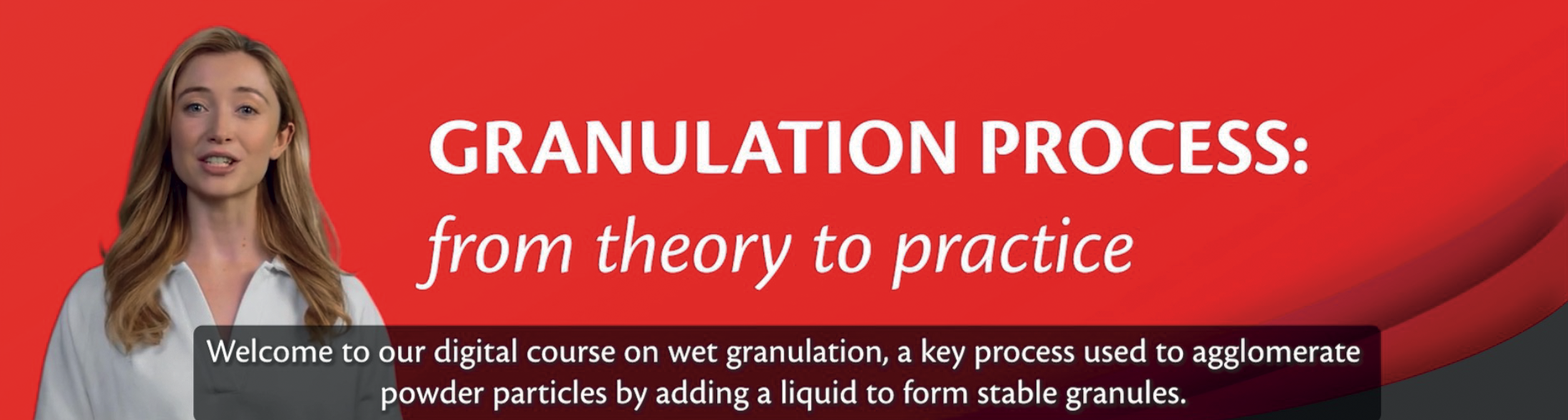
The IMA Active Competence Center Academy is a comprehensive digital learning ecosystem designed to transfer high-level pharmaceutical process expertise directly to customers. More than a traditional e-learning platform, the Academy represents a strategic knowledge transfer initiative aimed at strengthening operational autonomy, accelerating onboarding and preserving process know-how across solid dose manufacturing environments.
Strategic vision and educational philosophy
The Academy has been conceived with a clear strategic objective: to ensure that customers not only operate IMA Active equipment efficiently, but deeply understand the scientific, technological and process principles behind it. This approach transforms training from basic operational instruction into structured competence development. By embedding process theory, machine design logic, parameter interaction and troubleshooting methodology into a single digital pathway, the Academy supports companies facing common industry challenges such as workforce turnover, retirement of experienced operators, globalisation of production sites and the need for rapid qualification of new hires.
Platform architecture and learning structure
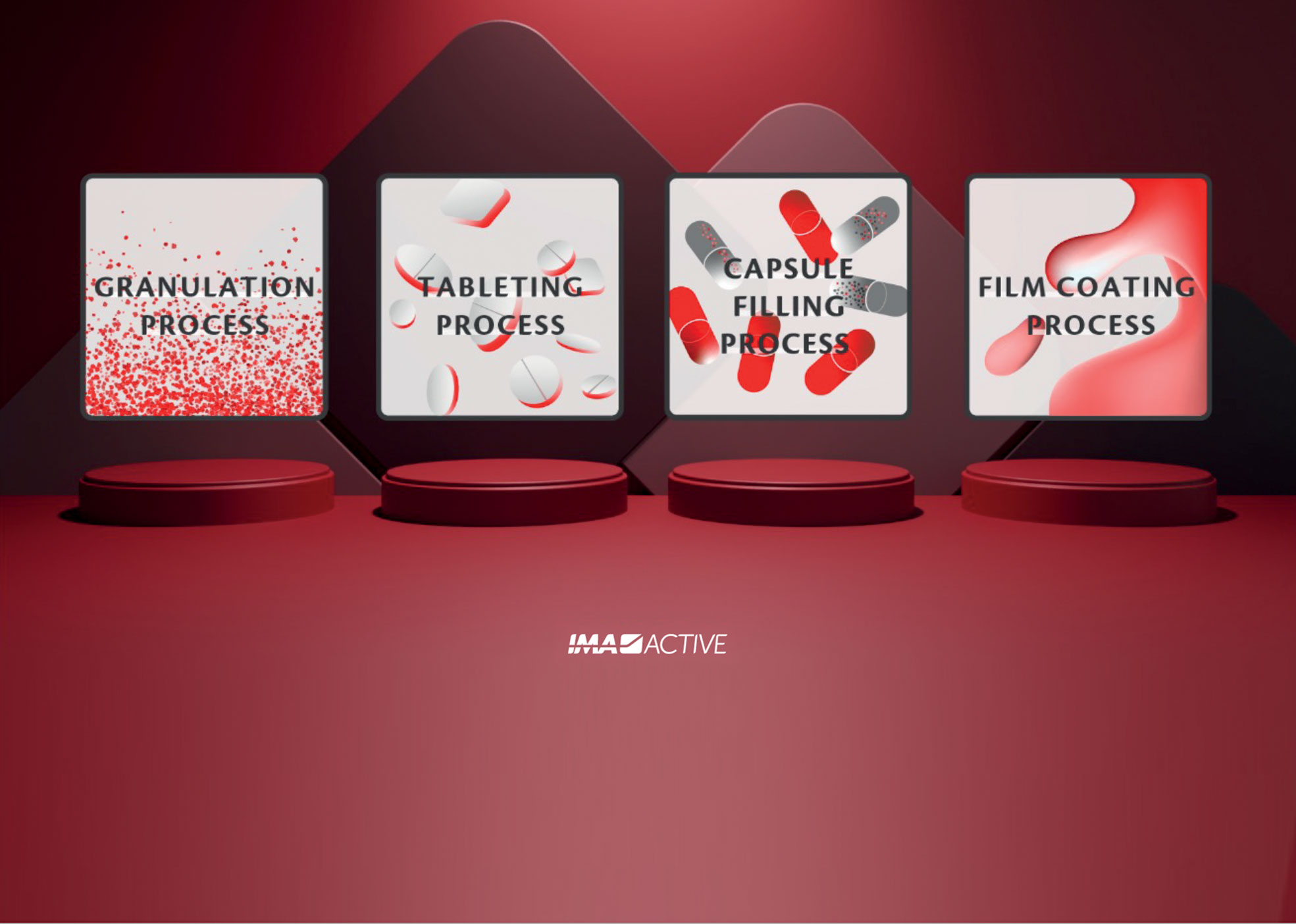
The Competence Center Academy is organised into four core process training programs:
• Granulation
• Tableting
• Capsule filling
• Coating
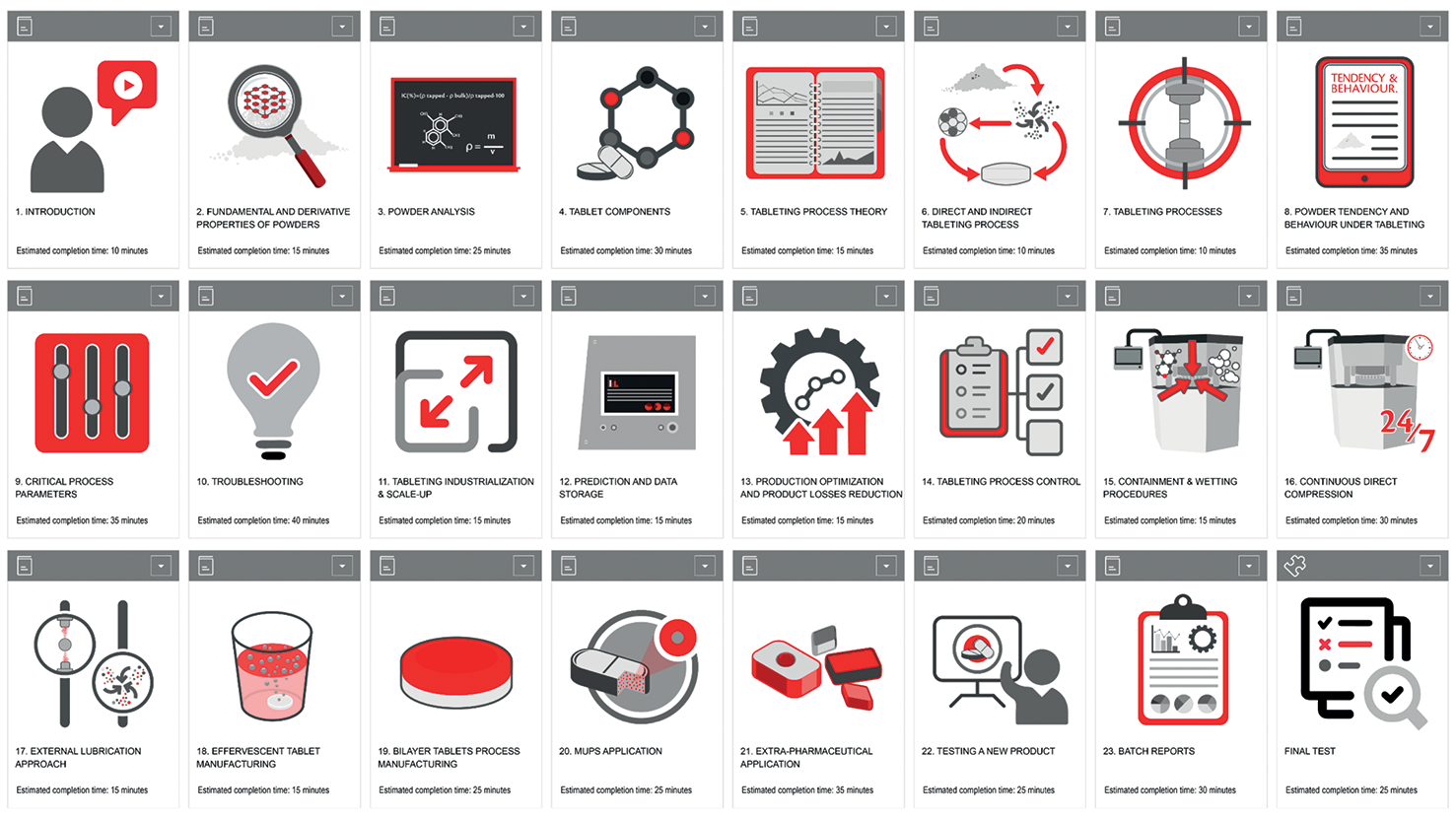
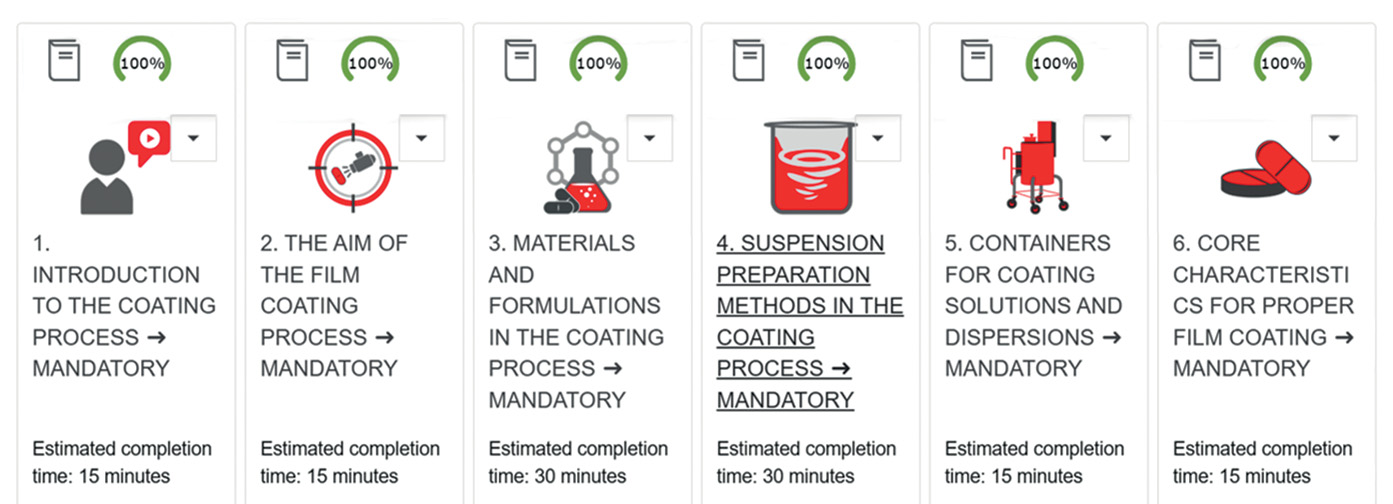
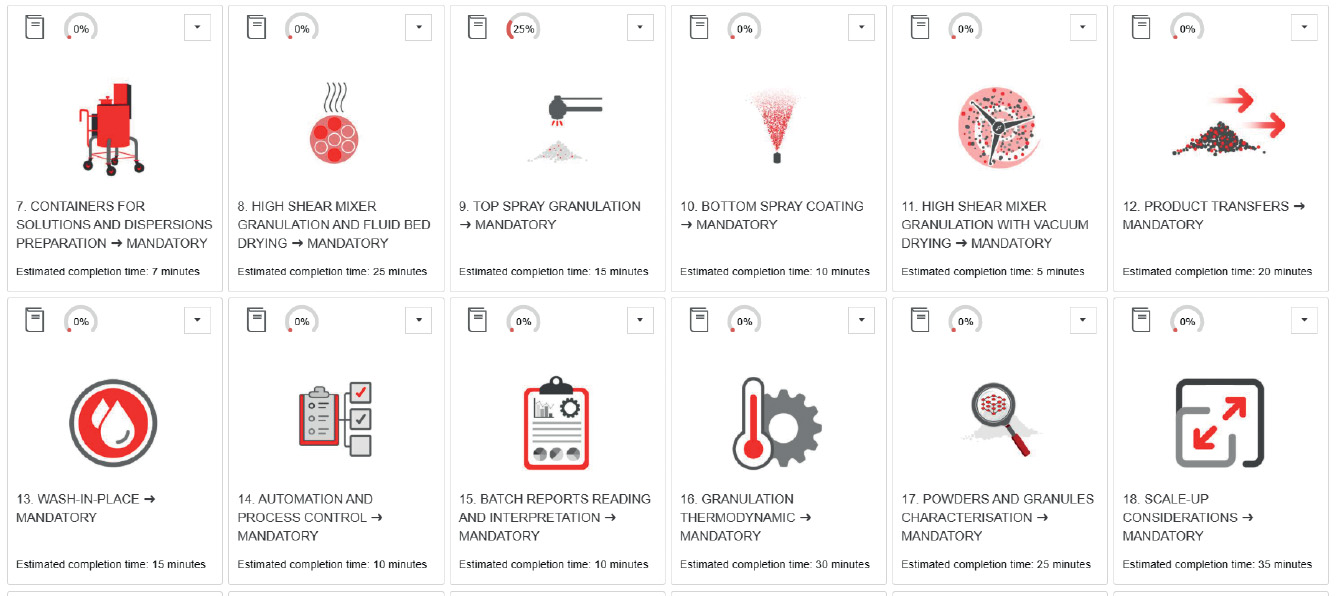
Each training program follows a standardised structure to ensure consistency and ease of navigation. The learner is guided through clearly defined chapters, some of them marked as mandatory when completion is required to access the final questionnaire. This guarantees that foundational knowledge is consolidated before moving on to advanced topics.
Each chapter displays an estimated completion time, enabling learners and managers to plan training schedules effectively. This transparency supports integration into corporate training programs and production planning without disrupting operational activities.
Detailed chapter organisation
Within each process training, the modules are typically structured as follows:
• Process fundamentals: covering scientific principles and formulation basics.
• Equipment architecture: explaining mechanical design and functional assemblies.
• Critical Process Parameters (CPPs): detailing parameter influence and interaction.
• Process optimisation: strategies for maximising efficiency and quality.
• Troubleshooting: systematic problem-solving methodologies.
• Best practices and safety: operational excellence and compliance considerations.
This layered structure ensures that learners move from conceptual understanding to applied competence in a logical progression.
Interactive learning elements
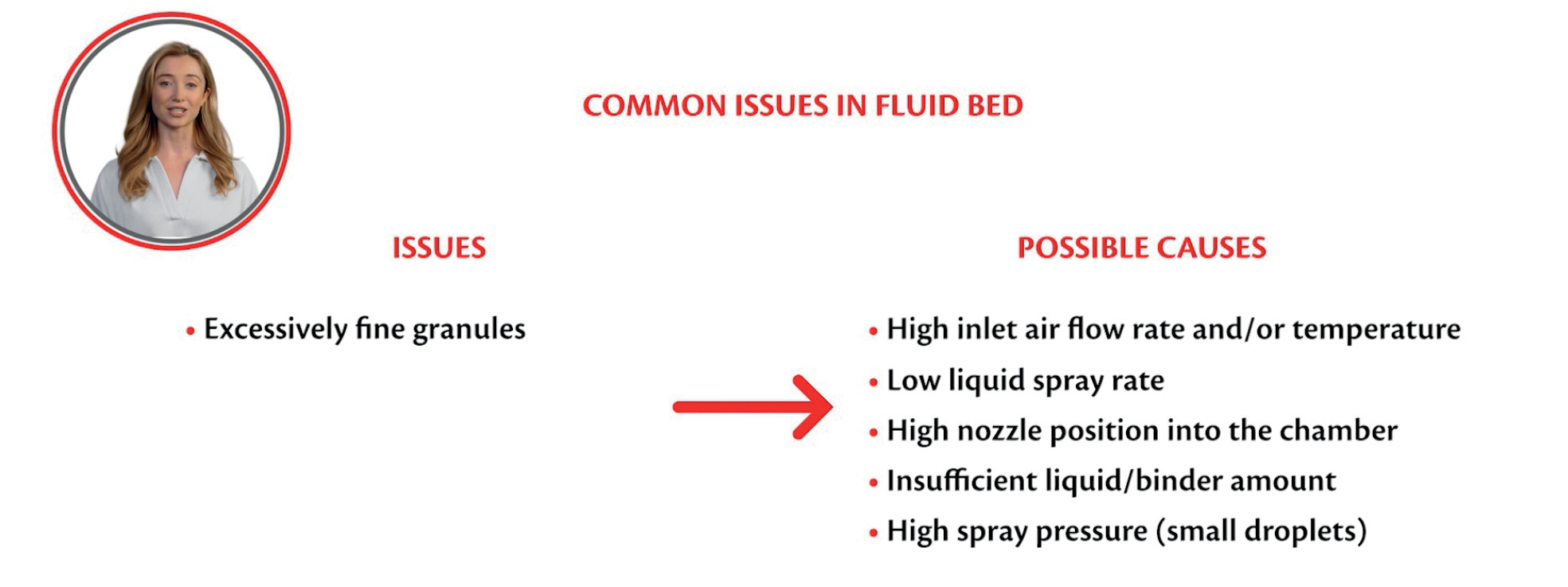
The Academy is designed to actively engage learners rather than provide passive content consumption. Throughout the modules, interaction is required at multiple points to reinforce learning.
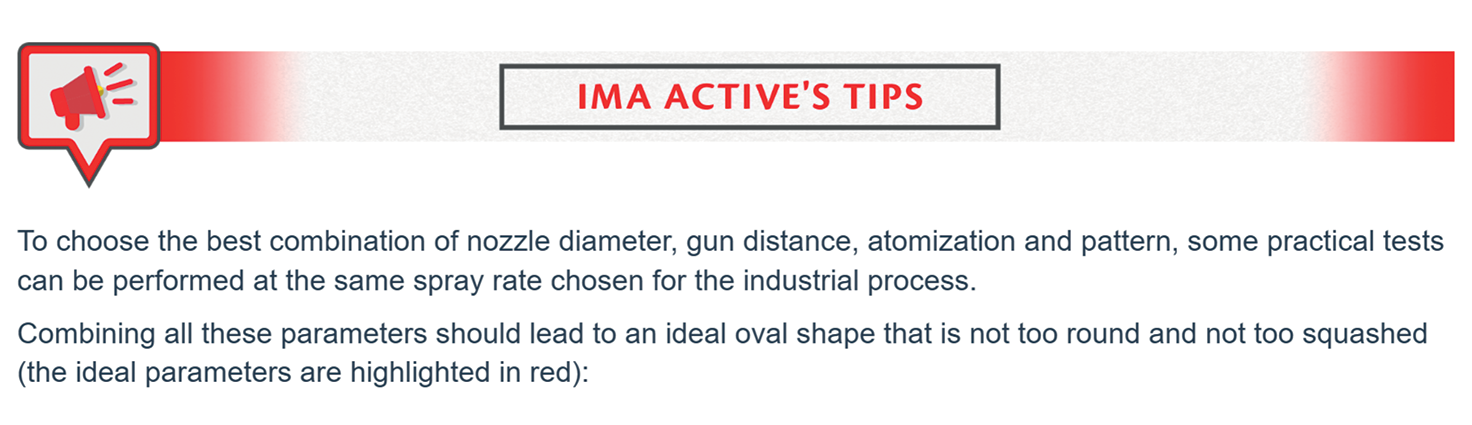
IMA Active Tips are strategically positioned within lessons to provide real-world insights derived from field experience. These tips bridge theoretical explanations with practical application, highlighting common operational pitfalls and best-in-class solutions.
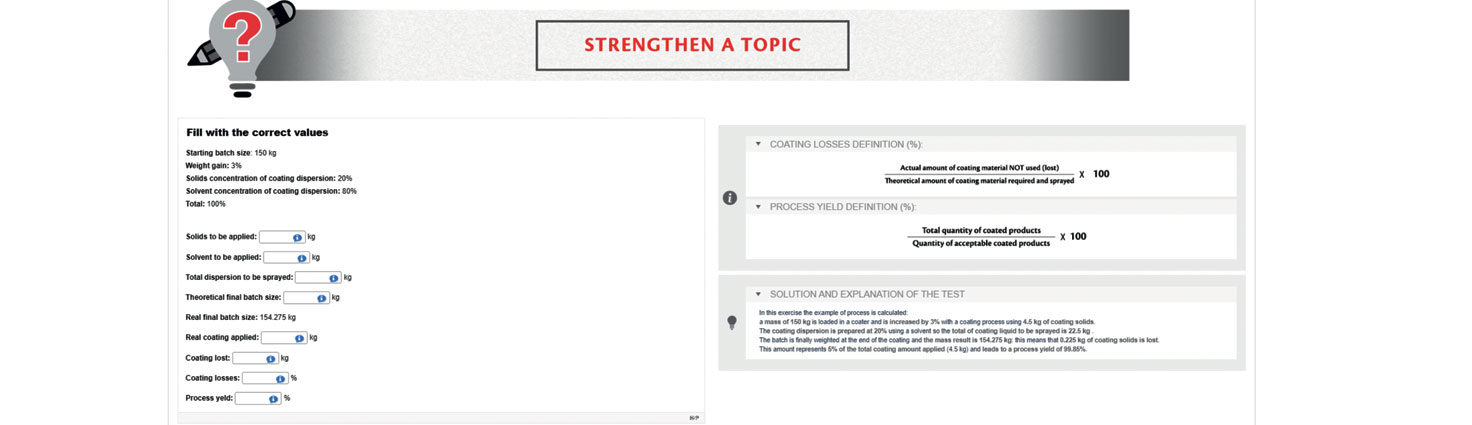
Strengthen a topic” sections appear after critical concepts. These micro-reinforcement modules allow learners to revisit key information before progressing, reducing knowledge gaps and improving retention.
Interactive checkpoints require learners to confirm understanding before unlocking subsequent sections. This ensures engagement and prevents superficial course completion.
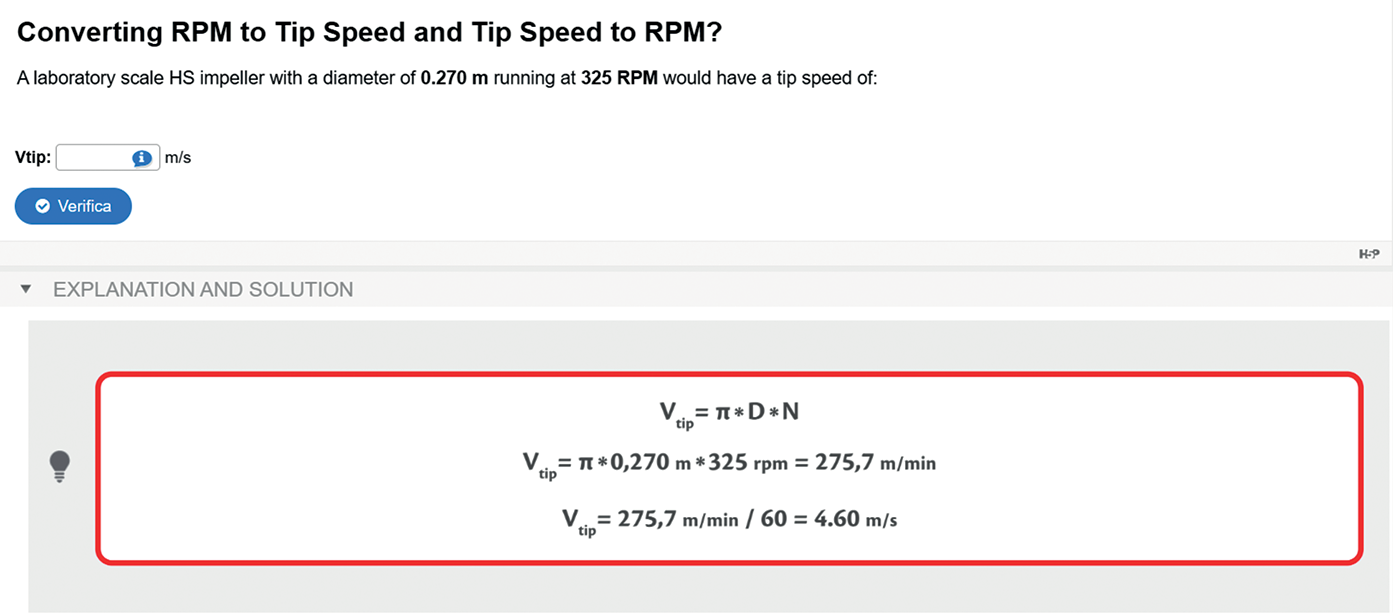
Figure 6: example of interaction points and “strengthen a topic”.
Case studies and applied learning
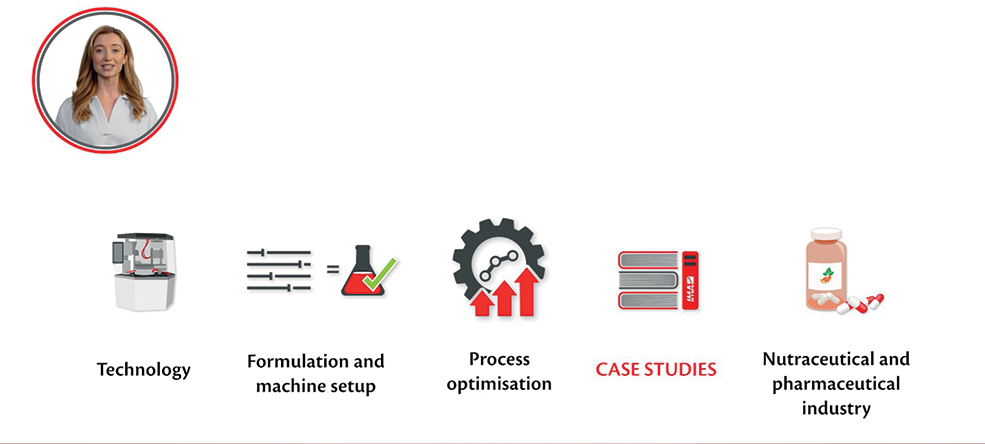
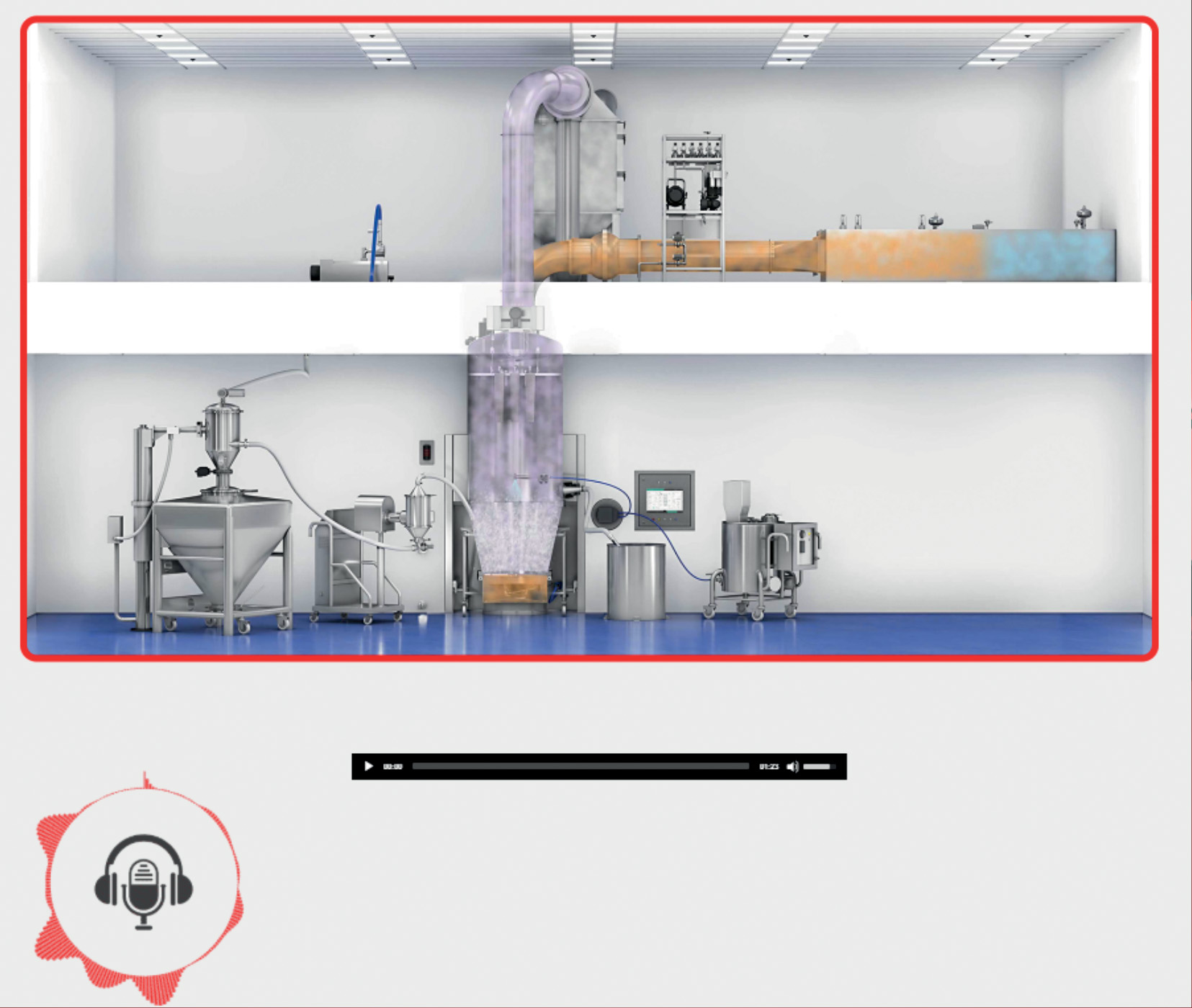
A defining feature of the Academy is the integration of realistic case studies. These scenarios simulate production challenges such as parameter deviation, product defects, yield variation, or quality and compliance issues.
Trainees are guided through a structured analytical process where they must identify root causes, select corrective actions, and evaluate outcomes. This transforms theoretical knowledge into decision-making competence.
Each process training concludes with a comprehensive final quiz.
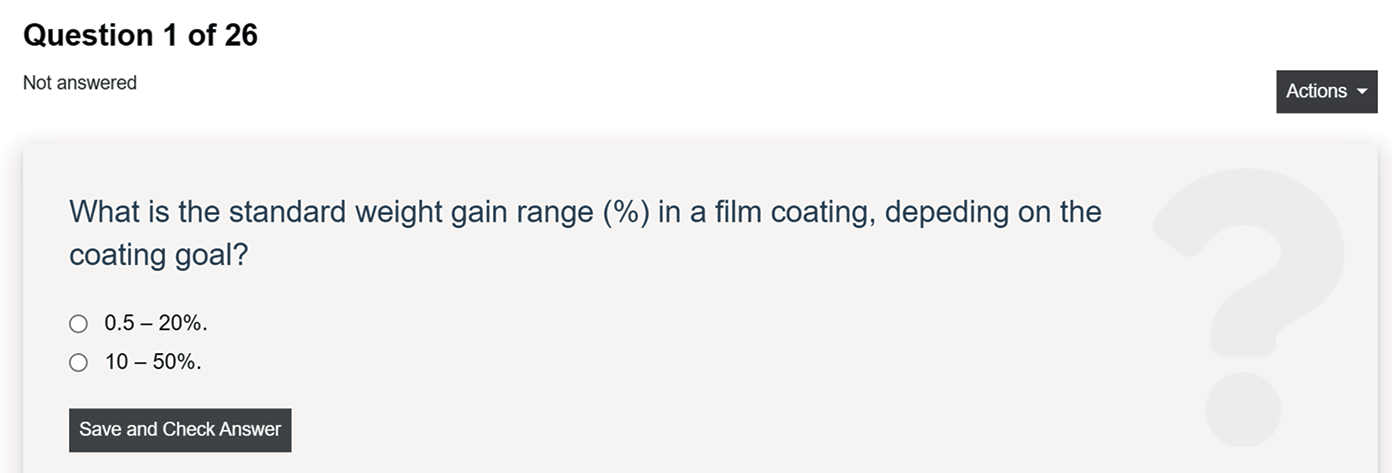
The assessment evaluates understanding across all mandatory chapters and covers:
• Process theory
• Equipment functionality
• Parameter impact
• Troubleshooting logic
• Operational best practices
Successful completion confirms knowledge acquisition and provides measurable evidence of competence. This supports internal qualification frameworks and global standardisation across manufacturing sites.
Support for workforce continuity and turnover
One of the most strategic advantages of the Competence Center Academy is its role in mitigating the risks associated with workforce turnover. Pharmaceutical manufacturing relies heavily on accumulated experiential knowledge. When experienced operators leave, organisations risk losing critical expertise.
By codifying process knowledge into structured digital training, IMA Active ensures that expertise becomes institutional rather than individual. New hires can be onboarded faster, retraining becomes standardised, and operational consistency is preserved.
Managerial and organisational benefits
The platform supports managers by offering visibility into training progress, completion status of mandatory modules and certification outcomes. This facilitates compliance with internal quality systems and external regulatory expectations.
Training can be integrated into onboarding programs, continuous improvement initiatives and technical upskilling strategies. The Academy thus becomes a long-term competence development partner rather than a one-time training intervention: the platform is updated by IMA experts every year based on innovation in OSD processes
User experience and accessibility
The digital interface of the e-learning platform is designed for clarity, intuitive navigation and modular learning. Learners can progress at their own pace and no mandatory sequencing is requested, just common sense. Content is organised visually to facilitate quick identification of chapters, progress status and interactive components.
This structure enables global accessibility and consistent knowledge dissemination across multiple production sites.
Long-term partnership approach
The Competence Center Academy reflects IMA Active’s commitment to customer success beyond equipment supply. By combining advanced machinery with structured competence transfer, IMA Active strengthens long-term partnerships built on shared performance objectives.
Through this initiative, customers gain not only operational efficiency, but a scalable, repeatable framework for sustaining process excellence over time.
Conclusion
The IMA Active Competence Center Academy represents a forward-looking model of industrial education. By integrating structured theory, practical insight, interactive reinforcement, case-based application and validated assessment, the platform elevates training into a strategic capability. In a pharmaceutical environment characterised by increasing complexity and talent mobility, the Academy ensures that critical process knowledge remains protected, accessible and continuously developed.
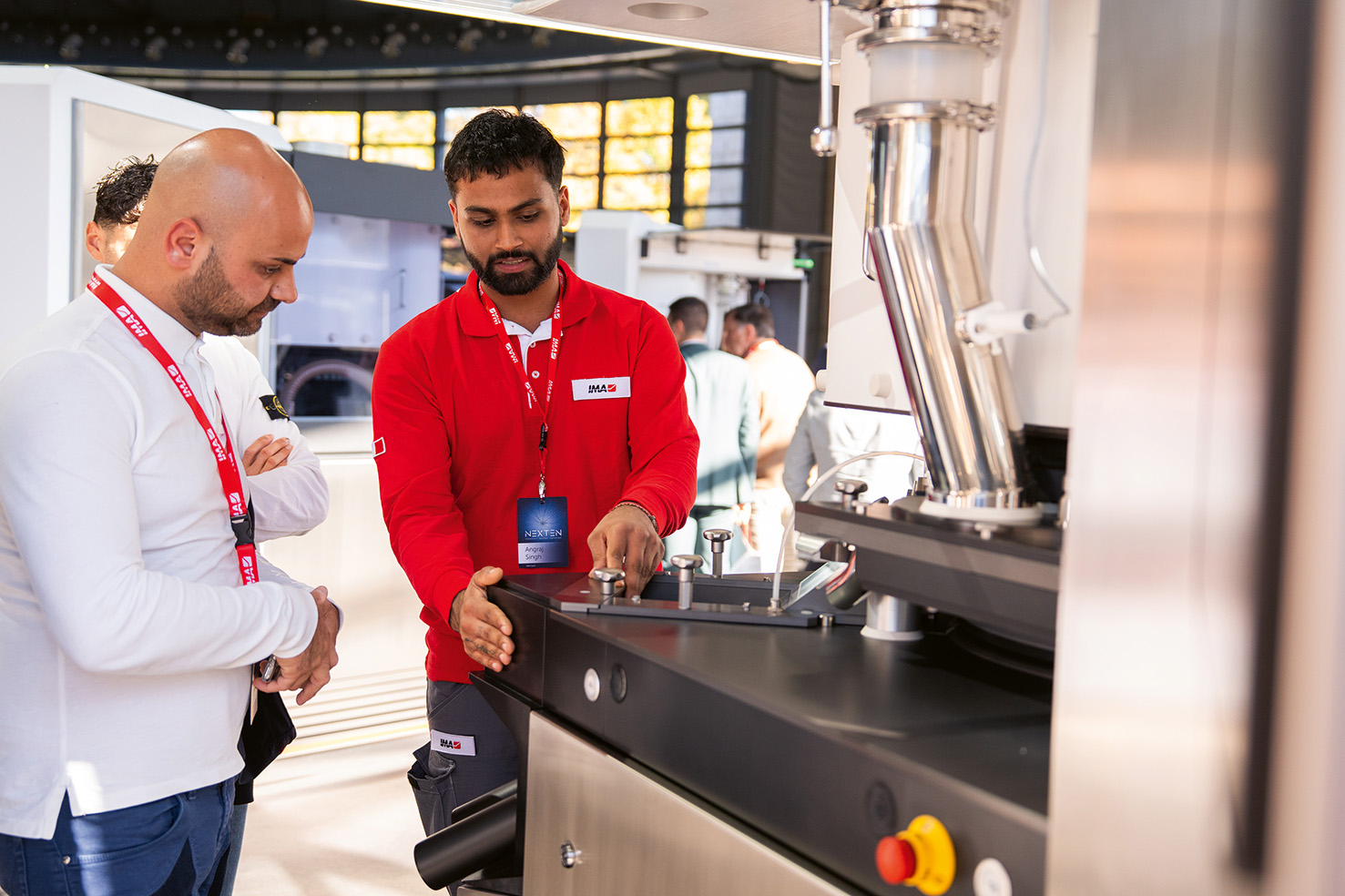
The presence of an expert at the customer facility is always possible to increase the value of the knowledge acquired with e-learning training.
4 min
Brands: IMA North America Inc. – Thomas Division, IMA Active
White paper
Effervescent tablet processing and packaging: why integrated lines are shaping the future.
6 min
Brands: IMA S.p.A. – Active Division, IMA Active
White paper
ARCA: AI Root Cause Analysis.
8 min
Brands: IMA Active, IMA S.p.A. – Active Division
5 min
Brands: IMA Active, IMA S.p.A. – Active Division
Case study
AMIX Nutrition and IMA Active: technological evolution supporting next generation sports nutrition.
5 min
Brands: IMA Active, IMA S.p.A. – Active Division
6 min
Brands: IMA Active, IMA S.p.A. – Active Division
13 min
Brands: IMA S.p.A. – Active Division, IMA Active
White paper
Sustainability benefits of Near-Infrared (NIR) integrated powder blending in pharmaceutical manufacturing.
7 min
Brands: IMA Active, IMA S.p.A. – Active Division
5 min
Brands: IMA S.p.A. – Active Division, IMA Active
7 min
Brands: IMA S.p.A. – Active Division, IMA Active
7 min
Brands: IMA Active, IMA S.p.A. – Active Division
6 min
Brands: IMA S.p.A. – Active Division, IMA Active
12 min
Brands: IMA S.p.A. – Active Division
11 min
Brands: IMA Active, IMA S.p.A. – Active Division
8 min
Brands: IMA Active, IMA S.p.A. – Active Division
11 min
Brands: IMA Active, IMA S.p.A. – Active Division
Case study
Vitabalans Oy chooses PREXIMA.
4 min
Brands: IMA Active, IMA S.p.A. – Active Division
16 min
Brands: IMA S.p.A. – Active Division, IMA Active
12 min
Brands: IMA S.p.A. – Active Division, IMA Active
9 min
Brands: IMA S.p.A. – Active Division, IMA Active
25 min
Brands: IMA S.p.A. – Active Division, IMA Active
20 min
Brands: IMA S.p.A. – Active Division, IMA Active
20 min
Brands: IMA S.p.A. – Active Division, IMA Active
White paper
The Energy Diary: powering sustainability.

6 min
Brands: IMA Active, IMA S.p.A. – Active Division
10 min
Brands: IMA Active, IMA S.p.A. – Active Division
4 min
Brands: IMA Active, IMA North America Inc. – Thomas Division, IMA S.p.A. – Active Division
12 min
Brands: IMA Active, IMA S.p.A. – Active Division
8 min
Brands: IMA S.p.A. – Active Division, IMA Active
10 min
Brands: IMA S.p.A. – Active Division, IMA Active
10 min
Brands: IMA Active, IMA S.p.A. – Active Division
14 min
Brands: IMA Active, IMA S.p.A. – Active Division
6 min
Brands: IMA S.p.A. – Active Division, IMA Active
11 min
Brands: IMA S.p.A. – Active Division, IMA Active
6 min
Brands: IMA S.p.A. – Active Division, IMA Active
14 min
Brands: IMA S.p.A. – Active Division, IMA Active
15 min
Brands: IMA S.p.A. – Active Division, IMA Active
10 min
Brands: IMA S.p.A. – Active Division, IMA Active
17 min
Brands: IMA S.p.A. – Active Division, IMA Active
5 min
Brands: IMA Active, IMA S.p.A. – Active Division
12 min
Brands: IMA S.p.A. – Active Division, IMA Active
13 min
Brands: IMA Active, IMA S.p.A. – Active Division
11 min
Brands: IMA Active, IMA S.p.A. – Active Division
11 min
Brands: IMA Active, IMA S.p.A. – Active Division
White paper
Influence of material and capsule filling process with Minima on aerosolization performances by DPIs.
12 min
Brands: IMA Active, IMA S.p.A. – Active Division
10 min
Brands: IMA Active, IMA S.p.A. – Active Division
6 min
Brands: IMA S.p.A. – Active Division, IMA Active
Case study
Algorithm: «Why we choose IMA».
3 min
Brands: IMA Active, IMA S.p.A. – Active Division
Case study
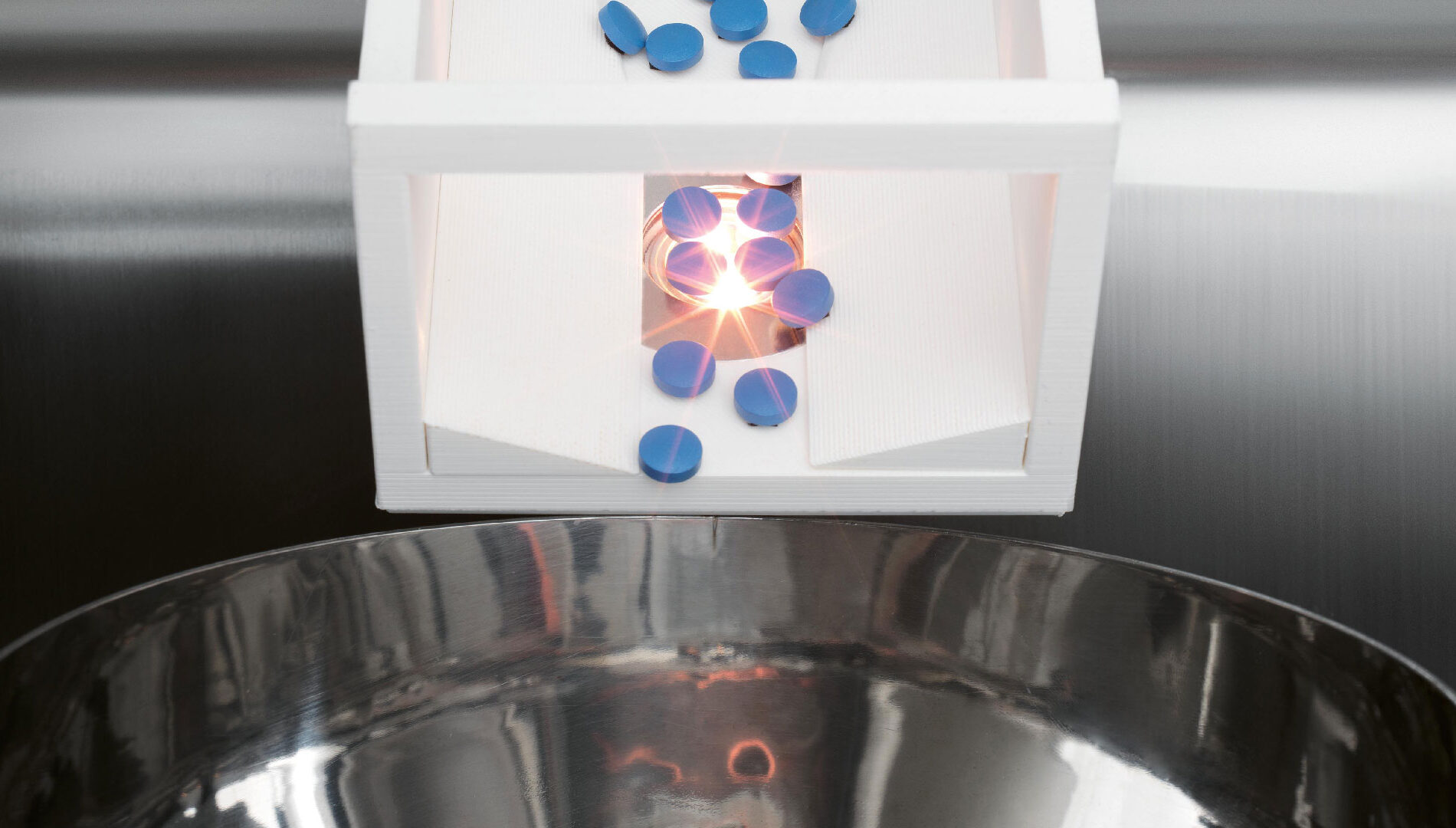
Tablets: the importance of uniform coating.
6 min
Brands: IMA Active, IMA S.p.A. – Active Division
White paper
IMA Active drives forward the successful uptake of Continuous Manufacturing in the pharmaceutical industry.
7 min
Brands: IMA Active, IMA S.p.A. – Active Division
18 min
Brands: IMA S.p.A. – Active Division, IMA Active
18 min
Brands: IMA Active, IMA S.p.A. – Active Division
30 min
Brands: IMA Active, IMA S.p.A. – Active Division
7 min
Brands: IMA S.p.A. – Active Division, IMA Active
4 min
Brands: IMA S.p.A. – Active Division, IMA Active
Case study
Mastering tablet manufacturing: how segment tools improve productivity, efficiency and consistency.
7 min
Brands: IMA Active, IMA S.p.A. – Active Division
34 min
Brands: IMA Active, IMA S.p.A. – Active Division
8 min
Brands: IMA Active, IMA S.p.A. – Active Division
2 min
Brands: IMA Active, IMA S.p.A. – Active Division
11 min
Brands: IMA Active, IMA S.p.A. – Active Division
White paper
Comparison of minitablets and pellets as multiparticulate drug delivery systems for controlled drug release.
24 min
Brands: IMA Active, IMA S.p.A. – Active Division
Case study
Lubricant sensitivity of direct compression grades of lactose in continuous batch tableting process.
33 min
Brands: IMA Active, IMA S.p.A. – Active Division
5 min
Brands: IMA Active, IMA S.p.A. – Active Division
5 min
Brands: IMA Active, IMA S.p.A. – Active Division
5 min
Brands: IMA Active, IMA S.p.A. – Active Division
5 min
Brands: IMA Active, IMA S.p.A. – Active Division
9 min
Brands: IMA Active, IMA S.p.A. – Active Division
White paper
Component washing: better with less.
8 min
Brands: IMA Active, IMA S.p.A. – Active Division
5 min
Brands: IMA Active, IMA S.p.A. – Active Division
White paper
New solutions for nutraceuticals.
5 min
Brands: IMA Active, IMA S.p.A. – Active Division
8 min
Brands: IMA Active, IMA S.p.A. – Active Division
17 min
Brands: IMA Active, IMA S.p.A. – Active Division
8 min
Brands: IMA Active, IMA S.p.A. – Active Division
8 min
Brands: IMA Active, IMA S.p.A. – Active Division
14 min
Brands: IMA Active, IMA S.p.A. – Active Division
7 min
Brands: IMA Active, IMA S.p.A. – Active Division
Case study
Food supplement revolution.
6 min
Brands: IMA Active, IMA S.p.A. – Active Division
White paper
CROMA continuous coater: saving energy and process time by using high solids coating material.
7 min
Brands: IMA Active, IMA S.p.A. – Active Division
7 min
Brands: IMA Active, IMA S.p.A. – Active Division

7 min
Brands: IMA Active, IMA S.p.A. – Active Division
Case study
Application of acrylic enteric coating directly on soft gelatine capsules using a GS coating pan.
6 min
Brands: IMA Active, IMA S.p.A. – Active Division
8 min
Brands: IMA S.p.A. – Active Division, IMA Active
6 min
Brands: IMA Active, IMA S.p.A. – Active Division
11 min
Brands: IMA Active, IMA S.p.A. – Active Division
12 min
Brands: IMA Active, IMA S.p.A. – Active Division
9 min
Brands: IMA Active, IMA S.p.A. – Active Division
6 min
Brands: IMA Active, IMA S.p.A. – Active Division
5 min
Brands: IMA Active, IMA S.p.A. – Active Division
White paper
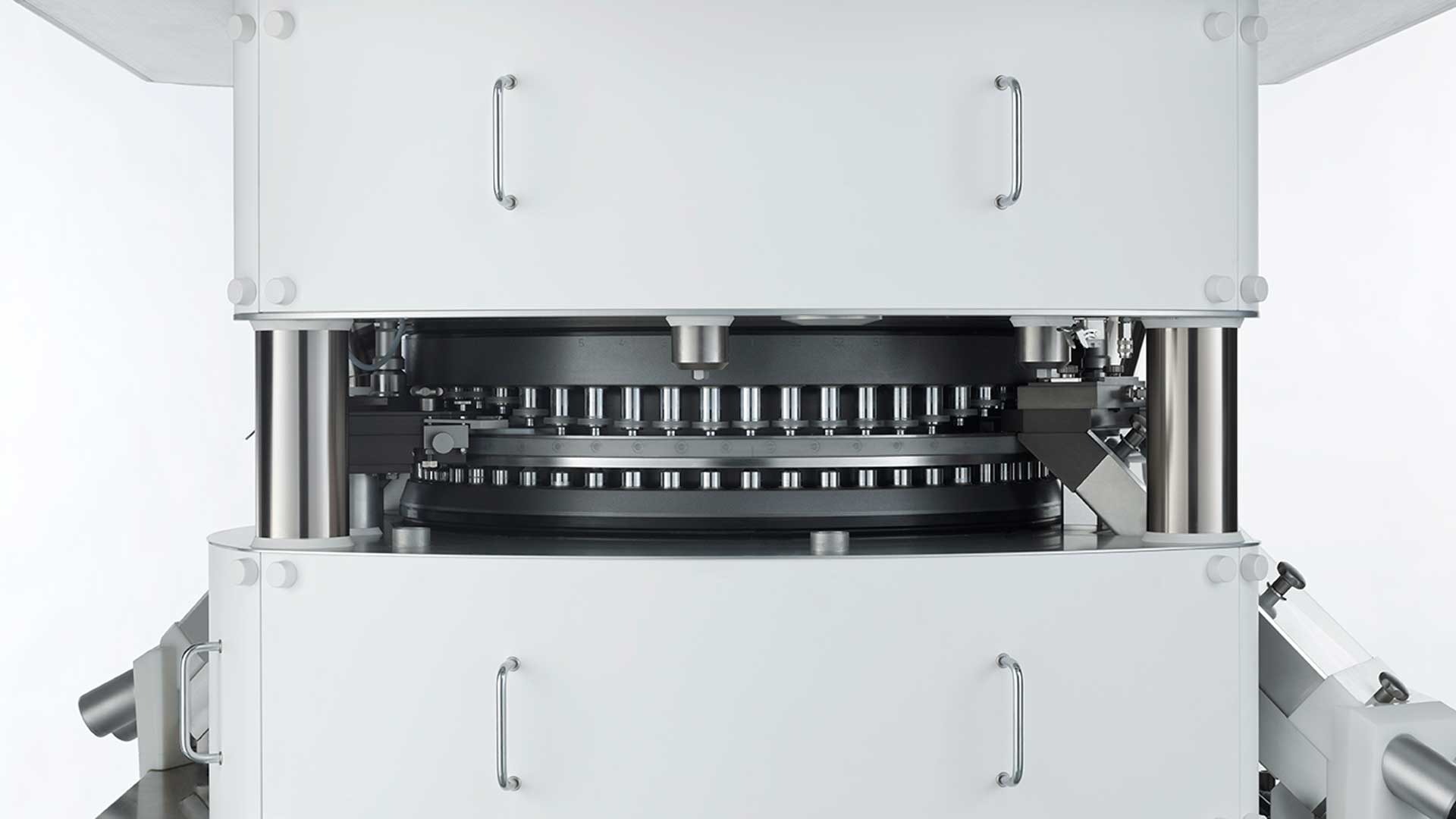
Formulating tablets layer by layer.
10 min
Brands: IMA Active, IMA S.p.A. – Active Division

8 min
Brands: IMA Active, IMA S.p.A. – Active Division
Case study
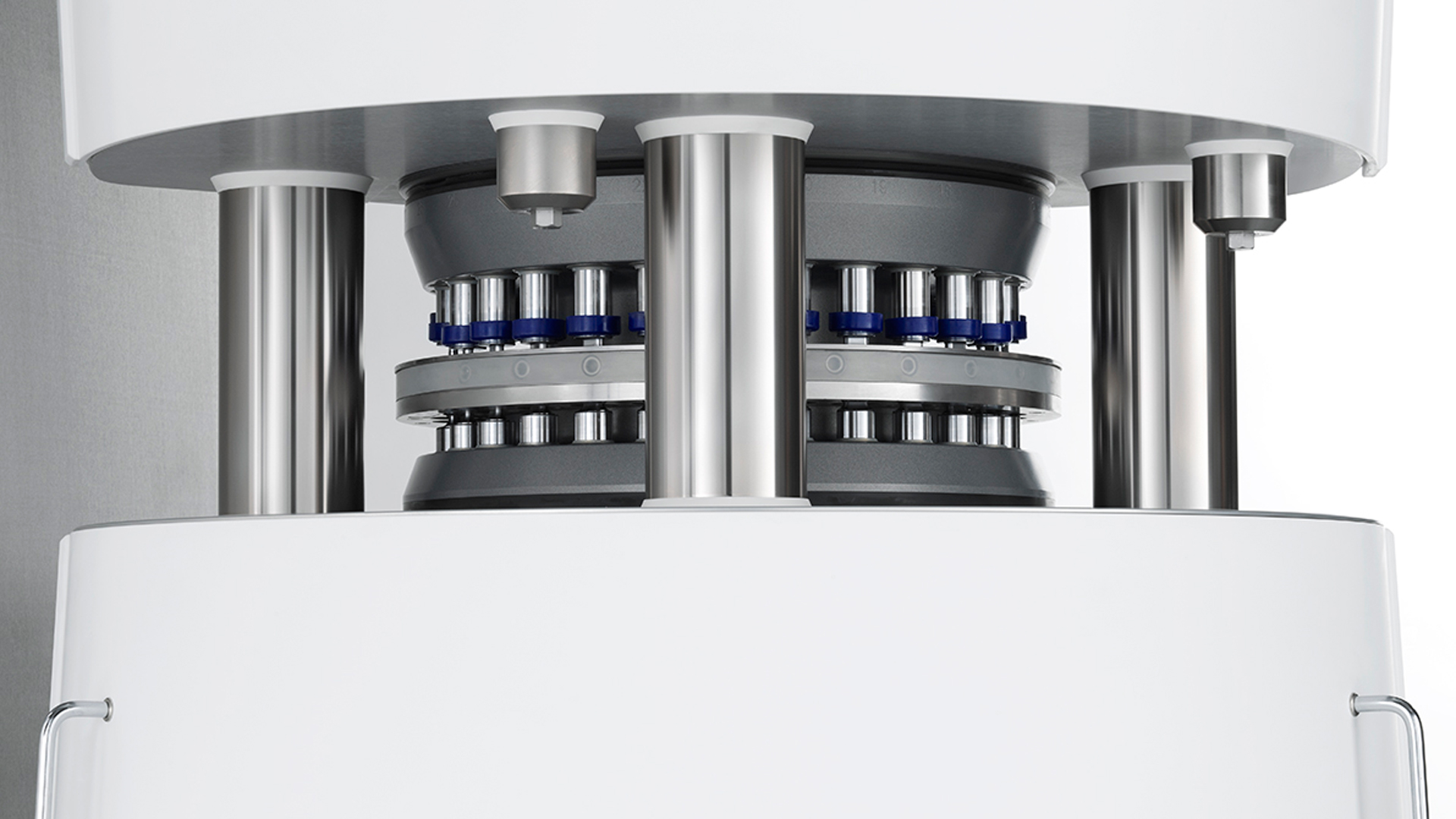
Formulation development of Vitamin C based effervescent blend suitable for direct compression.
9 min
Brands: IMA Active, IMA S.p.A. – Active Division

9 min
Brands: IMA Active, IMA S.p.A. – Active Division
8 min
Brands: IMA Active, IMA S.p.A. – Active Division
7 min
Brands: IMA Active, IMA S.p.A. – Active Division
Case study
Extrusion-Molding-Coating process advantages for Continuous Manufacturing of oral solid dosage forms
12 min
Brands: IMA Active, IMA S.p.A. – Active Division
6 min
Brands: IMA Active, IMA S.p.A. – Active Division
7 min
Brands: IMA Active, IMA S.p.A. – Active Division
13 min
Brands: IMA Active, IMA S.p.A. – Active Division
White paper
Autoregulation function on DOMINA tablet press.
5 min
Brands: IMA Active, IMA S.p.A. – Active Division
White paper
The potential of CROMA continuous coater.
9 min
Brands: IMA Active, IMA S.p.A. – Active Division
Case study
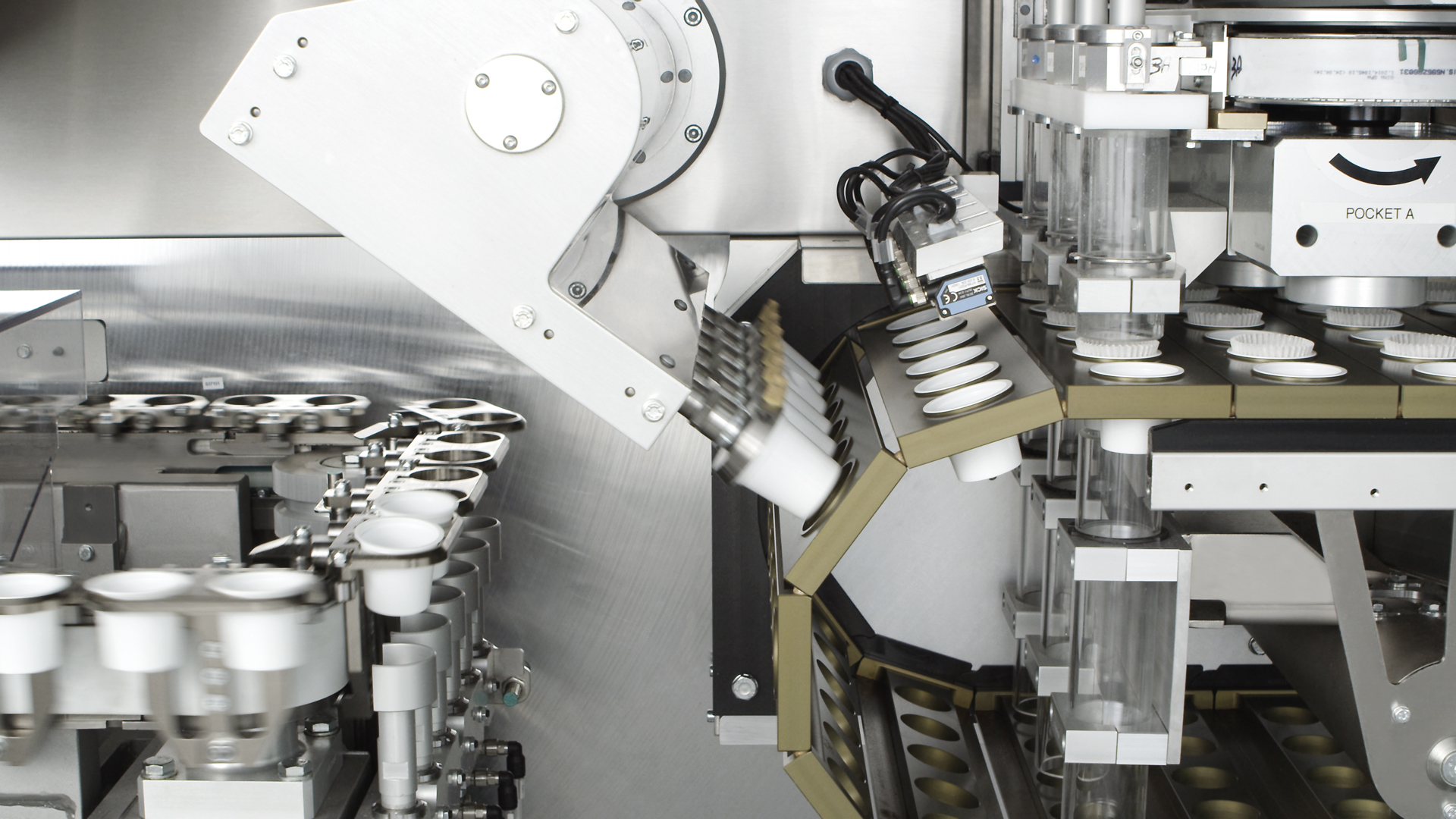
IMA Coffee partners with Smile Beverage Werks to produce new, sustainable single-serve capsules
7 min
Brands: IMA S.p.A. – Coffee Division, IMA Active, IMA S.p.A. – Active Division
White paper
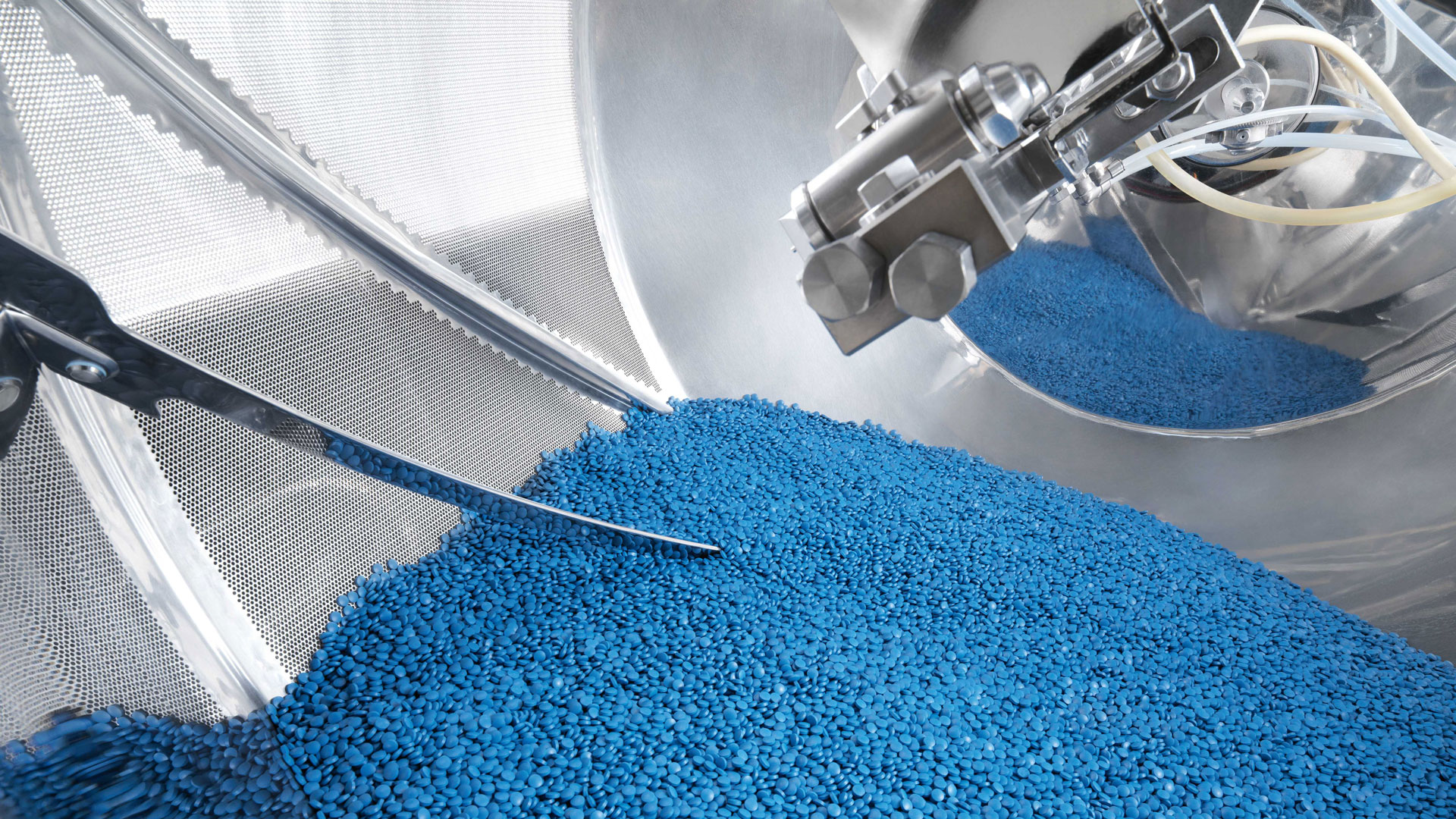
Perfima Extra: your way to boost productivity keeping process quality at the highest standard.
4 min
Brands: IMA Active, IMA S.p.A. – Active Division
Case study
IMA and OSIsoft: setting the standard in table process data to accelerate production setup.

5 min
Brands: IMA S.p.A. – Active Division, IMA Active
9 min
Brands: IMA S.p.A. – Active Division, IMA Active
10 min
Brands: IMA Active, IMA S.p.A. – Active Division
7 min
Brands: IMA Active, IMA S.p.A. – Active Division
5 min
Brands: IMA Active, IMA S.p.A. – Active Division
10 min
Brands: IMA Active, IMA S.p.A. – Active Division
Case study
Power to the essential.
6 min
Brands: IMA Active, IMA S.p.A. – Active Division
6 min
Brands: IMA Active, IMA S.p.A. – Active Division
7 min
Brands: IMA Active, IMA S.p.A. – Active Division
5 min
Brands: IMA Active, IMA S.p.A. – Active Division
Case study
Much more than nutraceuticals.
6 min
Brands: IMA Active, IMA S.p.A. – Active Division
5 min
Brands: IMA Active, IMA S.p.A. – Active Division
White paper
Preliminary results of predictive maintenance algorithms on a tablet press production machine.
7 min
Brands: IMA Active, IMA S.p.A. – Active Division
White paper
The Prexima challenge. Comparison of rotary tablet presses seminar in Leverkusen (Germany).
8 min
Brands: IMA Active, IMA S.p.A. – Active Division
6 min
Brands: IMA Active, IMA S.p.A. – Active Division
Case study
Directly compressed minitablets coated in a solid wall pan for the sustained release of drugs.
6 min
Brands: IMA Active, IMA S.p.A. – Active Division
5 min
Brands: IMA Active, IMA S.p.A. – Active Division
7 min
Brands: IMA Active, IMA S.p.A. – Active Division
Case study
ARIA fluid bed granulator and MicroNIR
8 min
Brands: IMA Active, IMA S.p.A. – Active Division
Case study
CYCLOPS. Blending made by IMA.
5 min
Brands: IMA Active, IMA S.p.A. – Active Division
8 min
Brands: IMA Active, IMA S.p.A. – Active Division
7 min
Brands: IMA Active, IMA S.p.A. – Active Division
Case study
The IMA Group integrates OMAC PackML and invests in the future of machine connection and control.
8 min
Brands: IMA Active, IMA S.p.A. – Active Division
7 min
Brands: IMA Active, IMA S.p.A. – Active Division
White paper
How to perform a good scale-up.
6 min
Brands: IMA S.p.A. – Active Division, IMA Active
5 min
Brands: IMA Active, IMA S.p.A. – Active Division
29 min
Brands: IMA Active, IMA S.p.A. – Active Division
Case study
Drug layering: the impact of up-scaling.
5 min
Brands: IMA Active, IMA S.p.A. – Active Division
5 min
Brands: IMA Active, IMA S.p.A. – Active Division
10 min
Brands: IMA Active, IMA S.p.A. – Active Division
15 min
Brands: IMA Active, IMA S.p.A. – Active Division
Case study
Scaling up a film coating process.
7 min
Brands: IMA Active, IMA S.p.A. – Active Division
White paper
Manufacturing DPIs: an engineering perspective
8 min
Brands: IMA Active, IMA S.p.A. – Active Division
White paper
Salty compression.
5 min
Brands: IMA Active, IMA S.p.A. – Active Division
5 min
Brands: IMA Active, IMA S.p.A. – Active Division
4 min
Brands: IMA Active, IMA S.p.A. – Active Division
6 min
Brands: IMA Active, IMA S.p.A. – Active Division
7 min
Brands: IMA Active, IMA S.p.A. – Active Division
Case study
High Containment in OSD
7 min
Brands: IMA Active, IMA Safe, IMA S.p.A. – Safe Division, IMA S.p.A. – Active Division
6 min
Brands: IMA Active, IMA S.p.A. – Active Division
9 min
Brands: IMA Active
Case study
Tableting at its best.
5 min
Brands: IMA Active, IMA S.p.A. – Active Division
3 min
Brands: IMA Active, IMA S.p.A. – Active Division
7 min
Brands: IMA Active, IMA S.p.A. – Active Division
Case study
GlaxoSmithKline chooses PERFIMA.
5 min
Brands: IMA Active, IMA S.p.A. – Active Division
Case study
Design ad Hoc. Delpharm chose EFFECTA.
5 min
Brands: IMA Active, IMA S.p.A. – Active Division
Case study
Together again: Chinoin chooses IMA.
4 min
Brands: IMA Active, IMA S.p.A. – Active Division
4 min
Brands: IMA Active, IMA S.p.A. – Active Division
8 min
Brands: IMA Active, IMA S.p.A. – Active Division
7 min
Brands: IMA Active, IMA S.p.A. – Active Division
6 min
Brands: IMA Active, IMA S.p.A. – Active Division
7 min
Brands: IMA Active, IMA S.p.A. – Active Division
Case study
BMP: «PREXIMA fits all our needs».
4 min
Brands: IMA Active, IMA S.p.A. – Active Division
Case study
Fine Foods: «Why we choose IMA».
5 min
Brands: IMA Active, IMA S.p.A. – Active Division
5 min
Brands: IMA Active, IMA S.p.A. – Active Division
6 min
Brands: IMA Active, IMA S.p.A. – Active Division
Case study
Leading the way in micro-dosing DPIs.
6 min
Brands: IMA Active, IMA S.p.A. – Active Division