White paper
Taste masking coating
of multi particulate systems in a small footprint equipment.
-
Reading time 6 min
-
A study by

-
Exclusive for
Process Worldwide, October 2025
Introduction
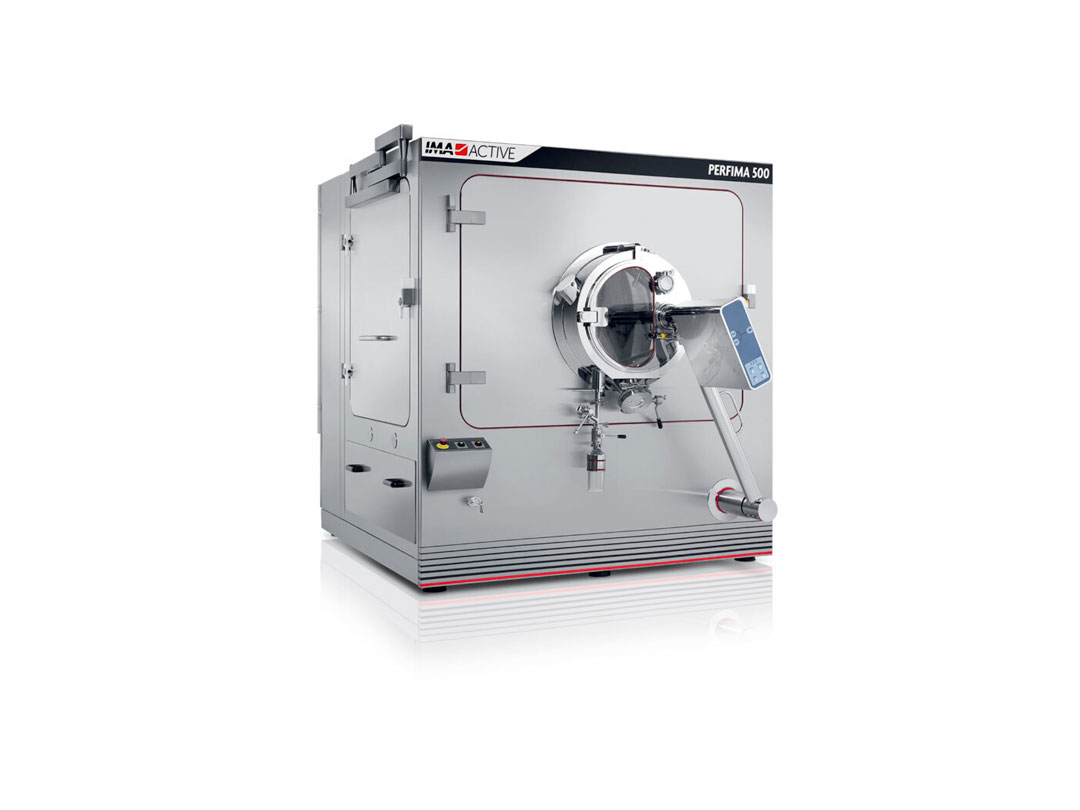
IMA Active’s wedge wire screen drum is designed to integrate seamlessly with standard PERFIMA equipment, resulting in the innovative PERFIMA Edge.
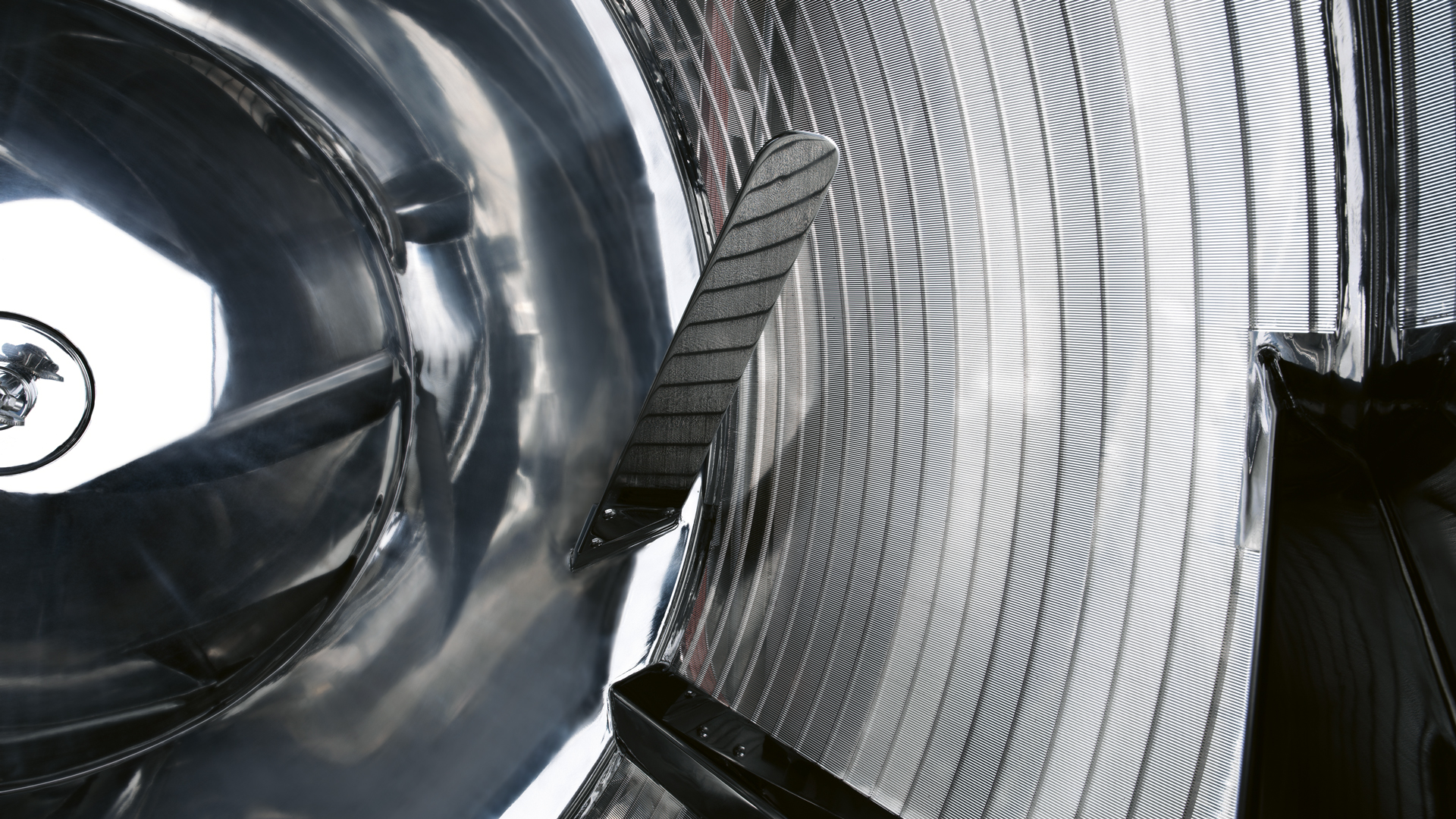
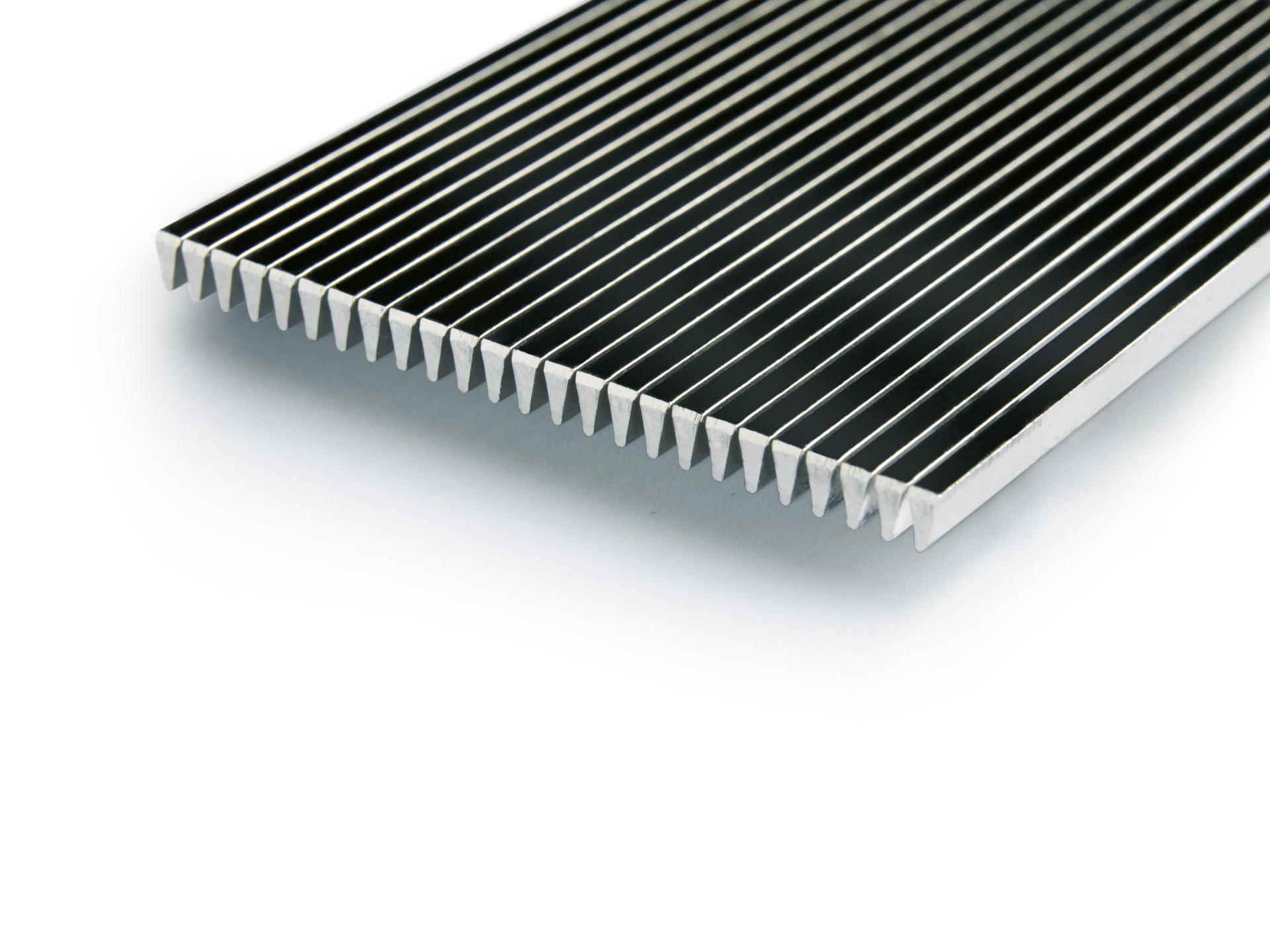
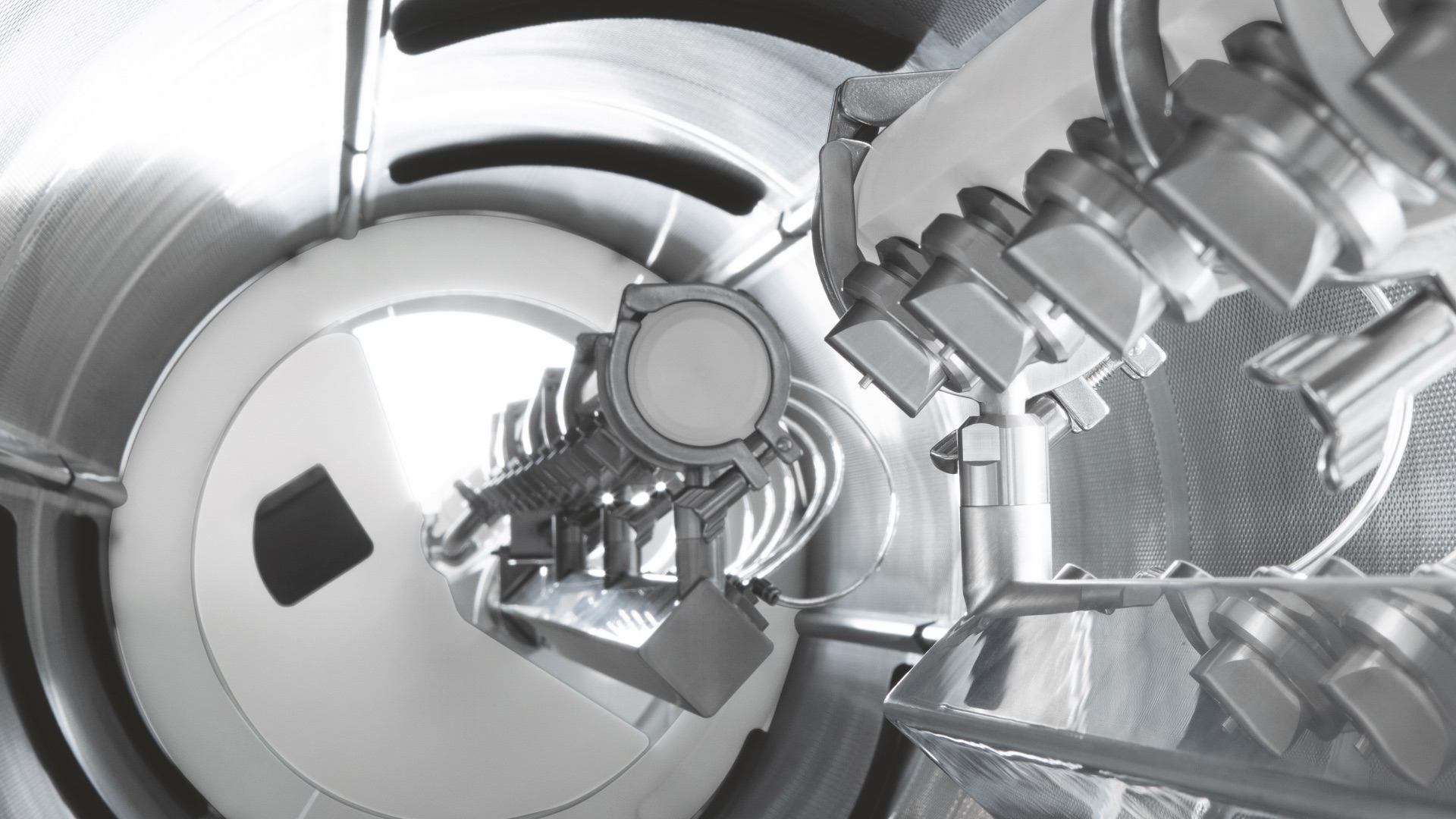
This enhancement brings the capability of side vented pan coating to smaller particles, such as pellets or minitablets. The drum’s wedge wires feature a rounded, smooth design, ensuring minimal impact on the product and enhancing flowability. The drum’s unique structure also supports high process air volumes, enabling increased spray rates and efficient, short processing times comparable to traditional perforated drum coaters and provides an interesting alternative to fluid bed thanks to its reduced footprint by at least 30%.
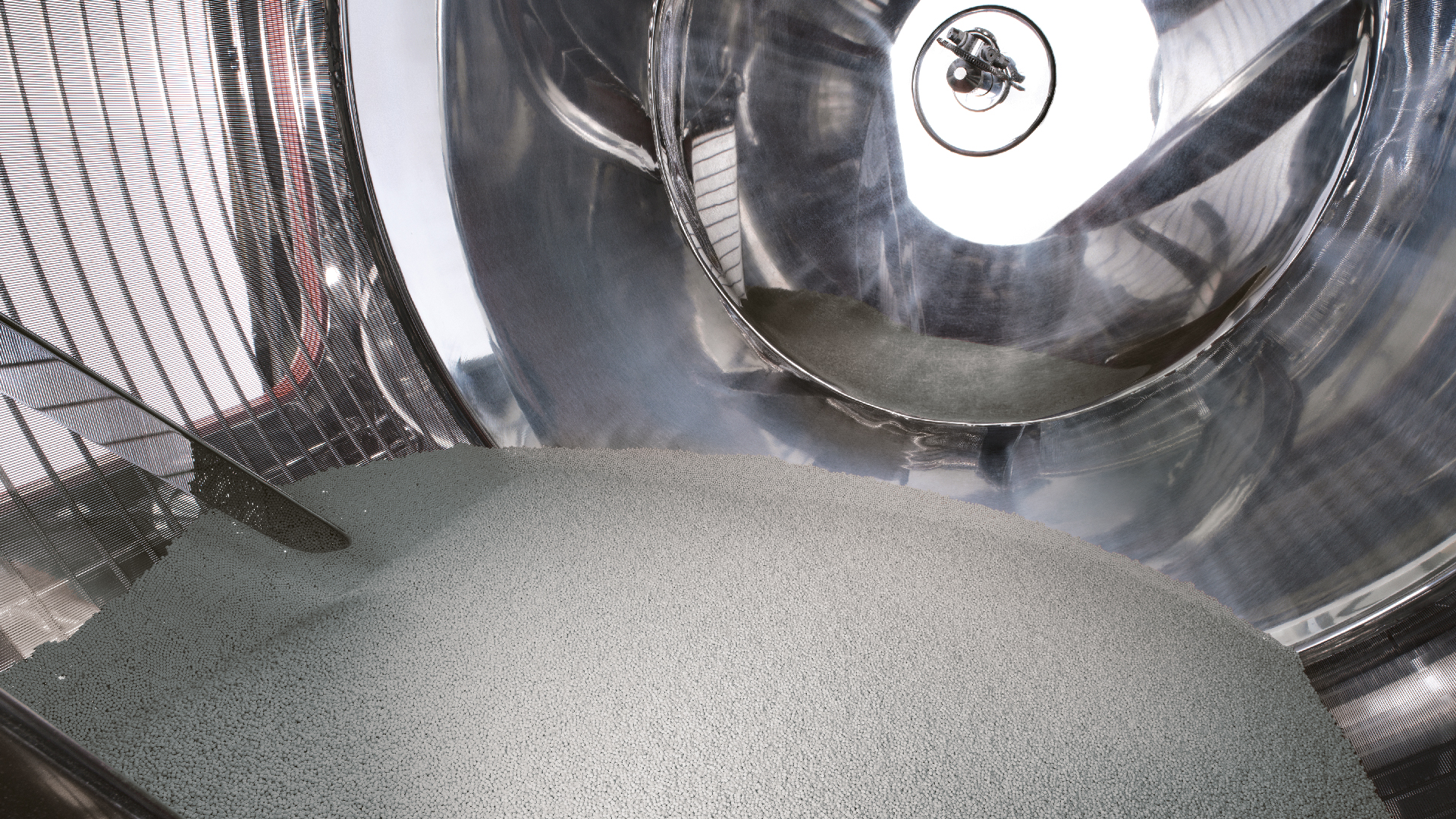
When processing multi-particulate systems PERFIMA Edge (Figures 1-2) offers distinct benefits over fluid bed technology. Firstly, it requires markedly less space for equipment installation: for example, 25 kg batch in PERFIMA Edge requires 600 m3/h as processing air while in a fluid bed the required flow rate would be around minimum 800 m3/h. Secondly, it provides easy access to spray guns during operation. Furthermore, the drum coating process is easier to control, facilitating smoother up-scaling. When selecting a coating technology, it is essential to prioritise both,
the quality and cost-effectiveness of the process, along with space requirements. Factors such as processing time and the uniformity of the final product are crucial considerations too. This is particularly important when dealing with functional coatings or drug layering, where consistency and homogeneity are paramount.
This study aims to assess the efficacy of PERFIMA Edge coating technology in the pellet coating process to ensure optimal functionality.
Materials
Sugar spheres (20-25 mesh, IPS, Milano, Italy) consisting of sucrose and microcrystalline cellulose were used as substrate after being layered with a tracer, Riboflavin (BASF, Ludwigshafen, Germany) together with poly(ethylene glycol) – poly (vinyl alcohol) graft copolymer (Kollicoat® IR, BASF) up to a weight gain of 4.84%. The drug layering was conducted with an aqueous coating formulation (15% solid mater content), consisting of: Riboflavin 10.0%, Kollicoat® IR 5.0%, Water 85.0%.
The functional coat was formulated using Kollicoat® Smartseal 30 D (BASF). [1] Additional excipients in the formulation (Table 1) were: FD & C Blue No. 1 (BASF) as coloring agent and tracer; acetyl tributyl citrate (ATBC, Jungbunzlauer) as plasticiser; buthylene hydroxy toluene (BHT, Sigma-Aldrich) as antioxidant, and talc (Merck) as anti-tacking agent.
| Ingredient | Formulation % | Polymer Based % |
| Kollicoat Smartseal 30D | 50 | – |
| ATBC | 7.6 | 15 |
| BHT | 1.3 | 2.5 |
| DS | 1.0 | 2.0 |
| Talc | 39.0 | – |
| FD&C Blue N°1 | 1.0 | – |
Table 1: functional coating formulation.
Equipment
In this study, the PERFIMA Edge, IMA’s side-vented pan coater equipped with a wedge wire screen drum specifically designed for coating of small substrates like pellets, was used. All experiments were carried out using pilot-scale equipment. The drum incorporates small wedge wires instead of the conventional perforated wall, they enable airflow passage during the coating process but at the same time it kept multiarticulates inside the equipment. The equipment retained the original drum shape, geometry, and spray system used in standard tablet coating machinery. To accommodate substrates of various shapes and sizes, specially designed mixing baffles were welded to both the center and side walls of the drum. The coating trials were performed following the parameters outlined in Table 2.
| Parameter | m.u. | Value |
| Batch size | kg/L | 25/30 |
| Drum speed | rpm | 18 |
| Inlet air temperature | °C | 75-80 |
| Inlet air flow rate | m3/h | 600 |
| Nozzle bore diameter | mm | 1.2 |
| Spray flow rate | g/min | 50-70 |
| Atomisation pressure | bar | 1 |
Table 2: coating parameters in PERFIMA Edge.
Methods
Photometrical measuring
Coating amount was determined by photometrical measuring of either Riboflavin or of the colorant FD&C Blue No. 1 [2, 3].
Dissolution testing
For the dissolution test standard equipment according to Ph. Eur. is used.
As the taste masking functionality is to be delivered in the oral cavity, phosphate buffer (pH 6.8) was used as dissolution media. Hereby, the criterion for a fully functional coat was that no drug release was seen for a period of two hours.
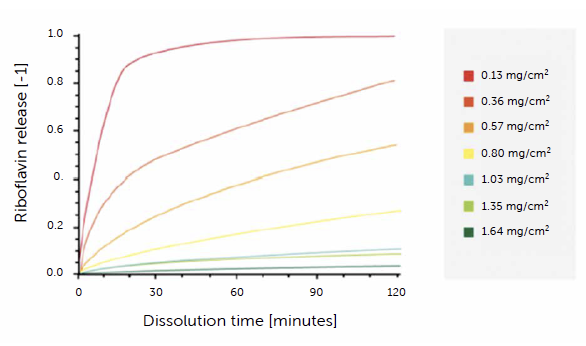
Graph 1: dissolution profiles of pellets at different functional coating levels (values: mean ± SD, n=3).
Results and discussion
Kollicoat® Smartseal 30 D based formulations have to be applied onto tablets with a typical coating level of 3.5 mg/cm² to gain full functionality (meaning no drug release for two hours in neutral media). [4] When applying a comparable coating formulation (Table 2) onto pellets, full functionality can be achieved with distinctively lower coating levels (Graph 1).
Conclusions
PERFIMA Edge coating equipment with its small footprint is a space-saving alternative to fluid bed technology; its design allows optimal accessibility of the processing area and taste masking process can be run smoothly using Kollicoat® Smartseal 30D.
PERFIMA
Perfima is a perforated coating pan for tablet film and sugar coating. The shape of the pan combined with the mixing baffles positioned in the central sector of the drum ensure perfect mixing of the cores allowing a wide range of batches to be processed in the same drum: from 25% to 100% of pan capacity.
References
[1] Kolter K., Guth F., Angel M., Physicochemical characteristics of a new aqueous polymer, “AAPS Annual Meeting and Exposition”, New Orleans, Louisiana (USA), November 14-18, 2010.
[2] Agnese T., Cech T., Guth F., Developing a photometric method to determine the amount of film coating. Material applied onto individual tablet cores, “3rd PharmSciFair”, Prague (CZ), June 13-17, 2011.
[3] Agnese T., Cech T., Funaro C., Evaluating different methods to determine the amount of applied coating material onto a tablet, “3rd PharmSciFair”, Prague (CZ), June 13-17, 2011.
[4] Agnese T., Cech T., Funaro C., Determining the minimum amount of functional coat to be applied to gain taste masking functionality and investigating whether shape or scale is influencing the results, “3rd PharmSciFair”, Prague (CZ), June 13-17, 2011.
4 min
Brands: IMA North America Inc. – Thomas Division, IMA Active
White paper
Effervescent tablet processing and packaging: why integrated lines are shaping the future.
6 min
Brands: IMA S.p.A. – Active Division, IMA Active
6 min
Brands: IMA Active, IMA S.p.A. – Active Division
White paper
ARCA: AI Root Cause Analysis.
8 min
Brands: IMA Active, IMA S.p.A. – Active Division
5 min
Brands: IMA Active, IMA S.p.A. – Active Division