Third project as part of the cooperation between THM (Technische Hochschule Mittelhessen) and Hassia Verpackungsmaschinen GmbH
- Reading time 5 min
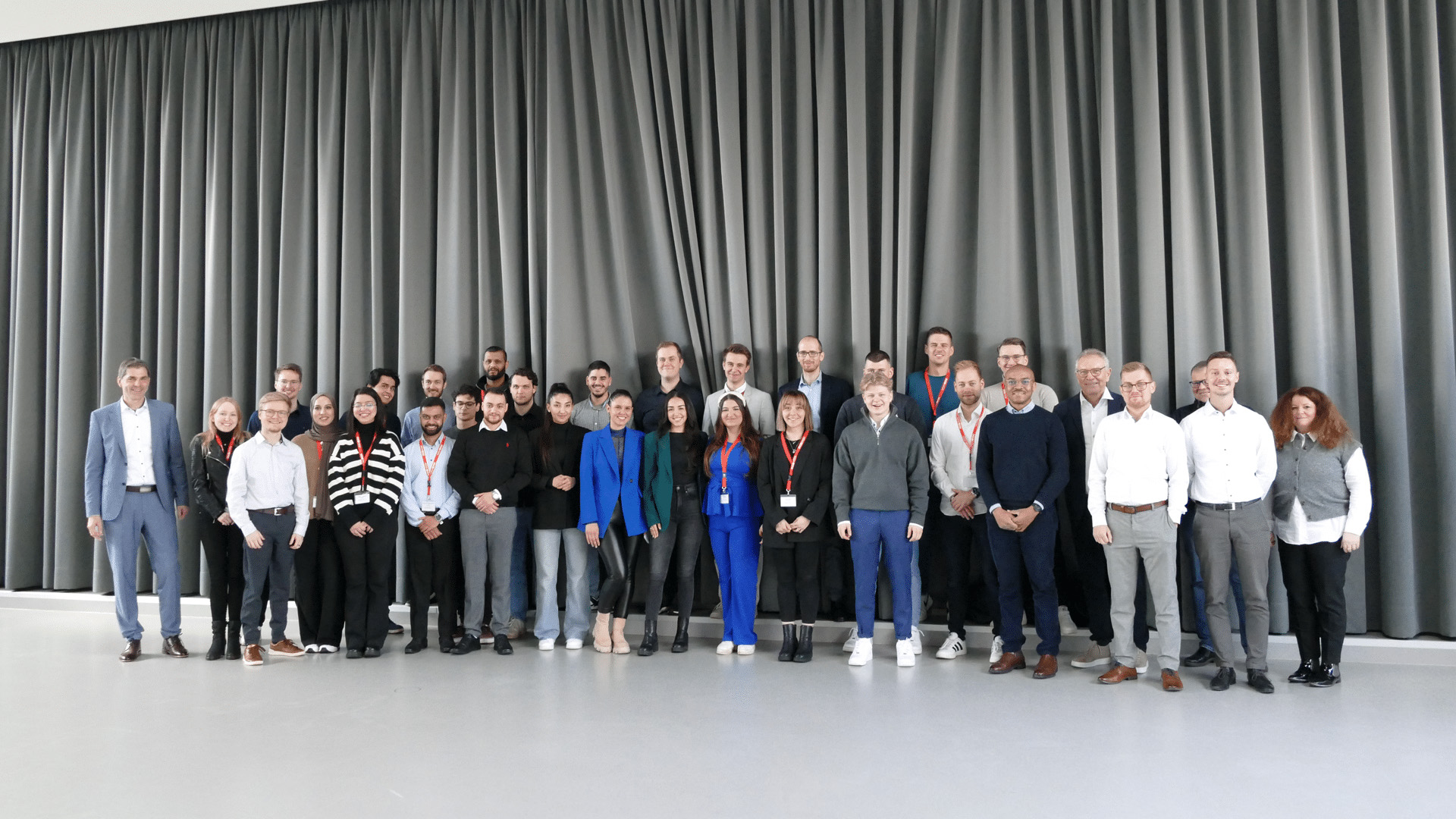
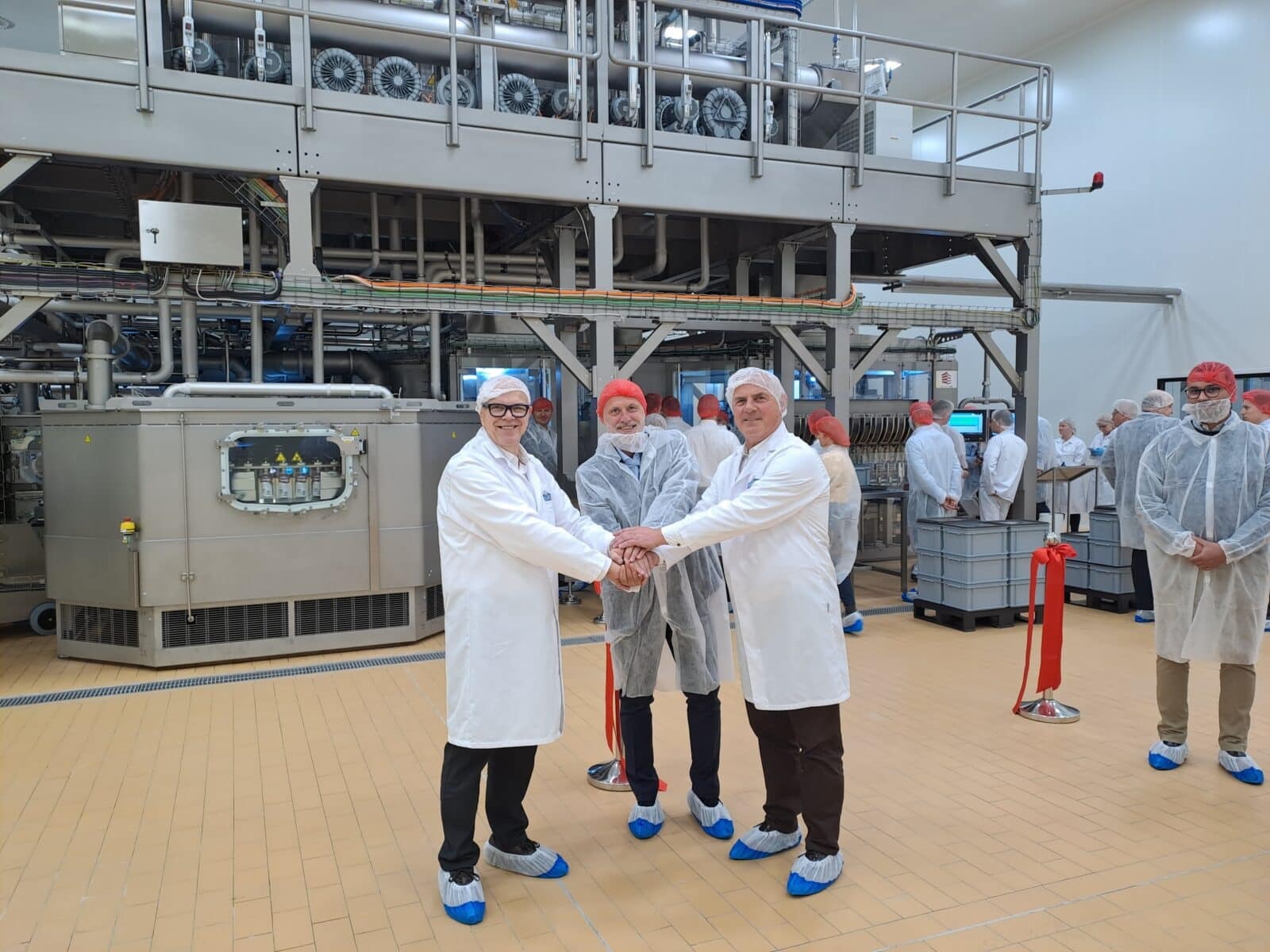
Beginning of January, a group of students from THM Friedberg once again visited Hassia Verpackungsmaschinen GmbH for a project. For one week, a new group of 28 international students was on site at Hassia in Ranstadt together with Prof. Dr. Timo Nuyken.
Together with Prof. Nuyken, the Hassia internal project team had already selected in advance the project topic ‘Change Management for the Hamba FLEXLINE packaging machine‘ for the Industrial Engineering and Management department at THM Friedberg.
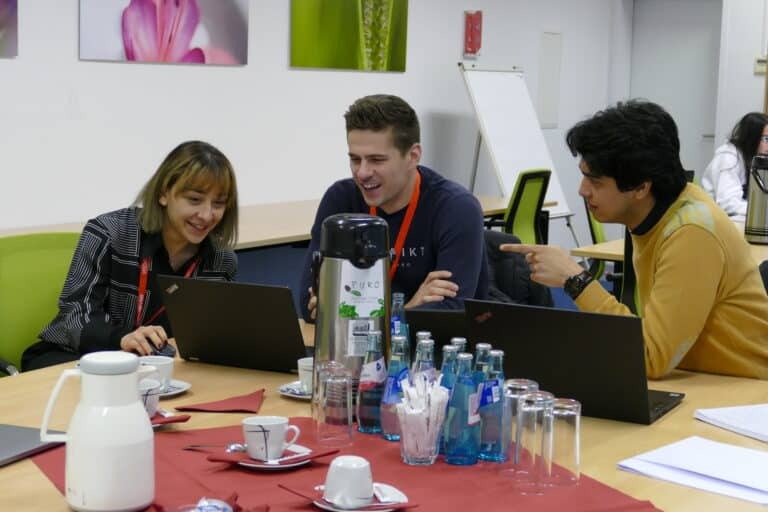
The following work packages have been defined:
- Project/process management for order processing
- Determination of capacity requirements (actual and target)
- Analysis of standardization potential for electrics & software
- Layout, material flow and technical requirements
- Supplier management
- Change management
- Training concept
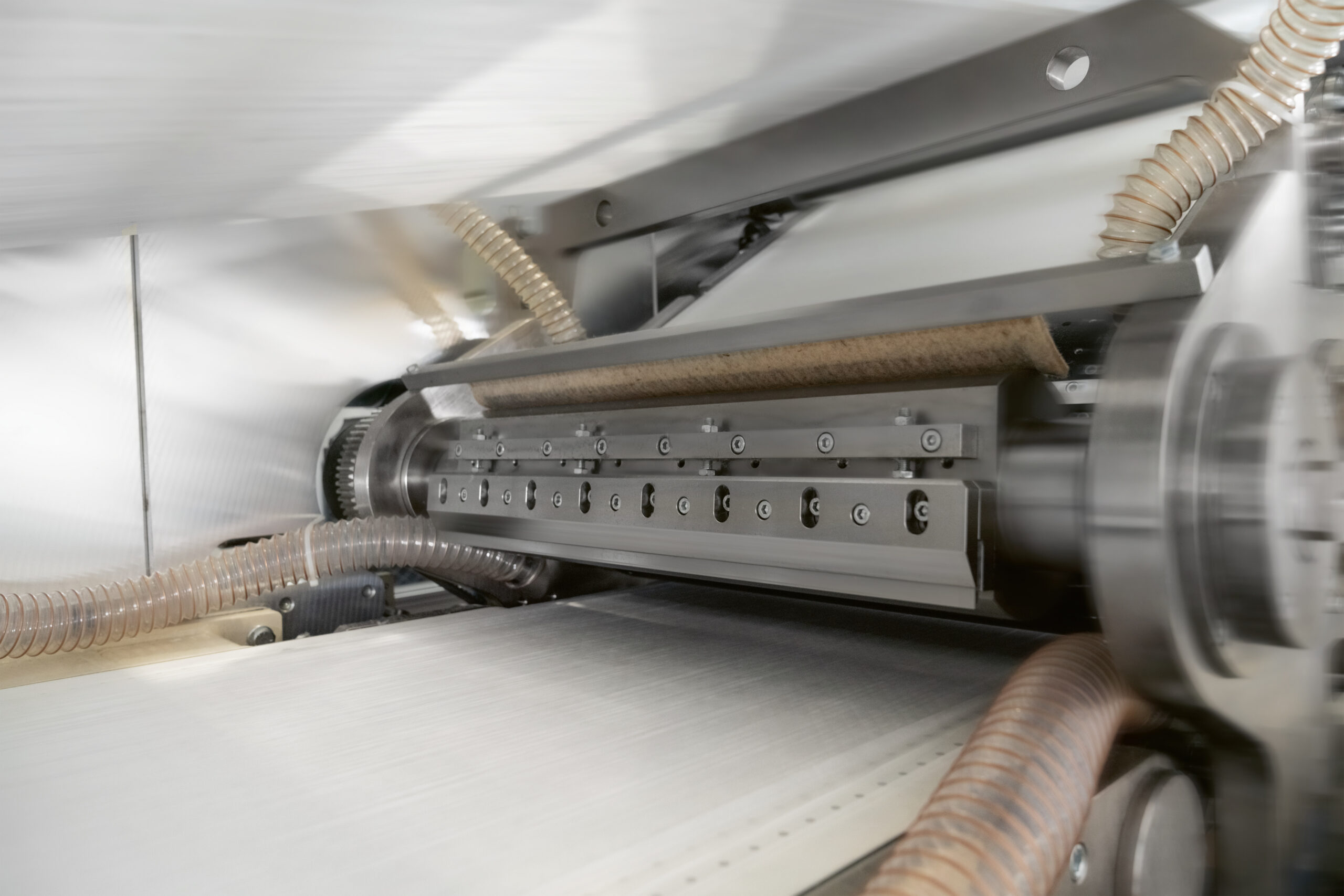
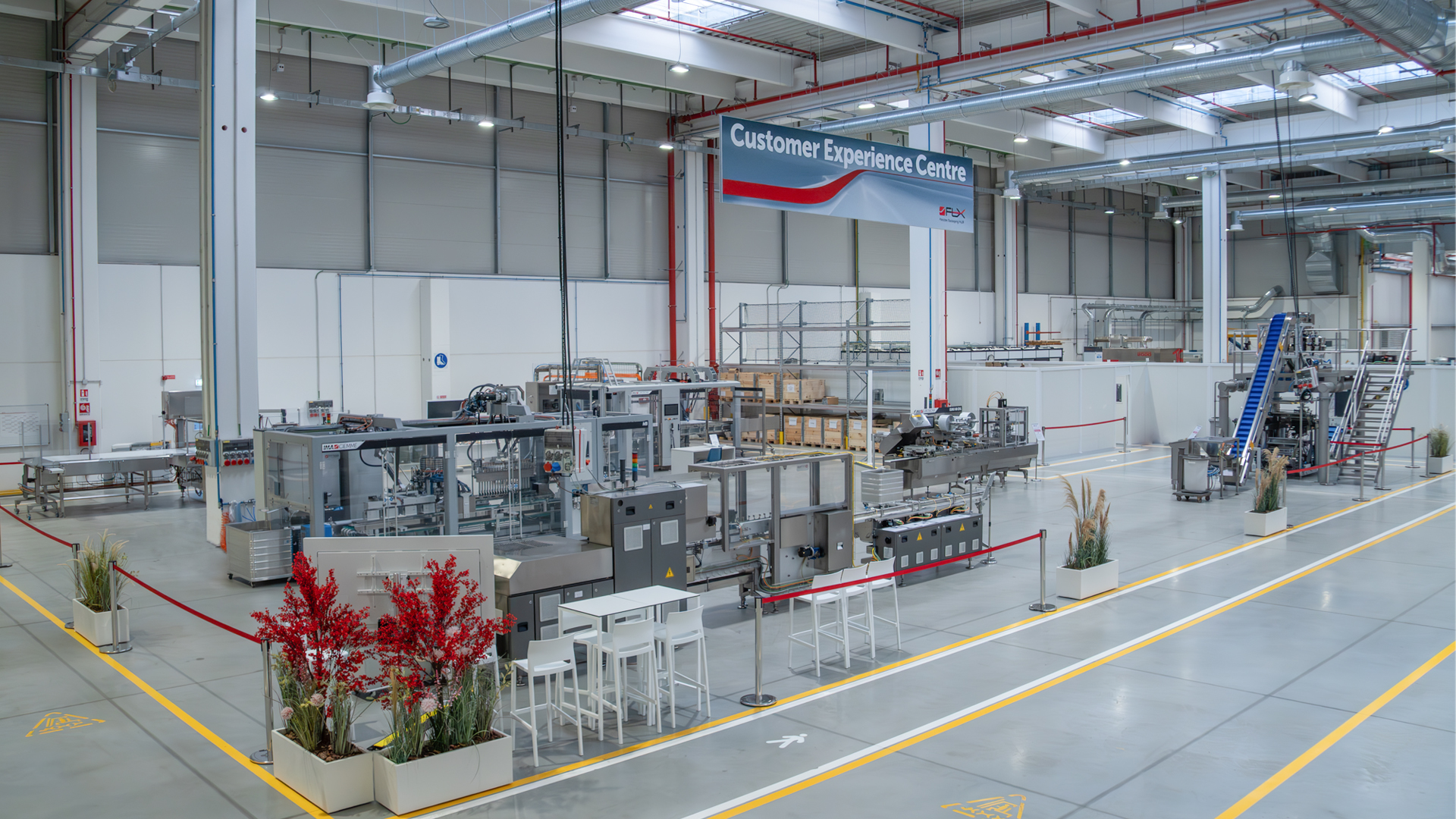
On site in Ranstadt, the students were first introduced to the company and the Hamba FLEXLINE filling and sealing machine was presented to them in detail and machines currently being assembled were shown. In the various working groups, they were given internal data for their analyses and gained an overview of the actual processes and complexities. They conducted employee surveys and analized the relevant processes.
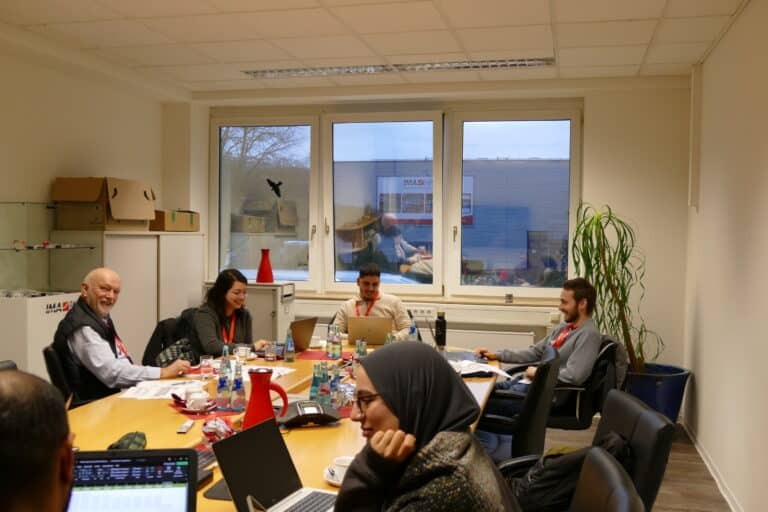
In the area of project/process management, demand currently exceeds capacities and the proposed objective is to optimize order handling processes through cooperation between IMA locations and to expand capacity for more customer orders.
To determine capacity requirements (actual and target), an analysis and calculation of the required resources (e.g. personnel, working hours) and a comparison of available capacities with actual requirements were prepared. Bottlenecks or overcapacities had to be identified with the aim of optimizing the use of resources.
In the work package ‘Standardization potential for electrics & software‘, the aim was to work out where standardization would be possible in the field of electronics & software, EPLAN and a modular system, what the current cooperation between the locations looks like and where expansion is possible.
The working group for the ‘Layout, material flow and technical requirements‘ package examined the current situation and problems in assembly. As a result, a macro concept was proposed: use know-how, specialization of the IMA locations and focus on permanent staff.
In the area of ‘supplier management‘, the main problems, such as capacity utilization at Hassia (more orders than production possible) and a lack of know-how in the correct selection of sub-suppliers at main suppliers have already been identified. The students suggested using augmented reality as supplier coaching. This would have the following advantages: Global communication and collaboration in assembly, quick exchange in case of problems and support in the assembly of Hassia. Augmented reality could also be used as a design aid and would lead to a better representation of the design for the assembly staff and service technicians, a comparison of the machine and CAD model could be carried out during and after the design and a remote check at the supplier’s premises by Hassia employees would be possible before the final delivery. In addition, quality assurance of the supplier with a 3D scanner was proposed, which would have the following advantages: goods receipt would be accelerated, faster error detection would be possible and this would lead to a saving in working time.
The objective of change management is to create urgency for change measures. The overall corporate objectives are to increase operational speed, expand the competitive advantage, secure and drive company growth and preserve expertise. The strategy (capacity expansion for the Hamba FLEXLINE) includes shortening delivery times, meeting customer demands faster, continued increase of market share and protecting aseptic expertise.
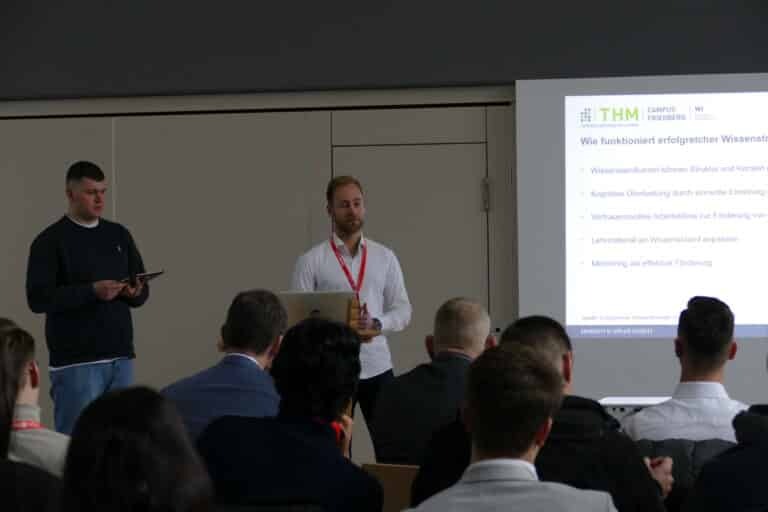
The problem for the ‘training concept‘ work package is the question ‘How can knowledge transfer be organized throughout the entire production process of the planned capacity expansion for the “Hamba FLEXLINE” machine? How can existing know-how be passed on? The objective must be that the training concept should enable cross-location training that prepares all employees for the capacity expansion of the Hamba FLEXLINE and ensures that all relevant skills and knowledge are effectively imparted. Various ideas involving AI and augmented reality were presented for this purpose.
Event
7th APV Continuous Manufacturing Conference • 21-22 April 2026
From to • Nürtingen/Ulm (Germany)
Event
Beauty Istanbul 2026
From to • Istanbul, Türkiye – Booth 5C 110
Event