White paper
TILE-X lines and magnetic levitation for ATMP processing.
-
Reading time 6 min
-
A study by
IMA Life
Introduction
The rapid evolution of modern biopharmaceuticals has brought biologics and Advanced Therapy Medicinal Products (ATMPs) to the forefront of innovation in healthcare. Unlike traditional small-molecule drugs, these therapies are derived from living systems and are designed to target diseases with unprecedented precision, offering new treatment possibilities for conditions once considered incurable. However, their biological nature introduces significant complexity across the entire product lifecycle. From development and manufacturing to quality control and distribution, biologics and ATMPs require highly specialized technologies, stringent regulatory frameworks, and carefully controlled environments. Understanding the intrinsic challenges and operational constraints associated with these products is essential to ensure their safety, efficacy, and scalability in an increasingly demanding pharmaceutical landscape.
1. The Intrinsic challenges of biologics and ATMP pharmaceutical products
The development of biologics and ATMPs (Advanced Therapy Medicinal Products) is among the most complex and strictly regulated areas of today’s pharmaceutical industry. Their intrinsic characteristics deeply affect manufacturing, quality control and filling operations.
1.1 Biological products
Biologics originate from living organisms or their components and therefore present high intrinsic variability. Even under identical manufacturing conditions, batches cannot be fully identical. They are highly sensitive to changes in pH, temperature, oxygen levels, or mechanical stress and require far more rigorously controlled processes compared to chemically synthesized drugs.
1.2 ATMP products
Cell and gene therapies introduce an additional layer of complexity. They may contain living cells, or viral vectors and show very limited standardization potential and high susceptibility to degradation. Handling, transfer, filling, and transportation represent critical phases, and because most ATMPs cannot undergo terminal sterilization, strict aseptic conditions must be maintained throughout the entire manufacturing process.
Example applications include:
• Autologous CAR-T therapies, where each patient receives a batch manufactured from their own cells.
• AAV-based gene therapies, which require a controlled environment to maintain viral vector integrity.
• Allogeneic stem cell therapies, which rely on cells derived from healthy donors and require highly controlled manufacturing and cryopreservation processes to ensure scalability across multiple patients
2. Manufacturing challenges and operational constraints
2.1 Complex production and advanced GMP environments
ATMP production requires highly specialized GMP-compliant environments, with extremely tight control over critical parameters. Deviations and contamination risks—whether particulate or microbial—must be minimized. Even slight physical or chemical alterations can compromise product integrity, leading to costly losses, especially in one patient–one batch settings.
2.2 Small batch sizes and scale-out
Batch sizes are often very small and, in many cases, tailored to a single patient. Because biological processes rarely tolerate conventional scale-up approaches, scale-out (the replication of compact and standardized manufacturing units) becomes the preferred strategy. Each dose has exceptionally high value, leaving virtually no room for error.
2.3 More complex quality controls
Quality control requires functional tests, biological assays, genetic analyses and immunological evaluations. These tests are inherently slow, delicate and less standardized, often generating delays or borderline results.
2.4 High regulatory risk
Regulatory agencies demand complete traceability, perfect consistency between clinical and commercial lots, and detailed documentation for every produced unit.
3. Why Innovative Filling and Closing Technologies are Essential for ATMPs
Because each dose has high clinical and economic value, and products are highly fragile and cannot be terminally sterilized, filling and closing become critical phases. Traditional transport systems—belts, screws, transfer stars, chains—introduce risks such as particle generation, lubricant contamination, vibrations and shocks. The revised EU GMP Annex 1 strongly encourages the adoption of innovative technologies that reduce particulate contamination, first air requirement and minimize the risks associated with manual interventions, reflecting its broader focus on contamination control and equipment design.
4. The technological response: IMA Life magnetic levitation planar motor system
IMA Life has addressed these challenges by integrating an innovative planar motor system based on magnetic levitation into the TILE-X production lines.
4.1 How the system works
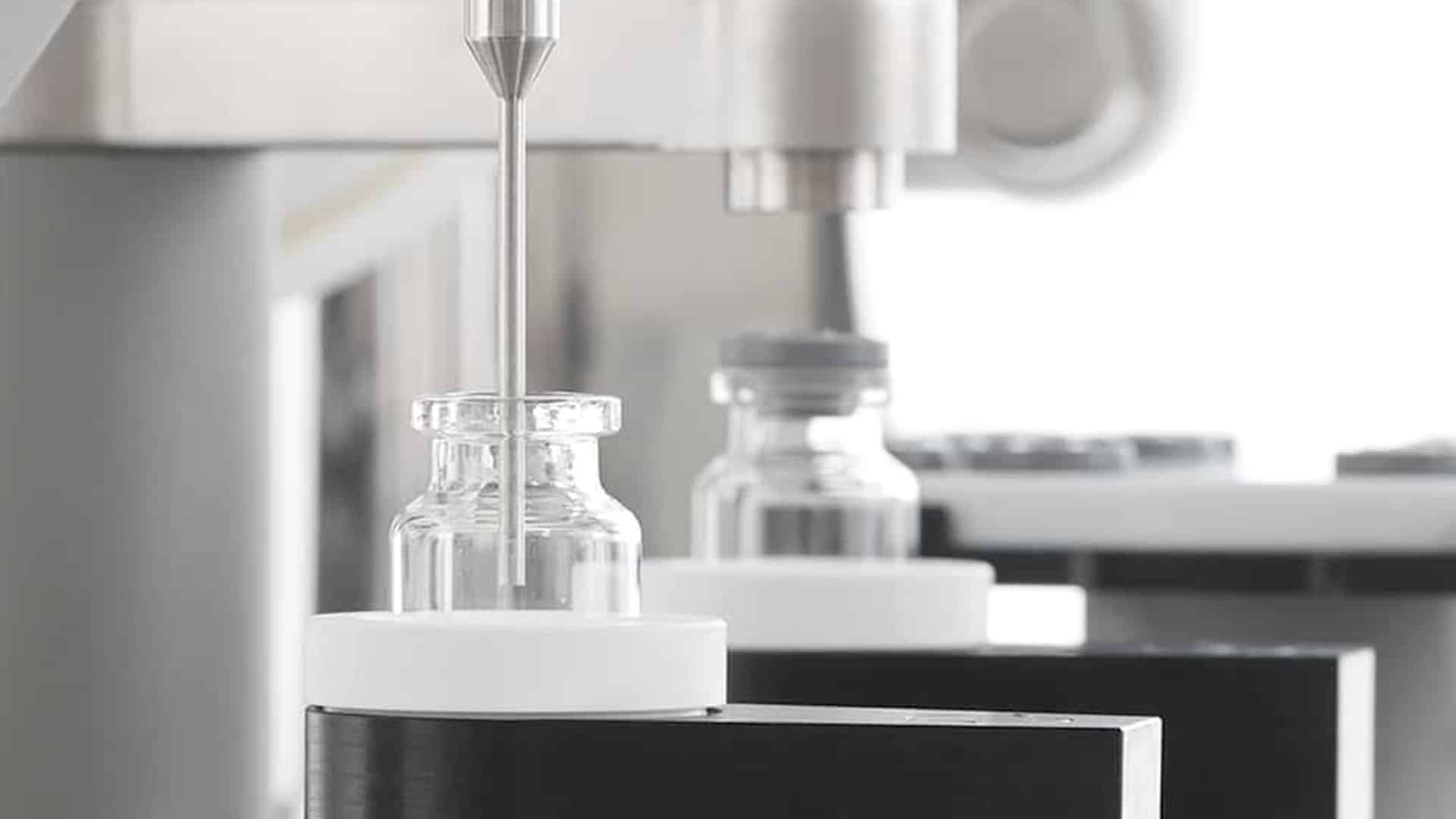
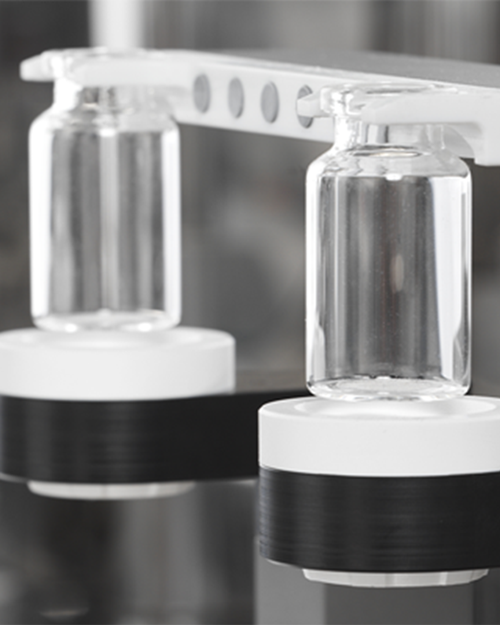
The system includes stators (Flyways) installed beneath an AISI 316 work surface and independent magnetic “tiles” equipped with permanent magnets. These “tiles” levitate without mechanical contact, move freely with six degrees of freedom, and ensure micrometric positional accuracy. Their speed, acceleration and deceleration are programmable, and built in anti collision protection allows safe coordination of many “tiles” through advanced control software.
4.2 Benefits compared to traditional transport systems
The system avoids particle generation, eliminates the need for lubricants and maintains an ultra-clean working surface. It also provides a fully customizable path for each container and supports a modular, scalable line architecture.
5. Implementation in TILE-X lines and QbD approach
Implementation has been supported by feasibility studies, prototype development, targeted testing and extensive risk analysis through module-specific FMEAs. Comprehensive IQ/OQ documentation is available.
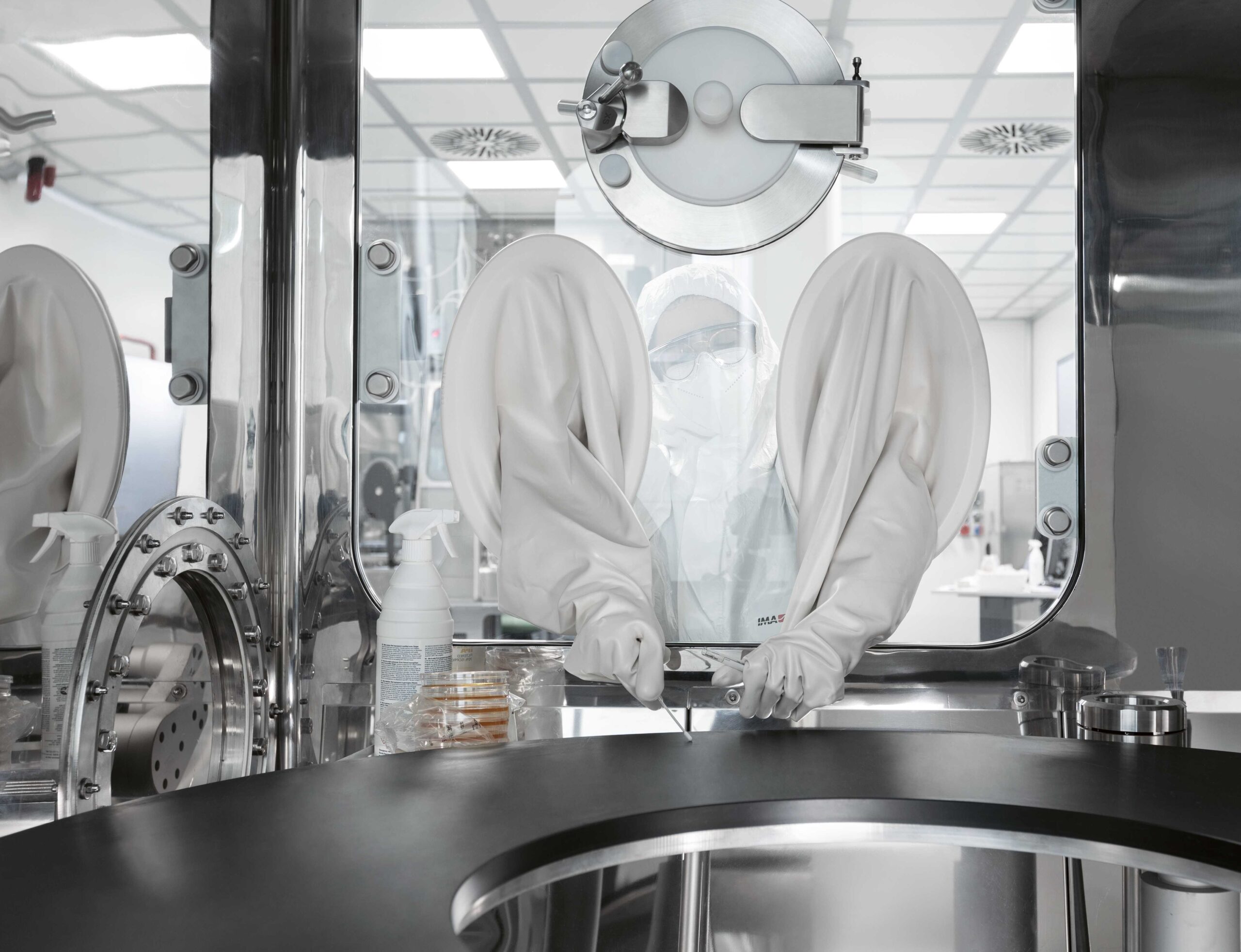
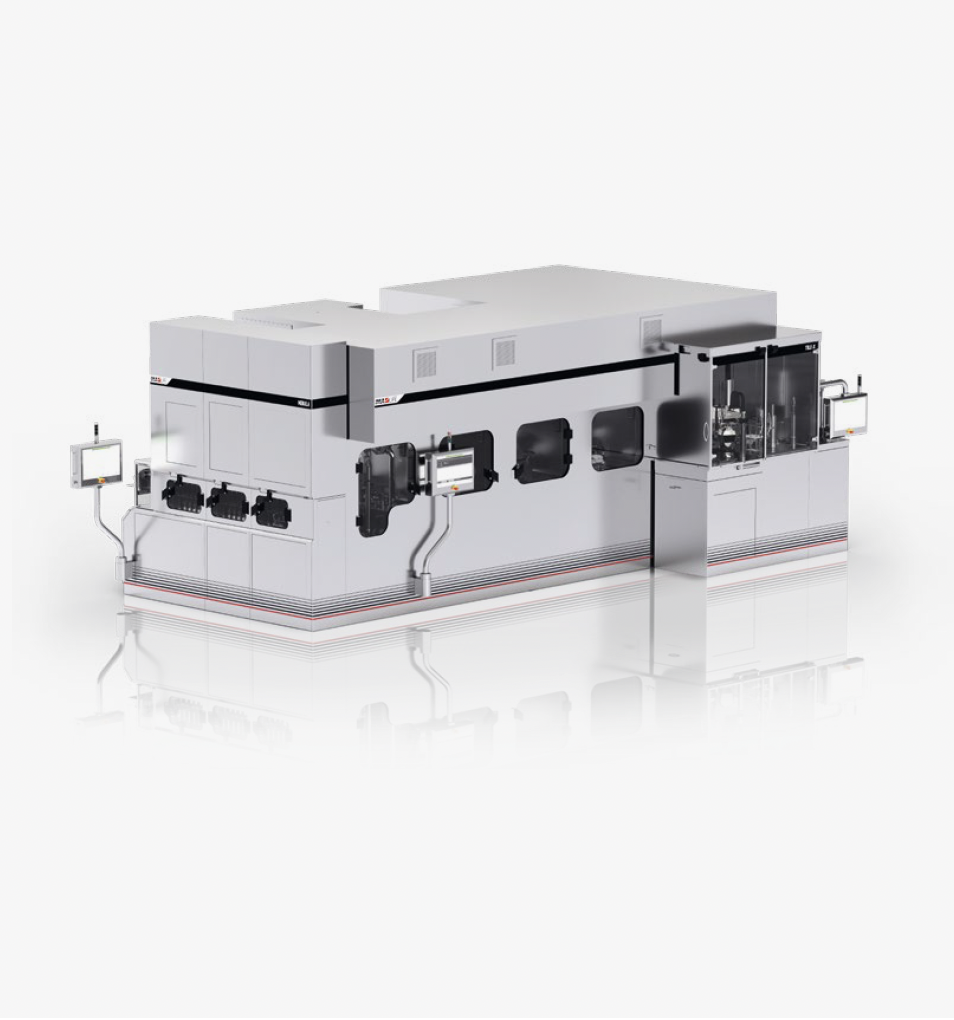
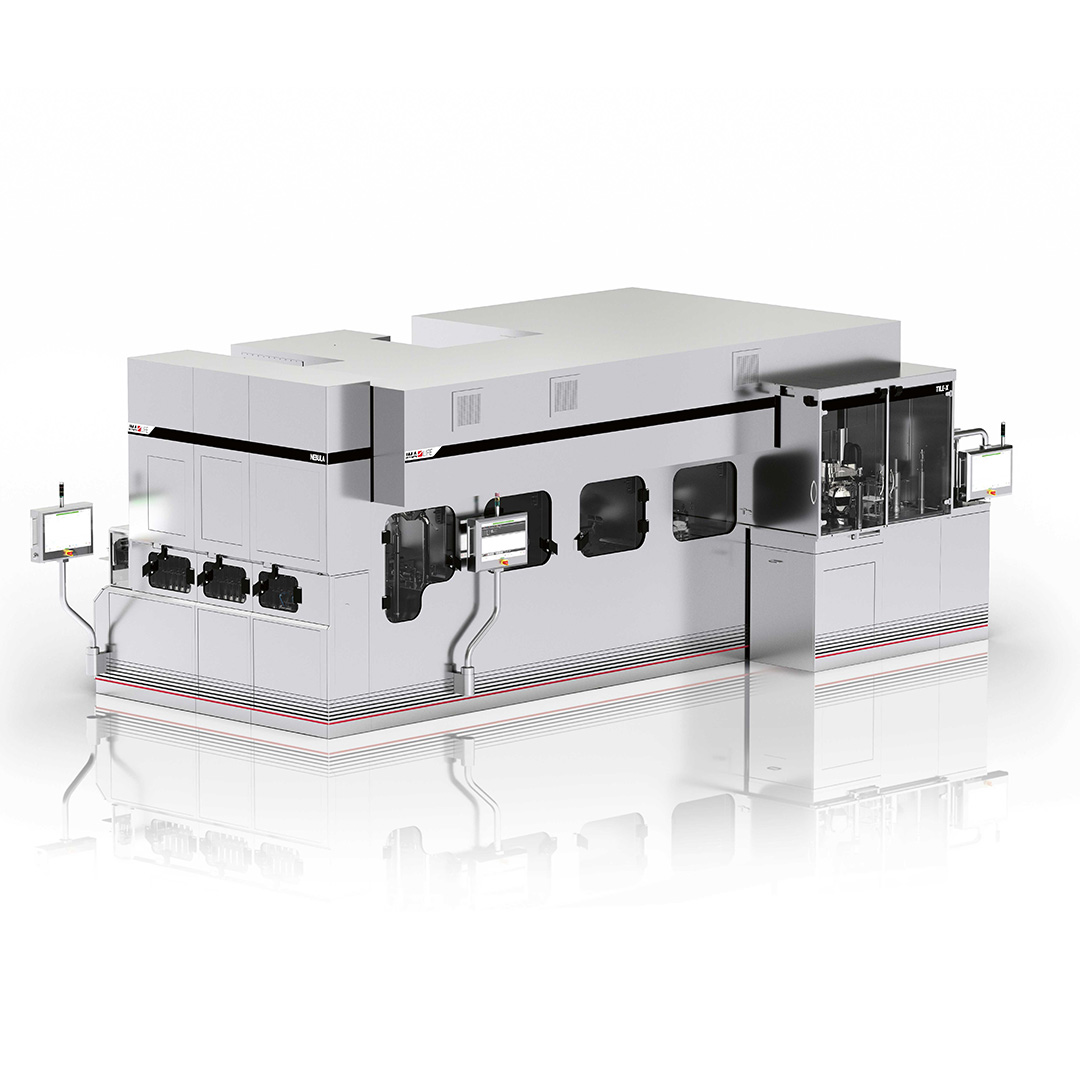
The TILE-X platform, featuring gloveless isolation and standardized modularity, supports both clinical and commercial manufacturing.
TILE-X
TILE-X is a ground-breaking innovation in the fill-finish process, designed to handle Ready-To-Use components using magnetic levitation.
IMA Life IsoTech Lab
The IsoTech Lab is where our unique, integrated solutions are designed, tested and developed for aseptic processing lines and freeze-drying applications.