DOMINA wins The Medicine Maker Innovation Awards 2025
- Reading time 7 min
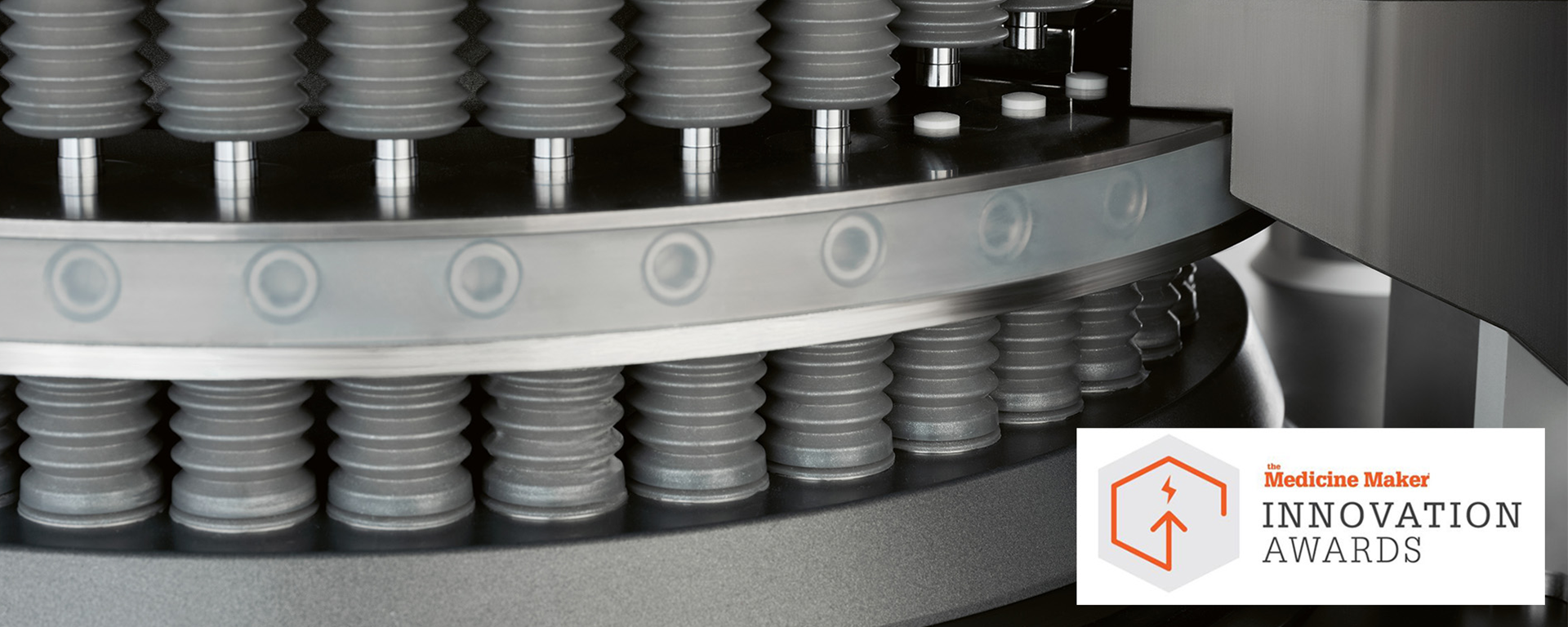
We are proud to announce that DOMINA, IMA Active’s latest tablet press platform, is the winner of The Medicine Maker Innovation Awards 2025, a prestigious recognition celebrating the most impactful innovations shaping the future of pharmaceutical manufacturing.
Featured in the official Innovation Awards showcase, DOMINA stood out for its ability to go beyond incremental improvements and introduce a new paradigm in tablet compression, combining mechanical excellence with intelligent automation.
A new technological language for tableting
DOMINA was developed to address the growing complexity of oral solid dose production, where manufacturers face increasing pressure in terms of flexibility, sustainability, and time-to-market.
Rather than a traditional machine, DOMINA has been conceived as a modular platform, enabling manufacturers to seamlessly adapt configurations and production setups to different products and process requirements.
Innovation at process level
At the core of DOMINA’s innovation is its ability to rethink the tableting process itself:
- Plug-and-play modularity enabling mono- and bilayer production
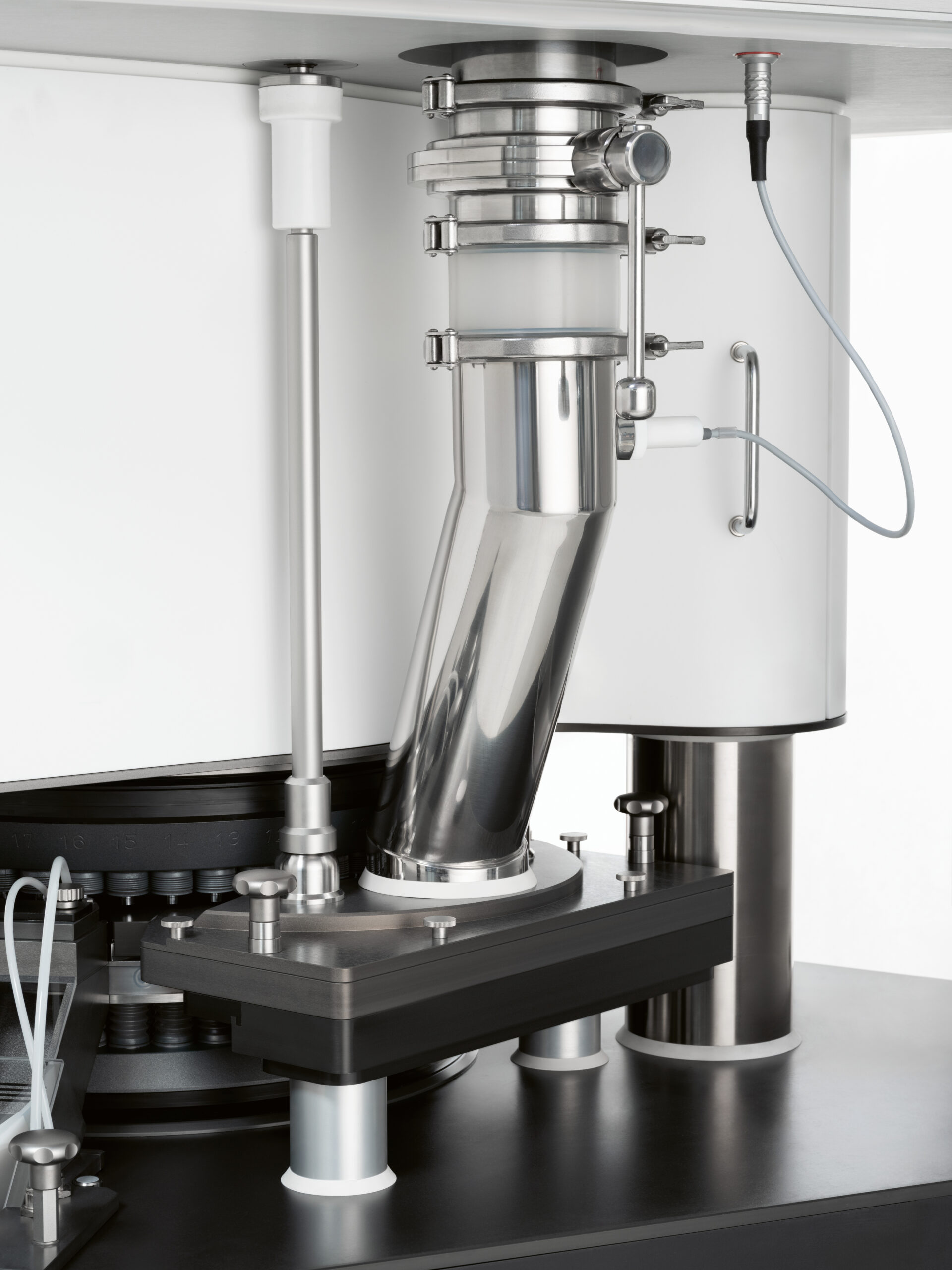
- Patented Dynamicam filling system, ensuring consistent die filling, high precision, and improved product quality even at high speed
- Advanced compaction approach, improving powder densification and process stability
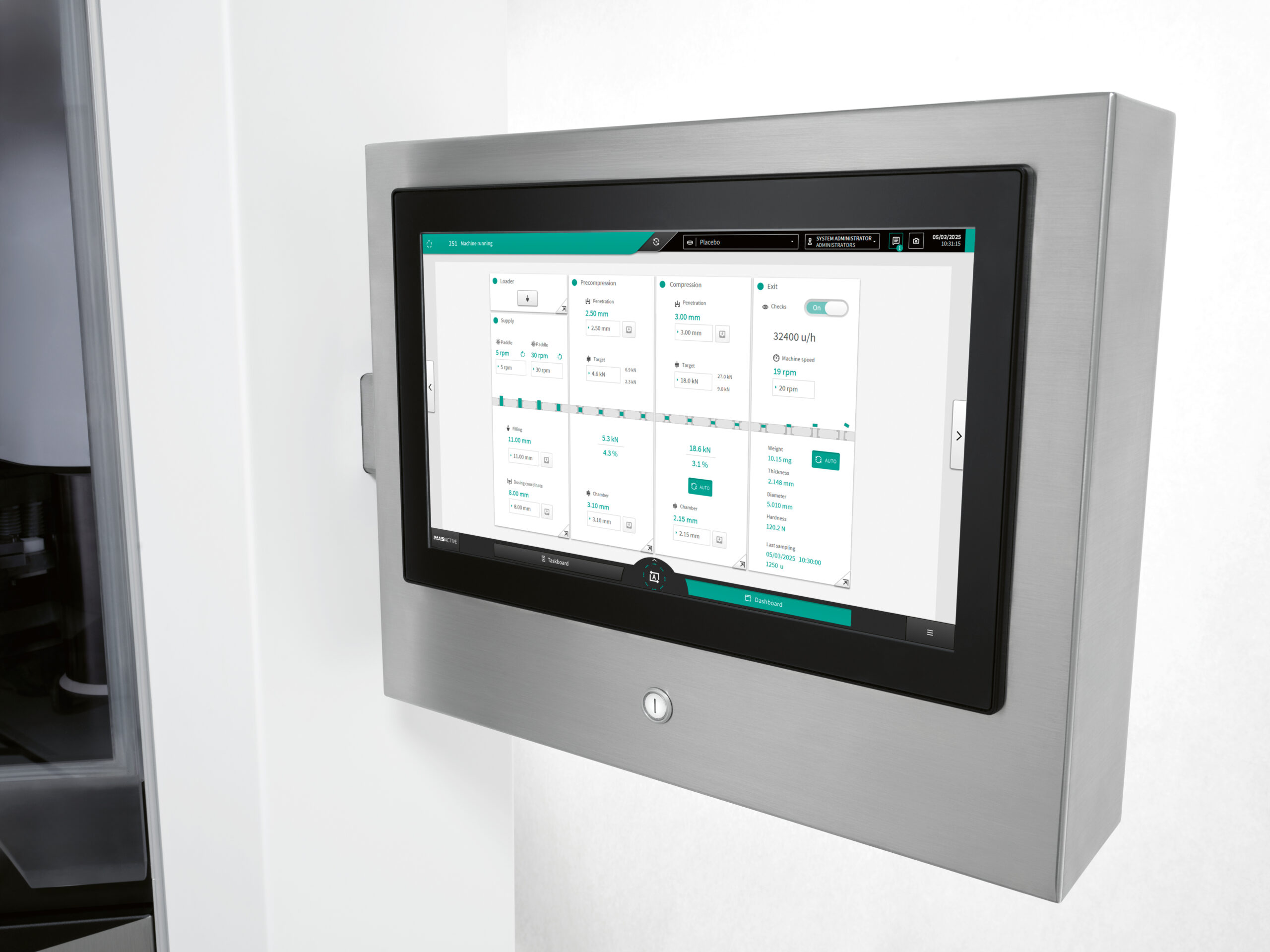
- Integrated Pharma 4.0 architecture, with adaptive automation, real-time monitoring, predictive analytics, and machine learning capabilities
- Fast turret changeover, reducing downtime and enabling rapid product switching
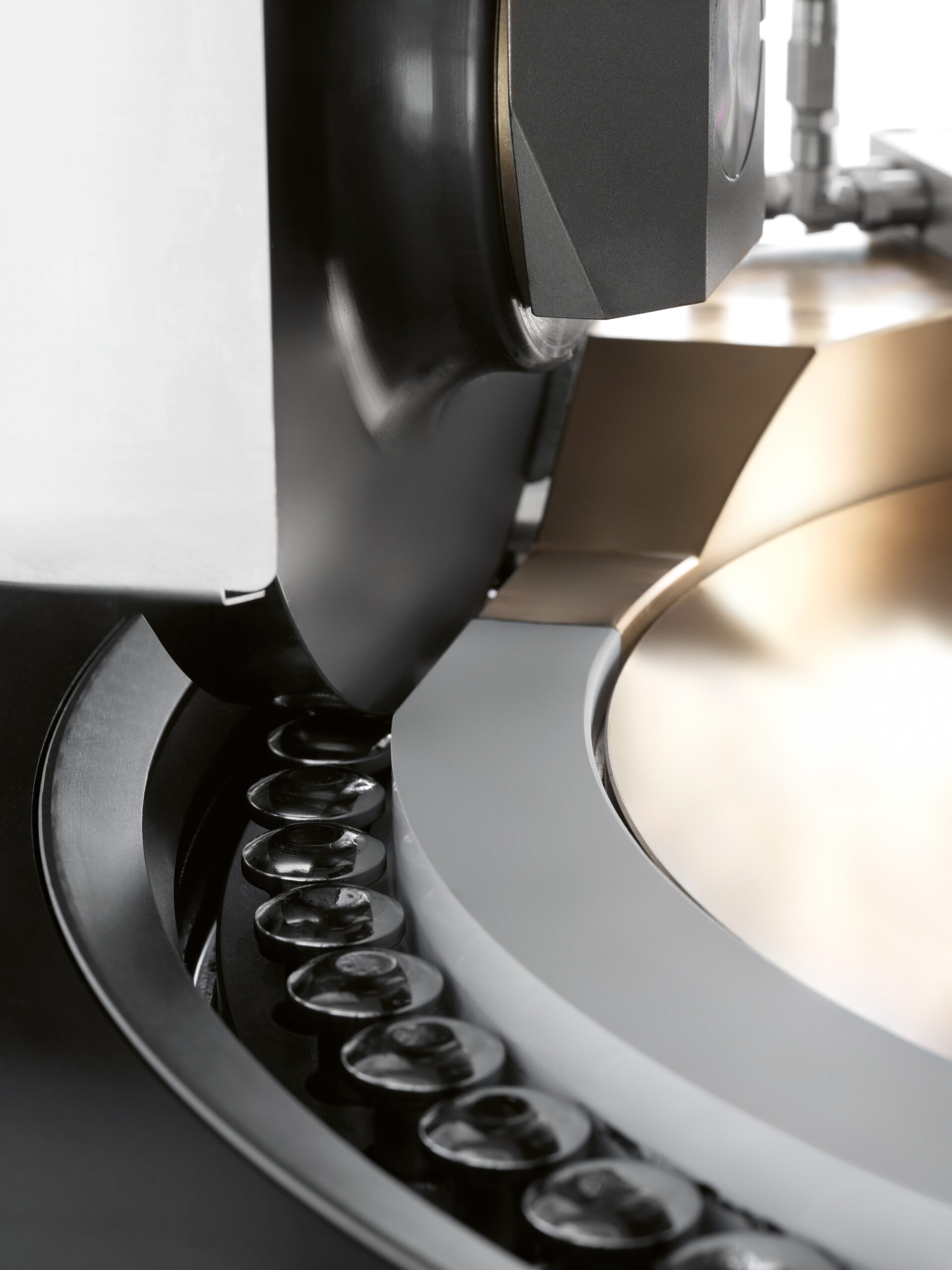
- Preforma, a special compaction cam enhancing powder de-aeration, reducing the risk for lamination and capping
This combination allows manufacturers to achieve greater process robustness, reduced variability, and improved efficiency, while optimising resource consumption and supporting sustainability goals.
A forward-looking solution
According to The Medicine Maker, DOMINA represents a forward-looking solution that responds to some of the most critical challenges in pharmaceutical manufacturing today: from process complexity and regulatory pressure to the need for more agile and resilient production systems.
By enabling better control over powder behaviour throughout the compression cycle and leveraging digital technologies to optimise performance in real time, DOMINA supports a more reliable, efficient, and future-ready manufacturing approach.
Impact on pharma manufacturing and patients
The benefits extend beyond production performance.
DOMINA enables manufacturers to:
- Reduce downtime
- Improve product consistency
- Accelerate time-to-market
Ultimately, it contributes to better availability of medicines and more reliable therapies for patients worldwide.
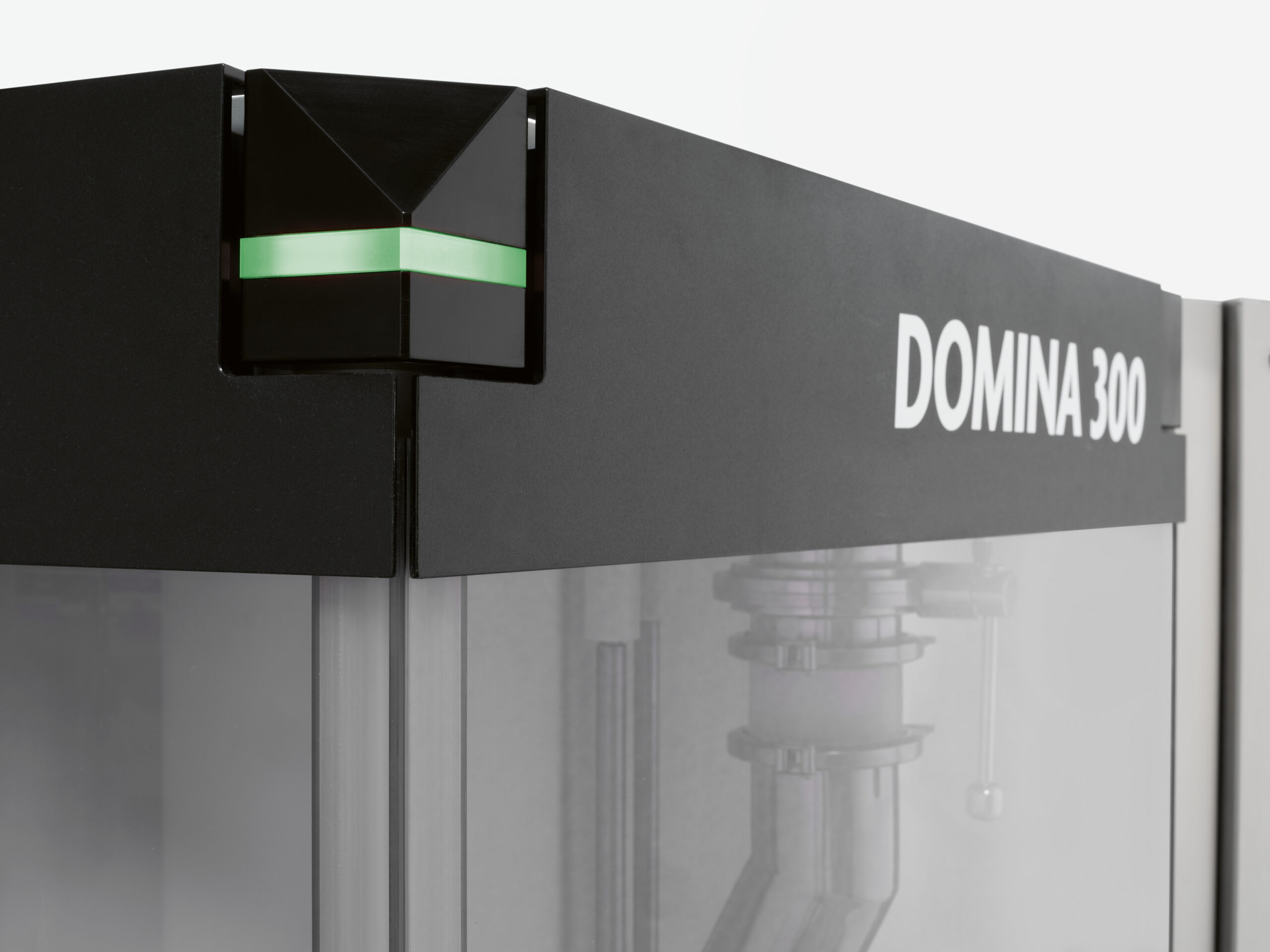
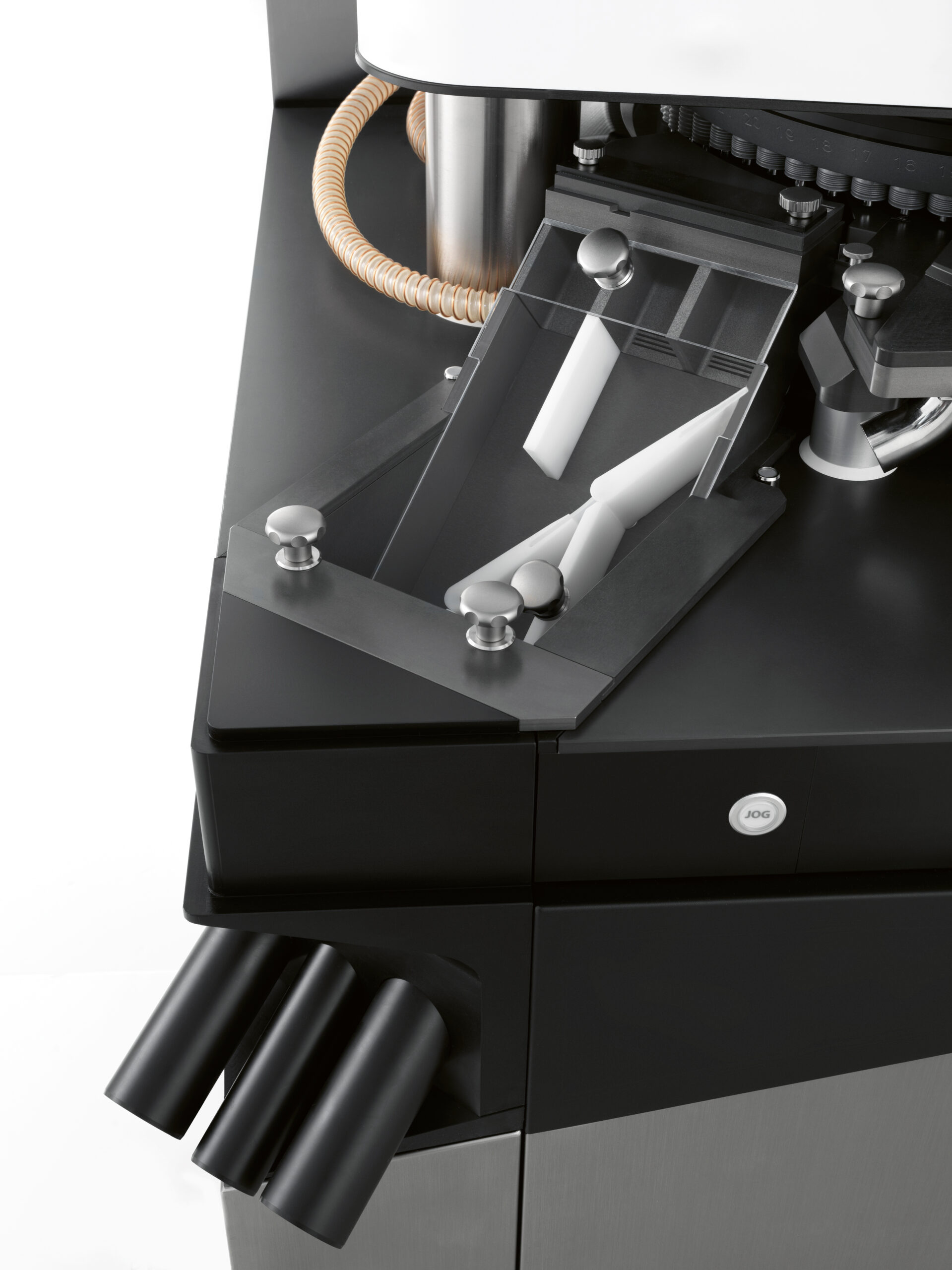
To learn more about the thinking behind DOMINA, the technical challenges involved in its development, and how digitalization is shaping the future of tablet production, read the interview with Luca Cavazzini, Sales & Marketing Director at IMA Active.
What big challenges do pharmaceutical manufacturers face in oral solid dose production today?
Today, pharmaceutical manufacturers are navigating a convergence of challenges that go beyond pure production performance. Sustainability is becoming a strategic priority, requiring energy-efficient technologies, reduced waste, and more responsible use of resources. At the same time, regulatory expectations around data integrity and compliance are increasing, while supply chain volatility pushes companies to seek more flexible and resilient production models. Another critical aspect is the growing complexity of processes, combined with the need to reduce time-to-market. This calls for technologies that are not only highly efficient, but also adaptable, easy to operate, and capable of integrating seamlessly into digital ecosystems.
How did the idea for DOMINA first come about?
DOMINA was born from a simple but fundamental question: how can we rethink tablet compression to better respond to a fast-changing industry?
We realized that traditional machine concepts were reaching their limits in terms of flexibility and scalability. The idea was to create not just a new tablet press, but a platform – a modular system where functional blocks could be reconfigured according to production needs.
This vision led to a “new technological language” in tableting, combining mechanical excellence with digital intelligence, and enabling manufacturers to move from fixed configurations to adaptable production systems.
How did you overcome the main technical challenges in developing the platform?
The main challenge was ensuring high performance and process stability while introducing new levels of flexibility and automation. Modularity often risks compromising robustness or process stability, so we worked extensively on ensuring that each interchangeable module would maintain the same level of precision and consistency.
At the same time, we focused on critical phases of the tableting process, starting from powder handling and die filling. The development of the Dynamicam system, for instance, enables highly precise and consistent die filling, even at high speeds, improving weight uniformity and overall product quality.
On the compression side, we focused on better control of how the powder behaves throughout the compaction cycle. The introduction of an additional compaction step with the Preforma compaction cam allows for a more gradual densification of the powder bed, improving air removal and stress distribution before main compression.
Finally, we integrated advanced control systems and automation to ensure that these performances can be maintained consistently over time, reducing variability and supporting more stable, reliable processes.
Was there a big breakthrough or “eureka” moment during development?
Rather than a single breakthrough, development was driven by a deeper understanding of the compression process itself.
A key step forward was the ability to better control how the powder behaves throughout the different phases of compaction, rather than only focusing on the final compression force. This shift enabled us to rethink how stress, density, and air removal are managed across the entire cycle.
What makes DOMINA a deserved Innovation Awards winner?
DOMINA stands out because it doesn’t simply improve performance, it redefines how performance is achieved, addressing some of the most critical and persistent challenges in tablet manufacturing at process level.
Its modular architecture, combined with adaptive automation and machine learning capabilities, allows manufacturers to optimize processes in real time, reduce waste, and improve energy efficiency.
At the same time, it addresses key industry needs such as flexibility, scalability, and sustainability, making it a forward-looking solution rather than an incremental upgrade. That combination of vision and tangible impact is what makes it a deserving Innovation Awards winner.
How could this innovation affect pharmaceutical manufacturing and, ultimately, patients?
For manufacturers, DOMINA enables more efficient, flexible, and reliable production, reducing downtime, optimising resource usage, and accelerating time-to-market.
Ultimately, this translates into better availability of medicines, more consistent product quality, and potentially lower production costs. For patients, innovation at the manufacturing level means faster access to therapies and improved reliability of the treatments they rely on every day.
What role does digitalization play in the future of tablet production?
Digitalization is a key enabler of the future of tablet production. Technologies such as real-time monitoring, predictive analytics, and advanced algorithms allow machines to continuously adapt and optimize their performance.
This leads to more stable processes, reduced waste, and better decision-making based on data. At the same time, digital tools improve usability through guided interfaces and diagnostics, helping operators manage complexity more effectively.
The challenge moving forward will be ensuring data integration, regulatory compliance, and the development of the right skills to fully leverage these technologies.
What interest have you seen from the pharma industry so far?
The response from the industry has been very strong, particularly from manufacturers working with complex or sensitive formulations.
There is growing interest in technologies that can improve process robustness and reduce variability, especially under high-speed production conditions. In this sense, solutions that enhance powder handling and compaction control are seen as key enablers to achieve consistent quality.
More broadly, companies are looking for reliable ways to increase efficiency without compromising product integrity, and this is where DOMINA is generating strong attention.
How important is innovation in oral solid dose manufacturing? And what would you like to see in the pipeline in the future?
Innovation is essential, it is not just about improving efficiency, but about ensuring that manufacturing can keep pace with the evolving needs of healthcare.
Looking ahead, we expect to see further developments in continuous manufacturing, deeper integration of AI and digital twins, and even more flexible and sustainable production models.
At the same time, innovation should remain focused on usability and accessibility, ensuring that advanced technologies can be effectively adopted by people. The real goal is to create a balance between technological sophistication and human-centered design.