CIP-SIP Aseptic Processing
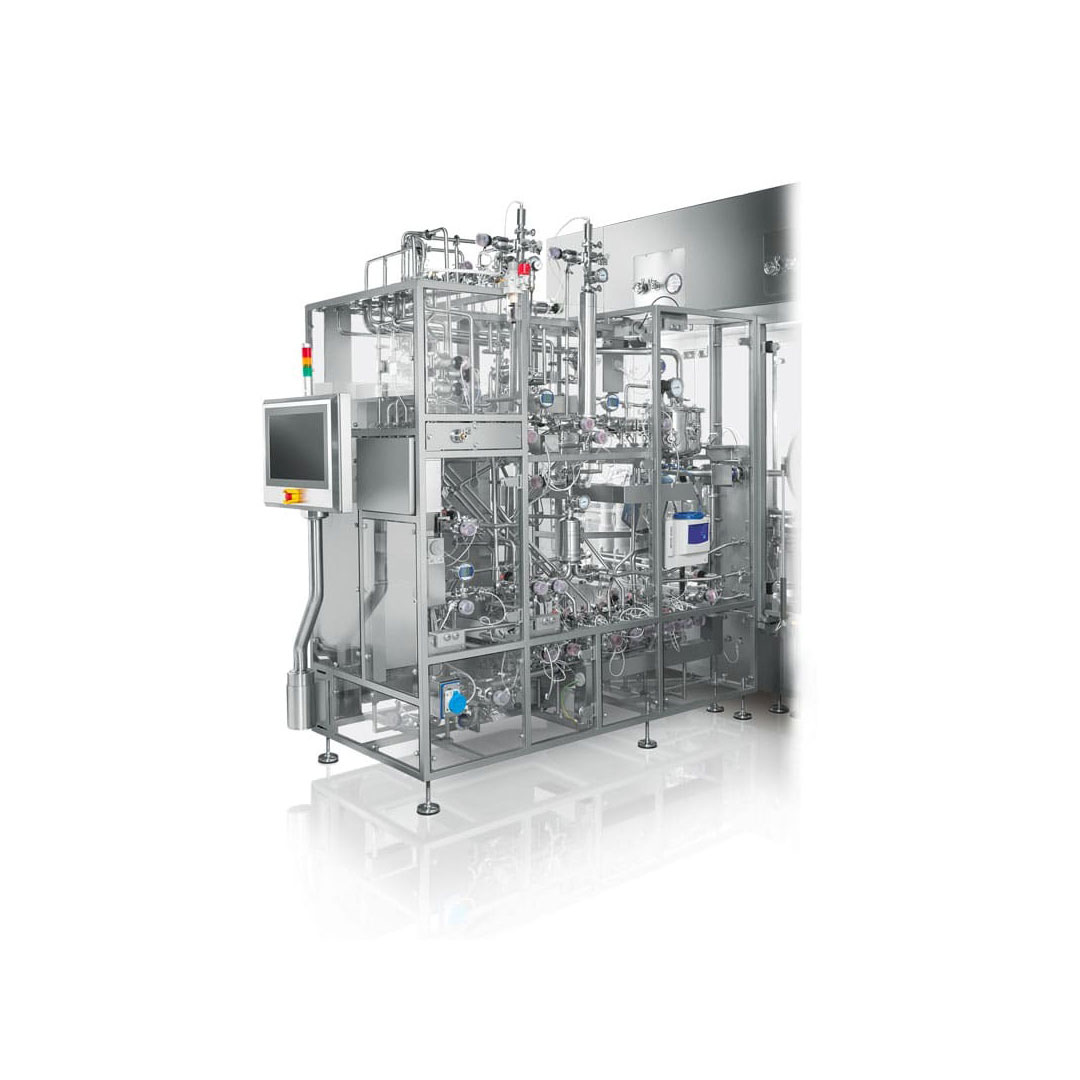
Machine overview
Clean. Sterile. Ready.
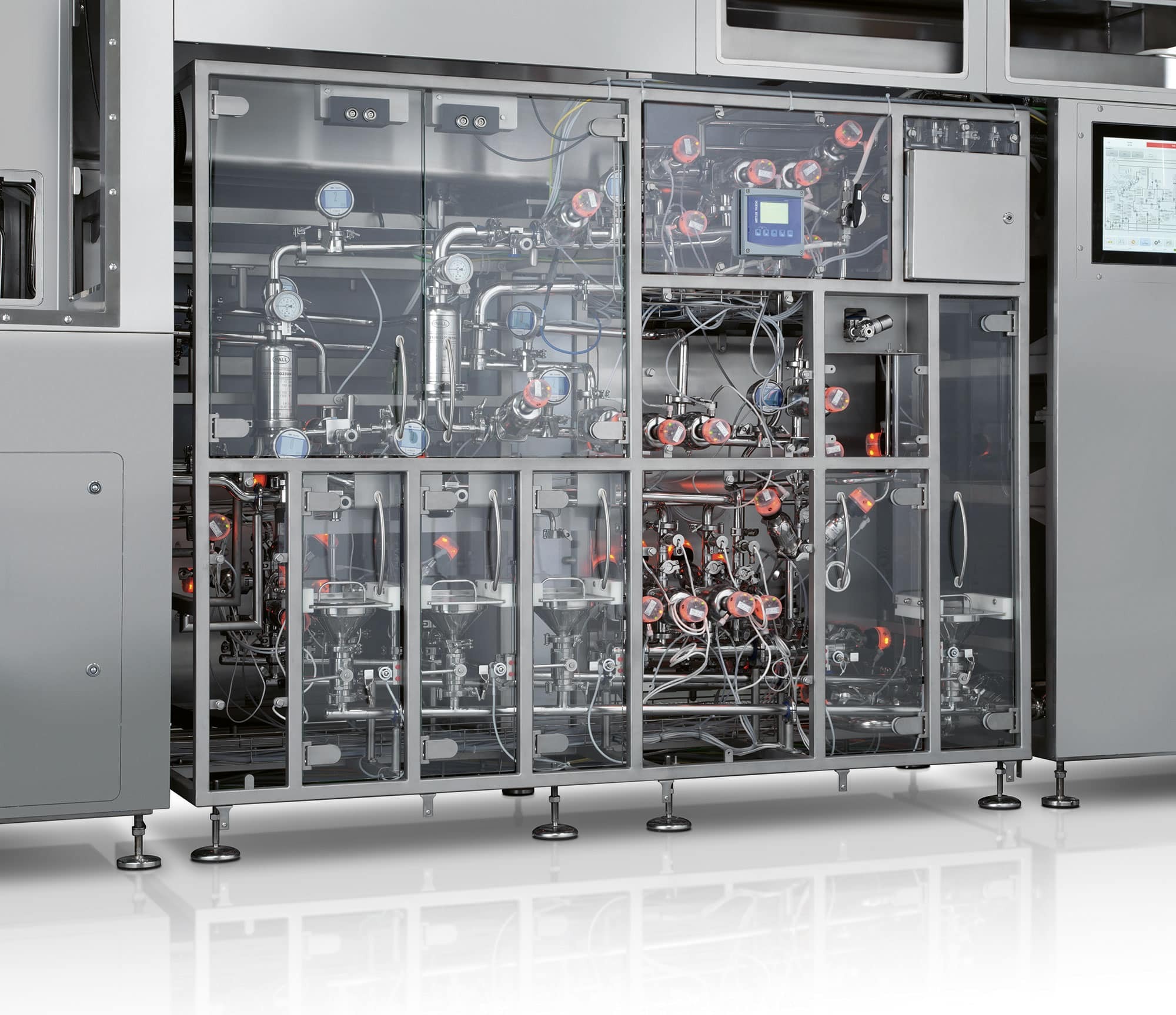
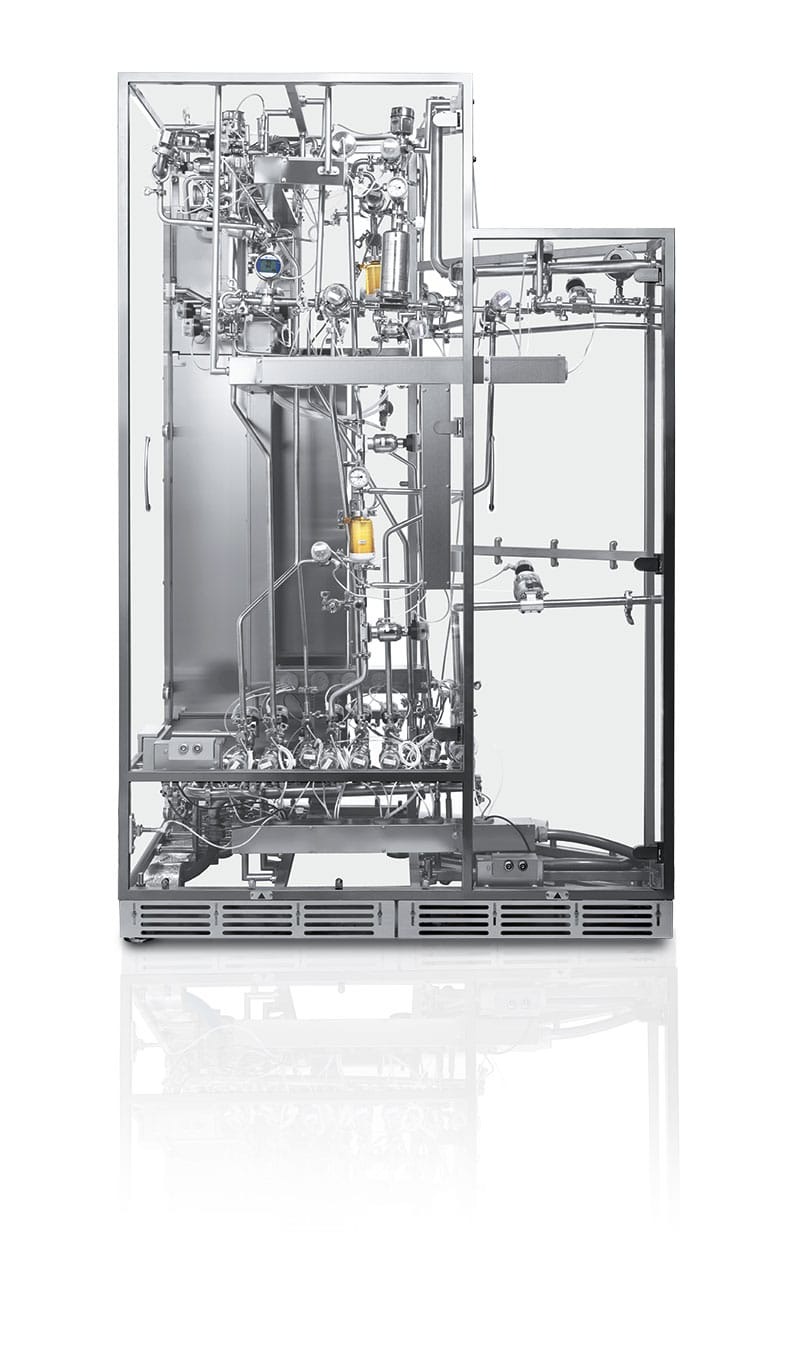
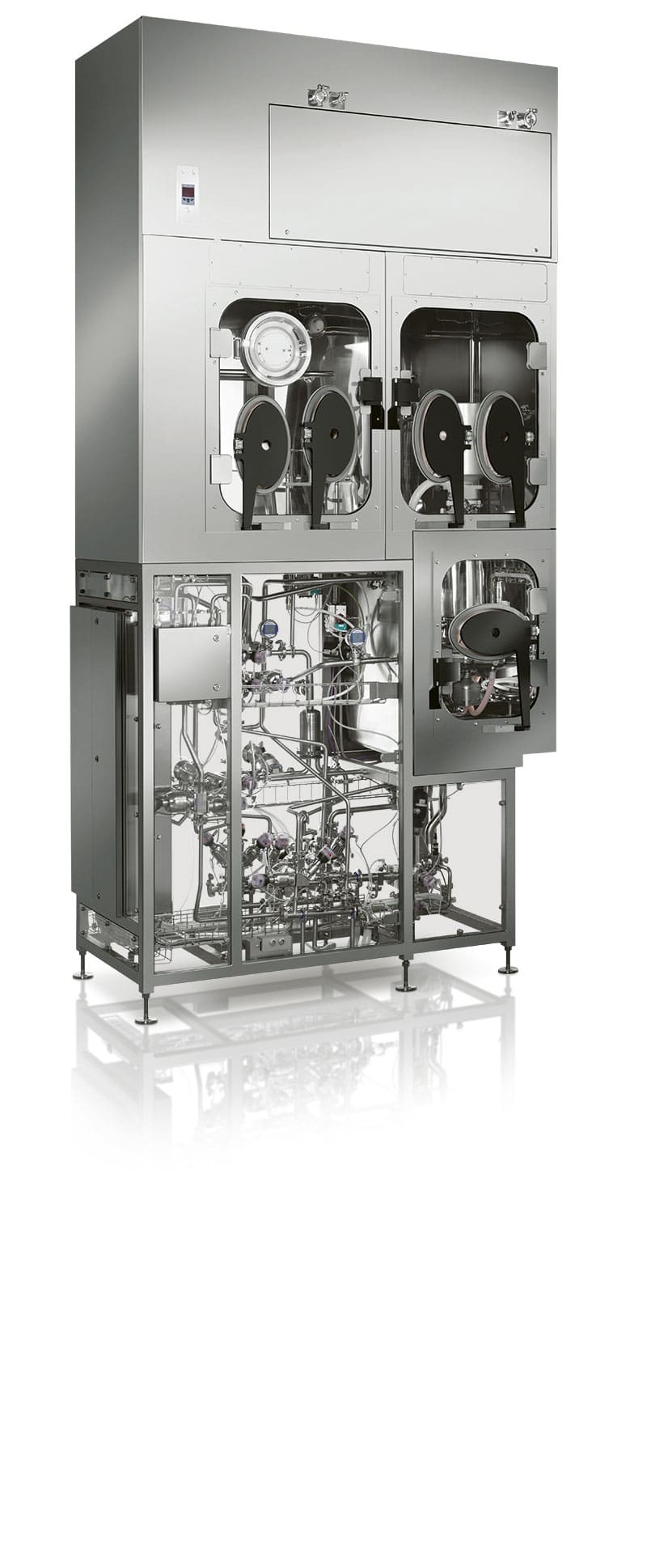
CIP is an automated cleaning process that removes product residues from the internal surfaces of equipment (i.e. product contact parts) through a controlled sequence of rinsing, washing with detergent, and final rinsing. Different types of detergent solutions can be selected according to product characteristics to optimise cleaning.
SIP is an automated sterilisation process that uses saturated steam to eliminate viable microorganisms after cleaning, at temperatures above 121°C. The CIP-SIP unit can be integrated into both liquid and powder filling lines.
Production plant
IMA Life
Machine highlights
-
Regulatory compliance
Compliance with ASME BPE for piping and fittings; compliance with FDA regulations, USP Class VI, and ADIF standards for plastic components.
-
Material certification
3.1 material certificate according to EN 10204 for stainless steel parts and welding documentation (WPS, WPQR,QW, etc.).
-
Filter integrity
Redundant filtration and in-line pre-use post-sterilisation integrity testing (PUPSIT) and post-use integrity testing of sterile filters.
-
Instrument integration
Different level of integration for Filter Integrity instrument.
-
WFI monitoring
Verification of proper circuit cleanliness through WFI monitoring system integration (i.e. TOC and conductivity).
-
SIP sterilization
F0 method for calculating SIP sterilisation time and guarantee of sterility maintenance after SIP through dedicated sequence.
-
SIP monitoring
Redundancy in its control and monitoring instrumentation of critical parameters during SIP cycle.
-
Process validation
Process validation through Riboflavin test (CIP) and temperature mapping test (SIP).
Dosing systems
CIP-SIP skids are generally integrated with dosing systems using volumetric pumps or time-pressure technology. Dosing systems with peristaltic pumps are typically required in combination with Single Use Systems (SUS). Combined solutions can also be offered (SU dosing circuits with CIP-SIP units).